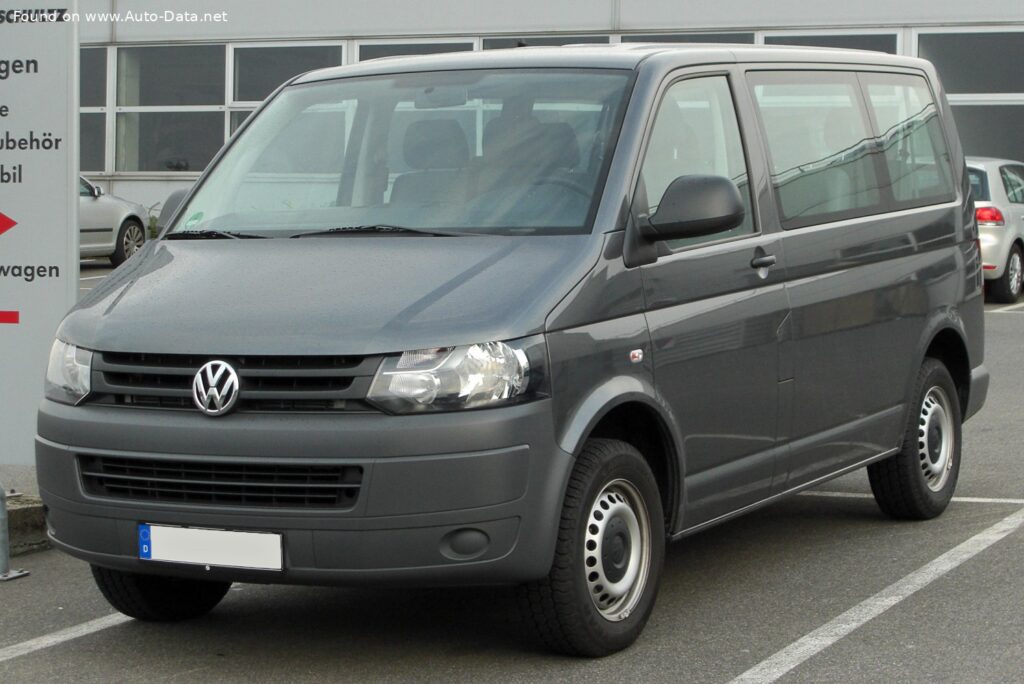
The Volkswagen Transporter (T5) facelift, introduced in 2009, represented a significant update to the popular fifth-generation Transporter range. The “Kombi” designation denoted a passenger-carrying variant, bridging the gap between a pure cargo van and a full-fledged multi-purpose vehicle (MPV). Production of the 2.0 TSI (204 Hp) L2H2 Kombi ran from 2011 to 2015. This specific configuration, combining a turbocharged gasoline engine with a long wheelbase (L2) and high roof (H2), aimed to provide a balance of performance, space, and practicality for both commercial and family use. It sat within the T5 range as a higher-performance option, appealing to those needing more power than the base diesel engines offered, but potentially seeking a more refined driving experience than the more utilitarian diesel-powered vans.
The 2.0 TSI L2H2 Kombi: Positioning and Overview
The 2.0 TSI L2H2 Kombi occupied a unique position in the T5 lineup. While the majority of Transporter sales were diesel-powered, Volkswagen offered the TSI gasoline engine as an alternative, particularly in markets where gasoline fuel was more readily available or preferred. The “L2” designation indicated a long wheelbase, providing increased cargo or passenger space compared to the standard wheelbase (L1) models. The “H2” signified a high roof, offering ample headroom and the ability to comfortably stand within the vehicle. This combination made the 2.0 TSI L2H2 Kombi suitable for a variety of applications, including family transport, shuttle services, and specialized commercial uses where a more powerful and refined engine was desired.
Powertrain & Engine Architecture
At the heart of the 2.0 TSI L2H2 Kombi lies the EA888 engine, specifically the CJKA variant. This is a 1.984-liter (121.07 cubic inches) inline-four cylinder engine utilizing direct fuel injection and a turbocharger with an intercooler. The engine produces 204 horsepower at 4200-6000 rpm and 350 Nm (258.15 lb-ft) of torque between 1500-4000 rpm. The high specific output of 102.8 hp per liter highlights the effectiveness of the turbocharging and direct injection technologies. The EA888 engine family is known for its robust construction and relatively straightforward maintenance, although the turbocharger does add a layer of complexity compared to naturally aspirated engines.
The engine features a double overhead camshaft (DOHC) valvetrain with four valves per cylinder, optimizing gas flow for improved performance. The compression ratio is 9.8:1. The engine oil capacity is 5.7 liters (6.02 US quarts / 5.02 UK quarts), and the recommended oil specification should be consulted in the vehicle’s owner’s manual. Coolant capacity is 11 liters (11.62 US quarts / 9.68 UK quarts). The engine is transversely mounted in the front of the vehicle.
The 2.0 TSI was paired with a 6-speed manual transmission. While an automatic transmission was available on some T5 models, it was not typically offered with the 204 hp TSI engine in the Kombi configuration. This manual gearbox contributes to a more engaging driving experience and allows for greater control over the engine’s power.
Fuel Injection and Turbocharging
The direct injection system precisely meters fuel directly into the combustion chamber, improving combustion efficiency and reducing emissions. The turbocharger forces more air into the engine, increasing power output. The intercooler cools the compressed air from the turbocharger, further enhancing performance and preventing engine knock. These technologies work in concert to deliver a responsive and powerful driving experience.
Driving Characteristics
The 2.0 TSI L2H2 Kombi offers a noticeably more spirited driving experience compared to the diesel-powered Transporters. The 204 hp engine provides ample power for both urban driving and highway cruising. Acceleration from 0-100 km/h (0-62 mph) takes approximately 8.8 seconds, and 0-60 mph is achieved in around 8.4 seconds. The readily available torque makes overtaking maneuvers effortless. The 6-speed manual transmission allows drivers to fully utilize the engine’s powerband, providing precise gear changes and a connected feel. However, the increased weight of the L2H2 configuration, combined with the gasoline engine, results in slightly lower fuel economy compared to the diesel equivalents.
The longer wheelbase contributes to a more stable ride, particularly at higher speeds. The high roof provides ample headroom for passengers, enhancing comfort on long journeys. The manual transmission requires more driver involvement than an automatic, but many enthusiasts appreciate the added control and engagement.
Equipment & Trim Levels
The 2.0 TSI L2H2 Kombi typically came equipped with a reasonable level of standard features, reflecting its position as a higher-specification model. Standard equipment often included air conditioning, power windows, central locking, and an audio system. Interior upholstery was typically cloth, although leather options were available. The dashboard layout was functional and ergonomic, with clear instrumentation and easy-to-reach controls. Optional extras included features such as a navigation system, parking sensors, alloy wheels, and upgraded audio systems. The Kombi configuration allowed for flexible seating arrangements, with options for multiple rows of seats and various configurations to accommodate different passenger and cargo needs.
Chassis & Braking
The T5 Transporter utilized an independent McPherson strut front suspension with coil springs and an anti-roll bar. The rear suspension employed an independent coil spring setup with a transverse stabilizer and trailing arms. This suspension configuration provides a good balance of ride comfort and handling. The front brakes consisted of ventilated discs measuring 340×32.5 mm, while the rear brakes were also ventilated discs, measuring 294×22 mm. The braking system was equipped with ABS (Anti-lock Braking System) for enhanced safety. The steering system was a hydraulic power-assisted rack and pinion setup, providing precise and responsive steering feel.
Market Reception & Comparison
The 2.0 TSI L2H2 Kombi received generally positive reviews from automotive critics. The engine was praised for its performance and refinement, offering a more enjoyable driving experience than the diesel alternatives. However, the higher fuel consumption was a common criticism. Compared to the diesel-powered Transporters, the TSI model offered a more responsive and engaging driving experience, but at the cost of fuel efficiency. Compared to the higher-output diesel engines (such as the 180 hp TDI), the TSI offered similar performance but with a different character – more rev-happy and less low-end torque. The TSI was often seen as a good choice for those who prioritized driving pleasure and were willing to accept the higher running costs.
Technical Specifications
| Brand | Volkswagen |
| Model | Transporter |
| Generation | Transporter (T5, facelift 2009) Kombi |
| Type | 2.0 TSI (204 Hp) L2H2 |
| Start of production | 2011 |
| End of production | 2015 |
| Engine | EA888 / CJKA |
| Displacement | 1984 cm3 (121.07 cu. in.) |
| Power | 204 Hp @ 4200-6000 rpm |
| Torque | 350 Nm @ 1500-4000 rpm (258.15 lb.-ft.) |
| Fuel Consumption (Urban) | 12.8 l/100 km (18.4 US mpg, 22.1 UK mpg) |
| Fuel Consumption (Extra Urban) | 7.8 l/100 km (30.2 US mpg, 36.2 UK mpg) |
| Fuel Consumption (Combined) | 9.6 l/100 km (24.5 US mpg, 29.4 UK mpg) |
| CO2 Emissions | 224 g/km |
| Acceleration 0-100 km/h | 8.8 sec |
| Maximum Speed | 194 km/h (120.55 mph) |
| Kerb Weight | 1881 kg (4146.9 lbs.) |
| Max. Weight | 2800-3200 kg (6172.94 – 7054.79 lbs.) |
| Fuel Tank Capacity | 80 l (21.13 US gal, 17.6 UK gal) |
| Transmission | 6-speed Manual |
Legacy
The 2.0 TSI engine, in general, has proven to be a relatively reliable unit when properly maintained. However, like all turbocharged engines, it requires regular oil changes and attention to the cooling system. The EA888 engine is known to be susceptible to carbon buildup on the intake valves, which can affect performance over time. Preventative maintenance, such as walnut blasting to clean the intake valves, can help mitigate this issue. On the used car market, the 2.0 TSI L2H2 Kombi holds its value reasonably well, particularly examples that have been well-maintained and have a full service history. Its combination of performance, space, and practicality continues to appeal to a wide range of buyers, making it a desirable and versatile vehicle.