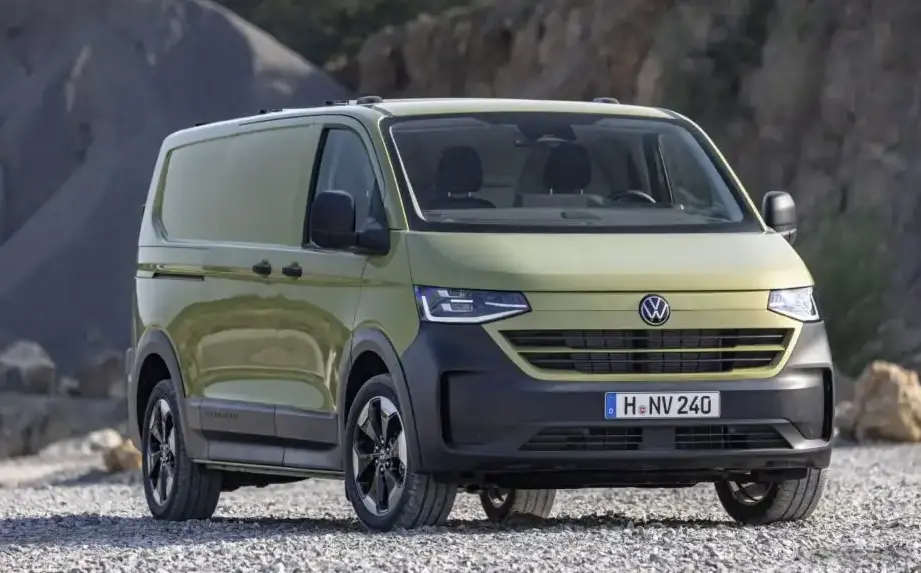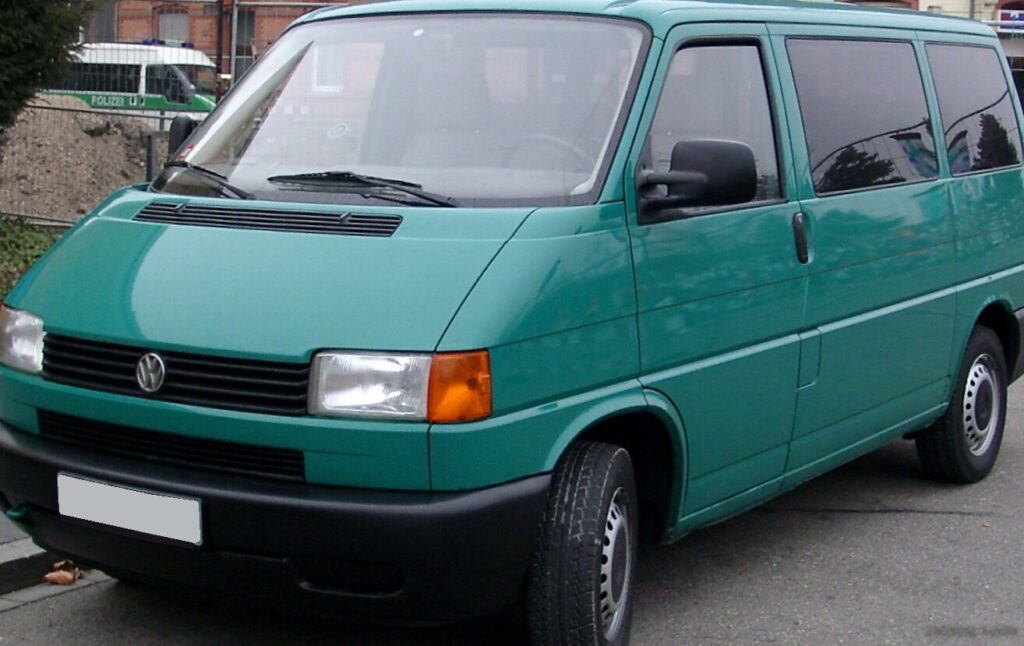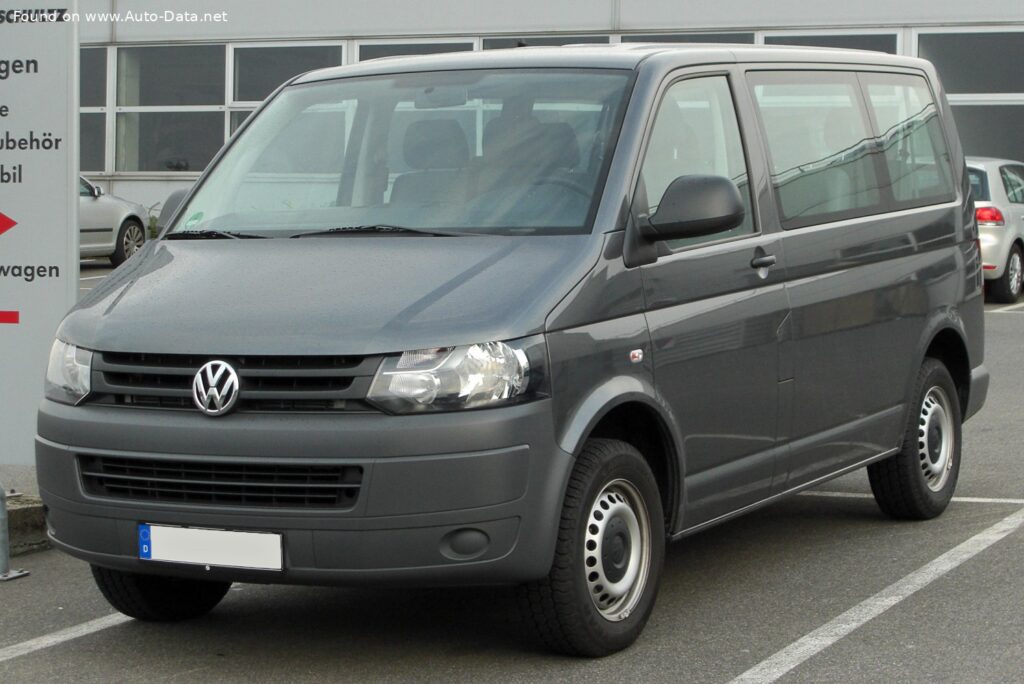
The Volkswagen Transporter (T5) facelift, introduced in 2009, represented a significant update to the fifth generation of Volkswagen’s popular commercial vehicle. The “Kombi” designation denoted a passenger-carrying variant, bridging the gap between a pure cargo van and a full-fledged multi-purpose vehicle (MPV). Production of the 2.0 TSI (204 hp) L2H3 Kombi ran from 2011 to 2015. This specific configuration – the long wheelbase (L2) and high roof (H3) combined with the turbocharged petrol engine – aimed to provide a balance of space, performance, and comfort for both commercial and family use. It occupied a mid-to-upper position within the T5 facelift range, offering a more powerful and refined alternative to the diesel-powered models and the lower-output petrol engines.
The 2.0 TSI L2H3 Kombi: A Detailed Overview
The 2.0 TSI L2H3 Kombi was positioned as a premium offering within the T5 facelift lineup. While diesel engines dominated the Transporter market due to their fuel efficiency, the 2.0 TSI provided a gasoline alternative for those prioritizing performance and a smoother driving experience. The L2H3 body style offered a generous cargo capacity even with passengers seated, making it suitable for businesses requiring both transport and workspace, as well as larger families. Compared to the shorter wheelbase (L1) versions, the L2 provided significantly more rear cargo space. The high roof (H3) allowed for comfortable standing room for most adults, enhancing its versatility.
Powertrain & Engine Architecture
At the heart of the 2.0 TSI L2H3 Kombi lies the EA888 engine, specifically the CJKA variant. This is a 1.984-liter (121.07 cubic inches) inline-four cylinder engine utilizing direct fuel injection and a turbocharger with an intercooler. The engine produces 204 horsepower at 4200-6000 rpm and 350 Nm (258.15 lb-ft) of torque between 1500-4000 rpm. The direct injection system, a key feature of the EA888, allows for precise fuel delivery, improving both performance and fuel economy. The engine features a double overhead camshaft (DOHC) valvetrain with four valves per cylinder, optimizing gas flow and contributing to its power output. The compression ratio is 9.8:1. Engine oil capacity is 5.7 liters (6.02 US quarts / 5.02 UK quarts), and the recommended oil specification is crucial for maintaining engine health.
The 2.0 TSI engine was paired with a 6-speed manual transmission as standard. While an automatic transmission was available in some T5 configurations, it was not commonly offered with the 204 hp TSI engine in the Kombi variant. This manual gearbox was chosen to handle the higher torque output of the TSI engine and provide a more engaging driving experience. The transmission’s gear ratios were tuned to balance acceleration and fuel efficiency, with a relatively long sixth gear for highway cruising.
Driving Characteristics
The 2.0 TSI L2H3 Kombi offered a noticeably more spirited driving experience compared to the diesel-powered Transporters. Acceleration from 0-100 km/h (0-62 mph) took approximately 9 seconds, and 0-60 mph was achieved in around 8.6 seconds. While not a sports van, the 204 hp output and 350 Nm of torque provided ample power for overtaking and carrying a full load. The turbocharger provided a noticeable boost in power, particularly in the mid-range, making it easy to maintain speed on highways and hills. The manual transmission allowed for precise control over gear selection, enabling drivers to maximize performance or prioritize fuel economy. Compared to the 1.9 TDI or 2.5 TDI engines, the TSI offered a smoother, quieter, and more refined driving experience, albeit at the cost of fuel efficiency.
Equipment & Trim Levels
The 2.0 TSI L2H3 Kombi typically came well-equipped, reflecting its position as a higher-end variant. Standard features often included air conditioning, power windows, power mirrors, a CD/radio system, and ABS brakes. Interior upholstery was typically cloth, although leather options were available. Dashboard configuration was functional and robust, designed for durability and ease of use. Optional extras included features like parking sensors, a navigation system, upgraded audio systems, alloy wheels, and various comfort and convenience packages. The Kombi configuration allowed for flexible seating arrangements, with options for multiple rows of seats and varying configurations to accommodate different passenger and cargo needs.
Chassis & Braking
The T5 facelift Kombi utilized an independent suspension system on both the front and rear axles. The front suspension employed McPherson struts with coil springs and an anti-roll bar, while the rear suspension featured a trailing arm setup with coil springs and a transverse stabilizer. This suspension configuration provided a good balance of ride comfort and handling. Braking duties were handled by ventilated discs on all four wheels, measuring 340×32.5 mm at the front and 294×22 mm at the rear. ABS (Anti-lock Braking System) was standard, enhancing braking performance and safety. The steering system was a hydraulic rack and pinion setup, providing precise and responsive steering feel.
Market Reception & Comparison
The 2.0 TSI L2H3 Kombi received generally positive reviews from automotive critics. It was praised for its strong performance, refined engine, and spacious interior. However, its fuel consumption was often cited as a drawback compared to the diesel alternatives. The combined fuel economy of 10 l/100 km (23.5 US mpg / 28.2 UK mpg) was significantly higher than that of the diesel models. In terms of reliability, the EA888 engine proved to be generally robust, although regular maintenance was essential. Compared to the 1.9 TDI, the TSI offered more power and a smoother driving experience, but at a higher purchase price and running costs. Compared to the 2.5 TDI, the TSI provided comparable performance with improved refinement and fuel injection technology.
Technical Specifications
| Brand | Volkswagen |
| Model | Transporter (T5, facelift 2009) Kombi |
| Type | 2.0 TSI (204 Hp) L2H3 |
| Start of production | 2011 |
| End of production | 2015 |
| Engine Model/Code | EA888 / CJKA |
| Engine displacement | 1984 cm3 (121.07 cu. in.) |
| Number of cylinders | 4 |
| Power | 204 Hp @ 4200-6000 rpm |
| Torque | 350 Nm @ 1500-4000 rpm (258.15 lb.-ft.) |
| Fuel consumption (combined) | 10 l/100 km (23.5 US mpg / 28.2 UK mpg) |
| CO2 emissions | 233 g/km |
| Transmission | 6-speed manual |
| Kerb Weight | 1881 kg (4146.9 lbs.) |
| Max. weight | 2800-3200 kg (6172.94 – 7054.79 lbs.) |
| Fuel tank capacity | 80 l (21.13 US gal / 17.6 UK gal) |
| Length | 5292 mm (208.35 in.) |
| Width | 1904 mm (74.96 in.) |
| Height | 2476 mm (97.48 in.) |
Legacy
The 2.0 TSI engine in the T5 Transporter has proven to be a relatively reliable powertrain when properly maintained. Common issues, such as carbon buildup on the intake valves, can be mitigated with regular servicing and the use of quality fuel. On the used car market, the 2.0 TSI L2H3 Kombi commands a slightly higher price than comparable diesel models, reflecting its performance and refinement. However, potential buyers should be aware of the higher fuel consumption and potential maintenance costs associated with the gasoline engine. Overall, the 2.0 TSI L2H3 Kombi remains a desirable option for those seeking a versatile and capable van with a more engaging driving experience than the typical diesel-powered workhorse.