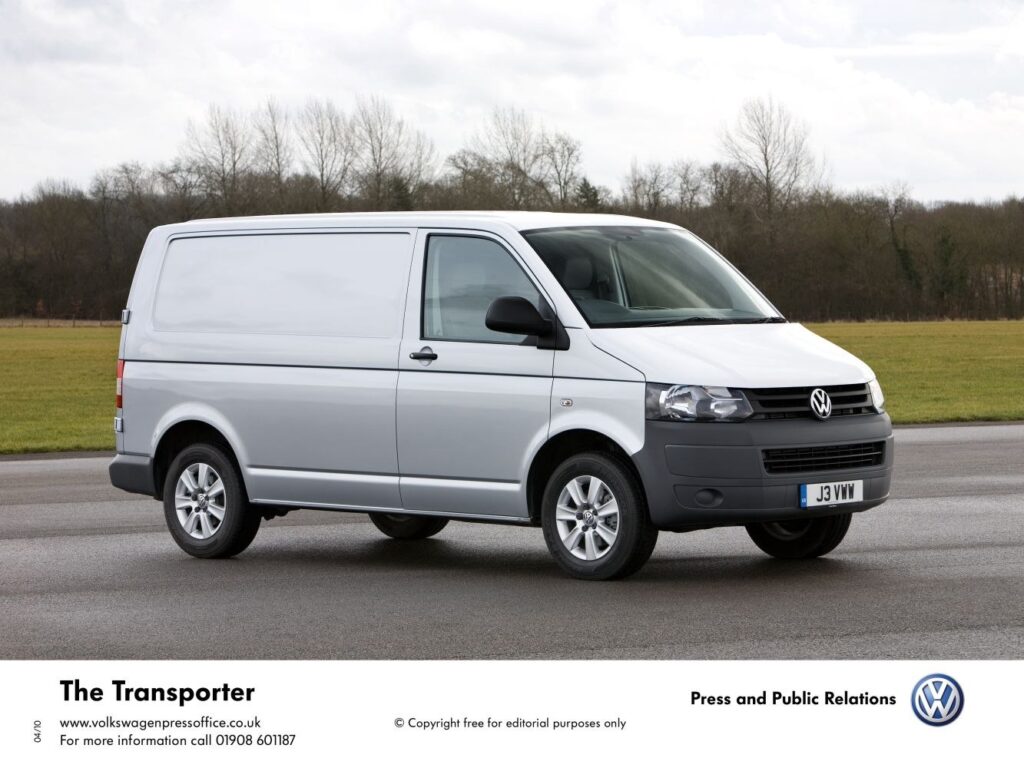
The Volkswagen Transporter (T5) facelift, produced from 2009 to 2015, represented a significant update to the fifth generation of Volkswagen’s popular commercial vehicle. Within the T5 range, the 2.0 TDI variant with 102 horsepower (Hp) and a manual transmission, typically configured as a Panel Van in the L2H2 body style, occupied a crucial position as a workhorse option. This configuration was aimed at businesses and tradespeople prioritizing practicality, fuel efficiency, and affordability over outright performance. The L2H2 designation indicates a long wheelbase and a high roof, maximizing cargo capacity. This model served as a core offering within the T5 lineup, positioned below the more powerful TDI variants and above the base petrol engines.
Powertrain & Engine Architecture
The heart of the 2009-2015 Volkswagen Transporter T5 2.0 TDI (102 Hp) is the EA189 series engine, specifically the CAAB engine code. This is a 1.968-liter (120.09 cubic inches) inline four-cylinder diesel engine. It utilizes a common rail direct fuel injection system, delivering fuel directly into the combustion chamber at extremely high pressure for improved efficiency and reduced emissions. The engine features a turbocharger with an intercooler, which forces more air into the cylinders, boosting power output. The valvetrain employs a dual overhead camshaft (DOHC) design with four valves per cylinder, optimizing gas flow and contributing to the engine’s torque characteristics.
The 2.0 TDI 102 Hp was paired with a five-speed manual transmission. This transmission was chosen for its robustness and cost-effectiveness, aligning with the vehicle’s intended use as a commercial vehicle. The gear ratios were optimized for hauling loads and maintaining reasonable fuel economy, rather than providing sporty acceleration. First gear was relatively low for easy starts with heavy loads, while fifth gear was geared for efficient cruising on highways.
Engine Specifications
The CAAB engine produces 102 Hp at 3500 rpm and 250 Nm (184.39 lb-ft) of torque between 1500-2500 rpm. This torque curve provides ample pulling power at lower engine speeds, making it well-suited for carrying heavy loads. The compression ratio is relatively high at 16.5:1, typical for diesel engines, contributing to their efficiency. The engine also incorporates a diesel particulate filter (DPF) to reduce harmful emissions, meeting Euro 5 emission standards.
Driving Characteristics
The driving experience in the 2.0 TDI 102 Hp Transporter T5 is characterized by practicality and functionality. Acceleration is not its strong suit; 0-100 km/h (0-62 mph) takes approximately 15.4 seconds. However, the engine’s strong low-end torque makes it capable of carrying substantial loads without feeling overly strained. The five-speed manual transmission requires deliberate shifting, and the gear ratios are spaced to prioritize fuel economy and load-carrying ability. Compared to the more powerful TDI variants (like the 140 or 180 Hp models), this version feels noticeably slower, especially when fully loaded or climbing hills. The manual transmission provides more driver control than the optional automatic, and many commercial users preferred it for its reliability and simplicity.
The front-wheel-drive configuration contributes to a relatively comfortable ride, especially when unladen. However, traction can be limited on slippery surfaces when carrying heavy loads. The steering is hydraulic, providing a reasonably direct feel, although it lacks the precision of more modern electric power steering systems.
Equipment & Trim Levels
The 2.0 TDI 102 Hp Transporter T5 Panel Van was typically offered in a basic trim level, reflecting its focus on functionality and affordability. Standard equipment generally included a driver’s airbag, anti-lock braking system (ABS), power steering, and a basic audio system. The interior was typically finished with durable, hard-wearing plastics and cloth upholstery. The driver’s seat was usually adjustable for height and lumbar support.
Optional extras included air conditioning, electric windows, central locking, a passenger airbag, and upgraded audio systems. Many vehicles were also equipped with additional security features, such as an alarm system and immobilizer. The L2H2 body style provided a generous cargo space of approximately 7800 liters (275.45 cubic feet), making it ideal for transporting large items or converting into a mobile workshop.
Chassis & Braking
The Transporter T5 2.0 TDI 102 Hp utilizes an independent McPherson strut front suspension with a coil spring and anti-roll bar. The rear suspension employs a semi-independent trailing arm setup with coil springs and a transverse stabilizer. This suspension configuration provides a reasonable balance between ride comfort and load-carrying capacity. The front brakes are ventilated discs measuring 308×29.5 mm, while the rear brakes are also ventilated discs measuring 294×22 mm. This braking system is adequate for the vehicle’s weight and performance, but it can feel overwhelmed when carrying very heavy loads or during repeated hard braking.
The vehicle’s kerb weight ranges from 1738 to 2182 kg (3831.63 to 4810.49 lbs), depending on the specific configuration and optional equipment. The maximum permissible weight varies from 2800 to 3200 kg (6172.94 to 7054.79 lbs), allowing for a substantial payload capacity of 1018 to 1062 kg (2244.31 to 2341.31 lbs).
Market Reception & Comparison
The 2.0 TDI 102 Hp Transporter T5 was generally well-received in the commercial vehicle market. Critics praised its fuel efficiency, practicality, and affordability. Fuel economy figures averaged around 7.2-7.5 l/100 km (32.7-31.4 US mpg), making it an economical choice for businesses. However, some reviewers noted its lack of power, particularly when compared to the more expensive TDI variants.
Compared to the 1.9 TDI models, the 2.0 TDI offered a slight improvement in power and refinement. However, the 2.0 TDI was generally considered less reliable than the older 1.9 TDI engine, with some reports of DPF issues and turbocharger failures. The 140 Hp and 180 Hp TDI variants offered significantly better performance but came at a higher price point. The 2.0 TDI 102 Hp represented a good compromise for businesses prioritizing cost-effectiveness and fuel efficiency.
Technical Specifications
| Brand | Volkswagen |
| Model | Transporter (T5, facelift 2009) Panel Van |
| Type | 2.0 TDI (102 Hp) L2H2 |
| Start of production | 2009 |
| End of production | 2015 |
| Engine | 1968 cm3 Inline-4 Diesel Turbo |
| Power | 102 Hp @ 3500 rpm |
| Torque | 250 Nm @ 1500-2500 rpm |
| Fuel Consumption (Combined) | 7.2-7.5 l/100 km |
| CO2 Emissions | 190-198 g/km |
| Transmission | 5-speed Manual |
| Drive | Front Wheel Drive |
| Kerb Weight | 1738-2182 kg |
| Max. Weight | 2800-3200 kg |
| Cargo Volume | 7800 l |
| Fuel Tank Capacity | 80 l |
Legacy
The 2.0 TDI 102 Hp engine, while not known for its exceptional performance or longevity compared to some of its predecessors, remains a common sight on European roads. The T5 Transporter, in general, has proven to be a durable and reliable workhorse. However, the 2.0 TDI engine, particularly the earlier versions, can be prone to DPF issues if not properly maintained. Regular servicing, including DPF regeneration, is crucial for ensuring its long-term reliability. In the used car market, these vans are relatively affordable, making them an attractive option for small businesses and tradespeople. However, potential buyers should be aware of the potential for DPF problems and factor in the cost of maintenance when considering a purchase. The T5 continues to be a popular choice for conversions, with many examples being transformed into camper vans and mobile workshops.