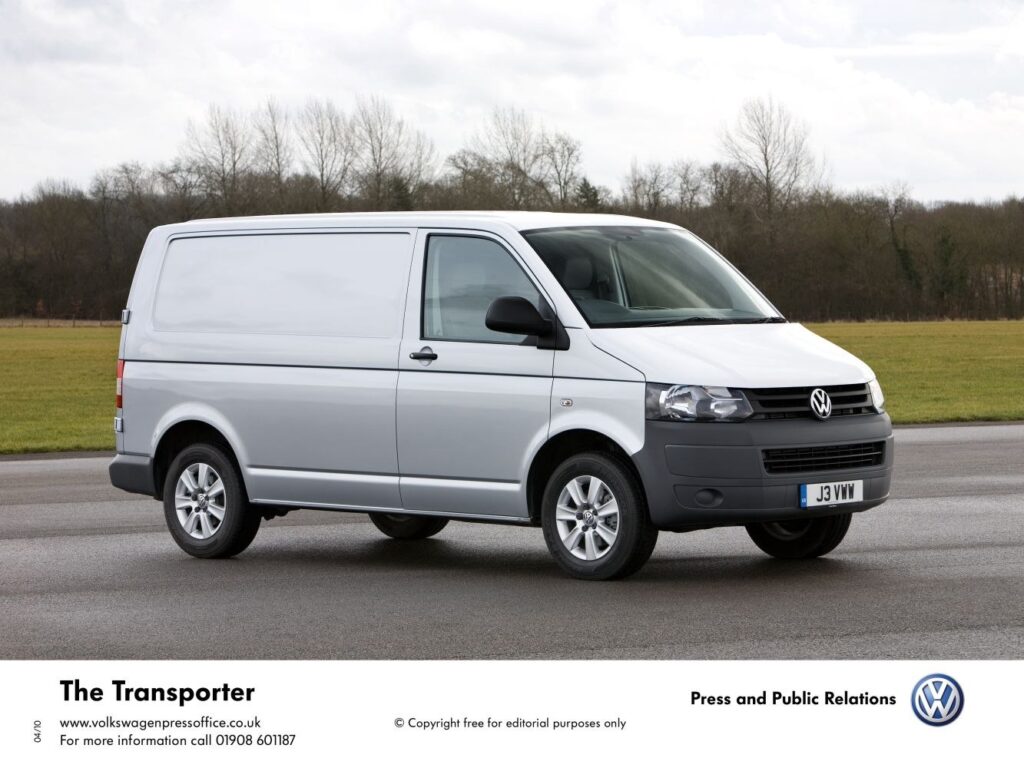
The Volkswagen Transporter (T5) facelift, produced from 2009 to 2015, represented a significant update to the fifth generation of Volkswagen’s popular commercial vehicle. Among the various configurations available, the 2.0 TDI (140 hp) with a Direct-Shift Gearbox (DSG) and L2H2 body style was a common and versatile choice. This variant occupied a middle ground in the T5 lineup, offering a balance between performance, fuel efficiency, and practicality for both commercial and private use. The L2H2 designation indicates a long wheelbase and high roof, maximizing cargo space. This model was particularly popular in Europe, where it served as a workhorse for businesses and a base for camper van conversions.
Powertrain & Engine Architecture
The heart of the T5 2.0 TDI (140 hp) DSG L2H2 is the EA189 series 2.0-liter four-cylinder diesel engine. Specifically, the engine code commonly found in this variant is CAAC. This engine utilizes a common rail direct injection system, delivering fuel directly into the combustion chamber at extremely high pressure. This technology, combined with a turbocharger and intercooler, optimizes combustion for increased power and efficiency. The engine produces 140 horsepower (hp) at 3500 rpm and 340 Newton-meters (250.77 lb-ft) of torque between 1750 and 2500 rpm. The valvetrain employs a Dual Overhead Camshaft (DOHC) design with four valves per cylinder, enhancing volumetric efficiency and contributing to the engine’s overall performance.
The transmission is a 7-speed DSG (Direct-Shift Gearbox). This dual-clutch transmission offers the efficiency of a manual gearbox with the convenience of an automatic. It consists of two separate clutches, one for the odd-numbered gears and one for the even-numbered gears. This allows for incredibly fast and smooth gear changes, improving both acceleration and fuel economy. The DSG unit is electronically controlled, adapting shift points based on driving conditions and driver input.
Engine Details
The EA189 engine family, while robust, is known for potential issues related to the diesel particulate filter (DPF) and, in some cases, timing chain wear. The CAAC variant, however, is generally considered more reliable than earlier iterations of the EA189. The engine features a cast iron block and an aluminum cylinder head. The compression ratio is relatively high at 16.5:1, contributing to the engine’s efficiency. Regular oil changes using a specification-compliant oil are crucial for maintaining the engine’s longevity.
Driving Characteristics
The 140 hp 2.0 TDI with the DSG transmission provides adequate performance for most applications. While not exceptionally quick, it offers sufficient power for highway cruising and carrying a substantial load. Acceleration from 0 to 100 km/h (0-62 mph) takes approximately 12.6 seconds. The DSG transmission contributes to a responsive driving experience, with quick shifts and minimal torque interruption. Compared to the lower-powered 102 hp version of the 2.0 TDI, the 140 hp variant offers a noticeable improvement in acceleration and overall drivability. However, it doesn’t match the performance of the more powerful 180 hp TDI or the gasoline-powered options like the 2.0 TSI.
The gear ratios in the 7-speed DSG are well-spaced, providing a balance between acceleration and fuel efficiency. The transmission is programmed to prioritize fuel economy in normal driving conditions, but can quickly downshift when more power is needed. The front-wheel-drive configuration provides good traction in most conditions, although it can struggle in slippery environments with a heavy load. The L2H2 body style, while offering ample cargo space, does raise the center of gravity, resulting in slightly more body roll during cornering.
Equipment & Trim Levels
The T5 Transporter was available in a variety of trim levels, with the 2.0 TDI (140 hp) DSG L2H2 typically falling into the mid-range. Standard equipment generally included power windows, central locking, an adjustable steering column, and a basic audio system. The interior typically featured durable cloth upholstery. The dashboard layout is functional and straightforward, prioritizing practicality over luxury. Optional extras included air conditioning, a more advanced audio system with navigation, parking sensors, and upgraded seating. Many examples were also equipped with features specific to their intended use, such as shelving, cargo barriers, and specialized lighting for commercial applications.
The L2H2 body style provides a generous cargo volume of 7800 liters (275.45 cubic feet). The high roof allows for standing room inside the cargo area, making it ideal for camper van conversions or transporting tall items. The rear doors typically feature 180-degree opening for easy loading and unloading.
Chassis & Braking
The T5 Transporter utilizes an independent suspension system on both the front and rear axles. The front suspension employs a McPherson strut design with coil springs and an anti-roll bar. The rear suspension features a trailing arm setup with coil springs and a transverse stabilizer bar. This suspension configuration provides a comfortable ride quality, even when the vehicle is loaded. The braking system consists of ventilated discs on all four wheels, providing ample stopping power. The front brakes measure 308×29.5 mm, while the rear brakes are 294×22 mm. Anti-lock Braking System (ABS) is standard, enhancing safety and control during emergency braking.
The steering system is a hydraulic rack and pinion setup, providing precise and responsive steering feel. The vehicle is equipped with 215/65 R16 tires mounted on 6.5J x 16 inch steel or alloy wheels.
Market Reception & Comparison
The Volkswagen Transporter T5 2.0 TDI (140 hp) DSG L2H2 was generally well-received by critics and customers alike. It was praised for its versatility, fuel efficiency, and comfortable driving experience. Fuel economy figures averaged around 7.9-8.2 liters per 100 kilometers (29.8-28.7 US mpg), making it an economical choice for businesses and individuals. Compared to the lower-powered 102 hp TDI, the 140 hp version offered a significant improvement in performance without a substantial increase in fuel consumption. However, the 180 hp TDI provided even more power and a more refined driving experience, albeit at a higher price point. Reliability was generally good, although potential issues with the DPF and timing chain were noted.
Technical Specifications
| Brand | Volkswagen |
| Model | Transporter (T5, facelift 2009) Panel Van |
| Type | 2.0 TDI (140 Hp) DSG L2H2 |
| Start of production | 2009 |
| End of production | 2015 |
| Engine | 2.0-liter Inline-4 Diesel |
| Engine Code | CAAC |
| Power | 140 hp @ 3500 rpm |
| Torque | 340 Nm (250.77 lb-ft) @ 1750-2500 rpm |
| Transmission | 7-speed DSG |
| Fuel Consumption (Combined) | 7.9-8.2 l/100 km (29.8-28.7 US mpg) |
| CO2 Emissions | 208-216 g/km |
| Kerb Weight | 1785-2229 kg (3935.25 – 4914.1 lbs) |
| Max. Weight | 2800-3200 kg (6172.94 – 7054.79 lbs) |
| Cargo Volume | 7800 l (275.45 cu ft) |
| Length | 5292 mm (208.35 in) |
| Width | 1904 mm (74.96 in) |
| Height | 2176 mm (85.67 in) |
Legacy
The Volkswagen Transporter T5 2.0 TDI (140 hp) DSG L2H2 remains a popular choice in the used vehicle market. Its reputation for reliability, versatility, and fuel efficiency has ensured continued demand. While older examples may require maintenance to address potential issues with the DPF or timing chain, the engine is generally durable and capable of high mileage. The DSG transmission, when properly maintained, is also known for its longevity. The L2H2 body style continues to be highly sought after for camper van conversions and commercial applications, making this variant a practical and enduring choice for a wide range of buyers.