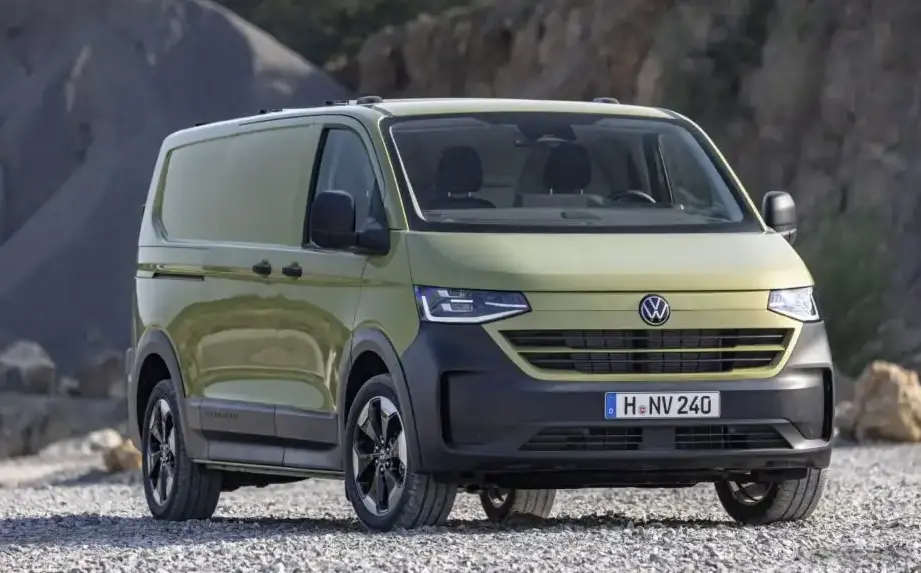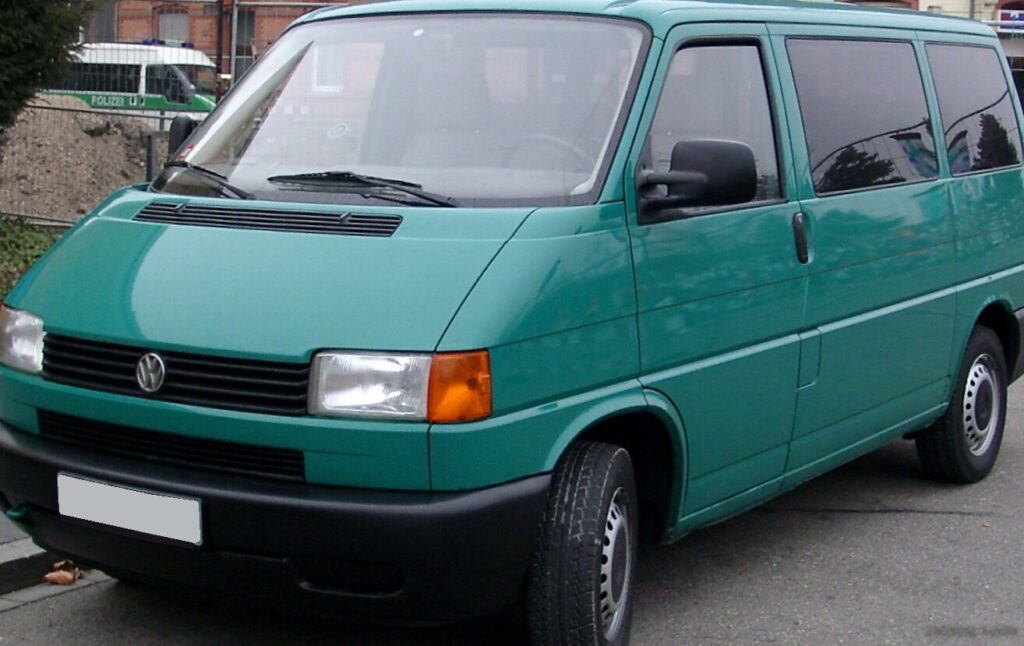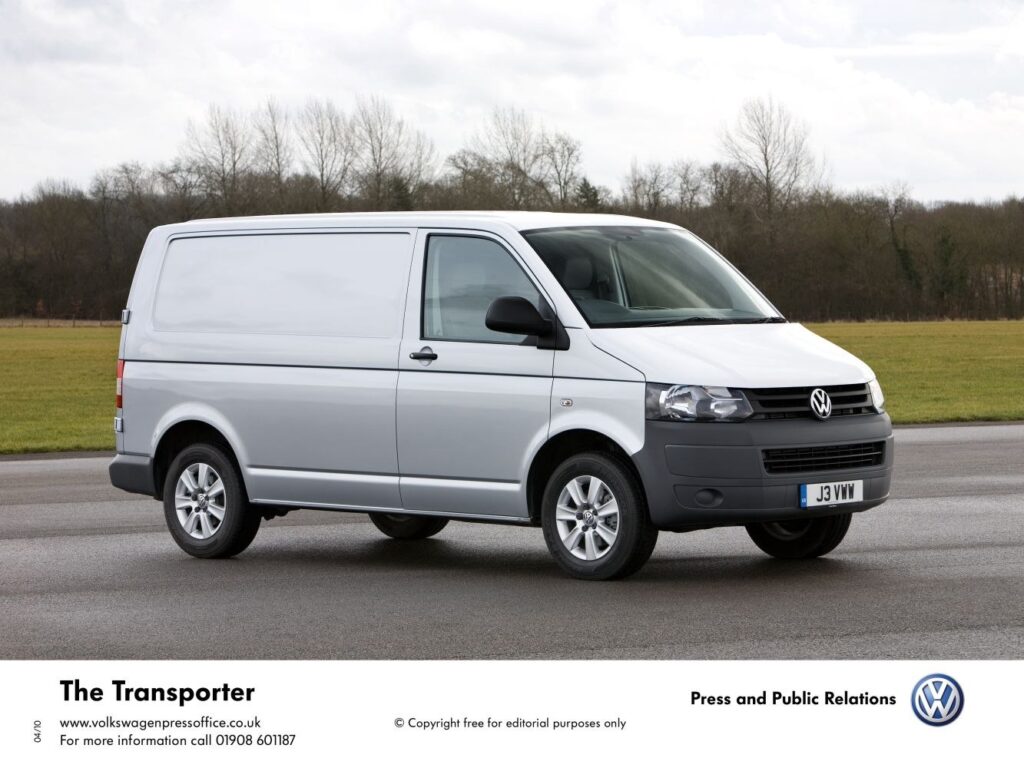
The Volkswagen Transporter (T5) facelift, produced from 2009 to 2015, represented a significant refresh of the fifth-generation Transporter line. Within this generation, the 2.0 TDI Panel Van, specifically the 140 horsepower (Hp) variant with the L2H3 body configuration, occupied a crucial middle ground in the lineup. This version aimed to balance fuel efficiency, practicality, and a reasonable level of performance for commercial and personal use. The T5 facelift brought updated styling, improved interior ergonomics, and advancements in engine technology, making it a popular choice for businesses and individuals alike. The L2H3 designation indicates a long wheelbase (L2) and a high roof (H3), maximizing cargo space.
Powertrain & Engine Architecture
The heart of the Transporter T5 2.0 TDI (140 Hp) L2H3 is the EA189 series 2.0-liter four-cylinder diesel engine, specifically the CAAC engine code. This engine is a turbocharged common rail direct injection diesel. The EA189 family was widely used across the Volkswagen Group during this period. The 2.0 TDI utilizes a transverse engine layout, contributing to a more compact engine bay and improved packaging. Fuel is delivered via a Bosch common rail system operating at approximately 1,600 bar, enabling precise fuel metering and optimized combustion. The engine features a single overhead camshaft (SOHC) design operating four valves per cylinder (DOHC). The turbocharger, coupled with an intercooler, provides increased air density for improved power output. The engine’s displacement is 1,968 cubic centimeters (120.09 cubic inches). Engine oil capacity is 7 liters (7.4 US quarts / 6.16 UK quarts) and requires a specification adhering to Volkswagen standards. A particulate filter was included as standard equipment to reduce emissions, meeting Euro 5 standards.
Transmission Details
The 2.0 TDI (140 Hp) L2H3 was primarily equipped with a six-speed manual transmission. This gearbox was chosen for its durability and efficiency, aligning with the van’s commercial applications. The gear ratios were optimized to provide a balance between acceleration and fuel economy. First gear was relatively short for easy starts with heavy loads, while higher gears were geared for efficient cruising on highways. While a seven-speed DSG (Direct-Shift Gearbox) dual-clutch automatic transmission was available on some T5 models, it was less common on this specific 140 Hp variant, often reserved for higher trim levels or those prioritizing a more refined driving experience.
Driving Characteristics
The 140 Hp 2.0 TDI L2H3 offered a practical and capable driving experience. Acceleration from 0-100 km/h (0-62 mph) took approximately 12.7 seconds, which is typical for a van of this size and weight. The engine produced 340 Nm (250.77 lb-ft) of torque between 1,750 and 2,500 rpm, providing ample pulling power for carrying loads. The turbocharger provided a noticeable boost in power during acceleration, but turbo lag was present at lower engine speeds. Compared to the more powerful 180 Hp TDI variants, the 140 Hp model felt less strained when fully loaded, but lacked the same level of outright performance. The manual transmission allowed for precise control, and the gear ratios were well-suited to both urban and highway driving. The van’s suspension, tuned for comfort and load-carrying capacity, provided a reasonably smooth ride, even when unladen. However, the high center of gravity and van body style meant that cornering was not as sharp as a passenger car.
Equipment & Trim Levels
The Transporter T5 2.0 TDI (140 Hp) L2H3 was typically offered in a relatively basic trim level, focused on functionality and value. Standard equipment generally included power steering, ABS (Anti-lock Braking System), driver and passenger airbags, and a basic audio system. The interior featured durable plastic trim and cloth upholstery. The driver’s seat was typically adjustable for height and lumbar support. The L2H3 body configuration provided a generous cargo volume of 9,300 liters (328.43 cubic feet). Optional extras included air conditioning, a more advanced audio system with Bluetooth connectivity, parking sensors, cruise control, and upgraded interior trim. Some models also offered features like a second battery and auxiliary heating for specialized applications. The dashboard layout was functional and straightforward, prioritizing ease of use.
Chassis & Braking
The T5 Transporter utilized a front-wheel-drive layout, contributing to its fuel efficiency and reduced mechanical complexity. The front suspension consisted of independent McPherson struts with coil springs and an anti-roll bar. The rear suspension employed a semi-independent trailing arm setup with coil springs and a transverse stabilizer bar. This configuration provided a good balance between ride comfort and load-carrying capacity. The braking system featured ventilated discs on all four wheels, with diameters of 308×29.5 mm at the front and 294×22 mm at the rear. Hydraulic power steering provided assisted steering, making maneuvering easier, especially at low speeds. The van rode on 215/65 R16 tires mounted on 6.5J x 16 steel or alloy wheels.
Market Reception & Comparison
The Volkswagen Transporter T5 2.0 TDI (140 Hp) L2H3 was generally well-received by critics and customers alike. It was praised for its practicality, fuel efficiency, and reliability. Fuel economy figures averaged between 7.8 and 8.1 liters per 100 kilometers (30.2-29 US mpg), making it an economical choice for businesses. Compared to the more powerful 180 Hp TDI variant, the 140 Hp model offered a lower purchase price and slightly better fuel economy, but at the expense of performance. The 1.9 TDI models, available in earlier T5 iterations, were known for their robustness but were less refined and offered lower power output. The 2.0 TDI engine addressed these shortcomings with improved performance and reduced noise levels. The T5 Transporter competed with other popular vans in the segment, such as the Mercedes-Benz Vito, Ford Transit, and Renault Trafic.
Technical Specifications
| Brand | Volkswagen |
| Model | Transporter |
| Generation | Transporter (T5, facelift 2009) Panel Van |
| Type | 2.0 TDI (140 Hp) L2H3 |
| Start of production | 2009 |
| End of production | 2015 |
| Engine | 2.0-liter Inline-4 Diesel |
| Engine Code | CAAC |
| Power | 140 Hp @ 3500 rpm |
| Torque | 340 Nm @ 1750-2500 rpm (250.77 lb-ft) |
| Fuel Consumption (Urban) | 9.9-10.2 l/100 km (23.8-23.1 US mpg) |
| Fuel Consumption (Extra Urban) | 6.6-6.9 l/100 km (35.6-34.1 US mpg) |
| Fuel Consumption (Combined) | 7.8-8.1 l/100 km (30.2-29 US mpg) |
| CO2 Emissions | 206-214 g/km |
| Transmission | 6-speed Manual |
| Kerb Weight | 1773-2217 kg (3908.8 – 4887.65 lbs) |
| Max. Weight | 2800-3200 kg (6172.94 – 7054.79 lbs) |
| Cargo Volume | 9300 liters (328.43 cu ft) |
| Fuel Tank Capacity | 80 liters (21.13 US gal) |
| Length | 5292 mm (208.35 in) |
| Width | 1904 mm (74.96 in) |
| Height | 2476 mm (97.48 in) |
Legacy
The Volkswagen Transporter T5 2.0 TDI (140 Hp) L2H3 remains a popular choice in the used van market. The EA189 engine, while subject to some emissions-related recalls in the past, is generally considered reliable when properly maintained. Common issues include turbocharger wear, injector problems, and potential issues with the dual-mass flywheel. However, these issues are often manageable with regular servicing and preventative maintenance. The T5’s robust build quality and practical design have ensured its longevity, and many examples are still in active use today. Its balance of fuel efficiency, cargo capacity, and reasonable running costs continues to make it an attractive option for businesses and individuals seeking a versatile and dependable van.