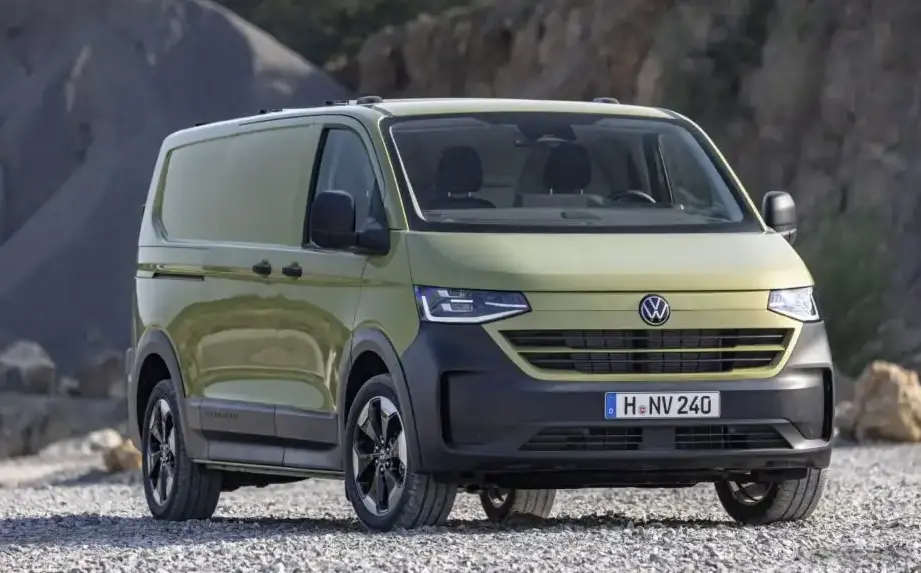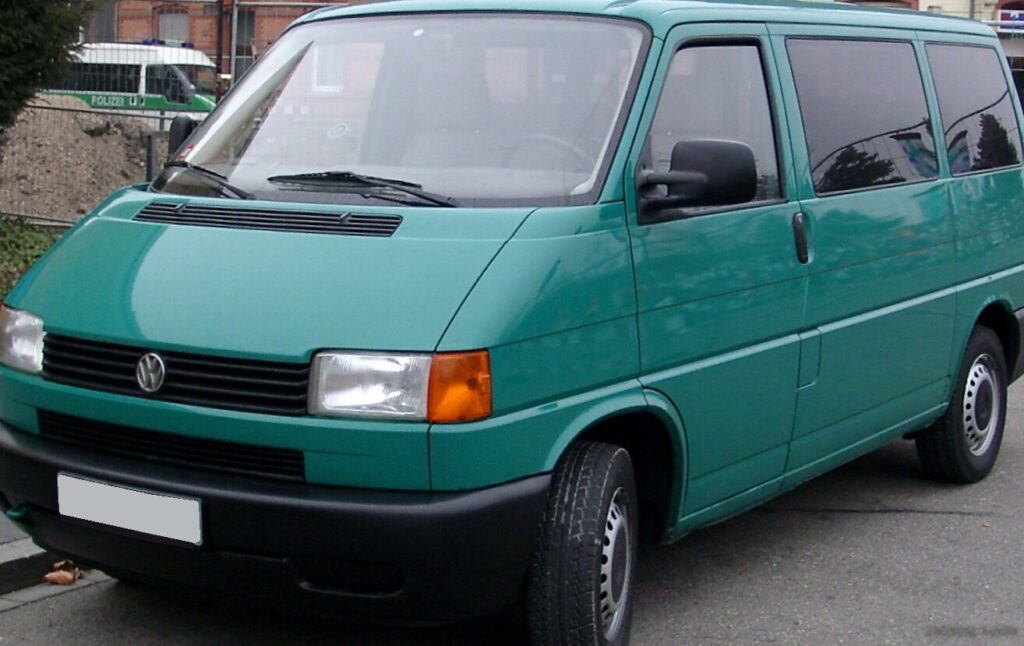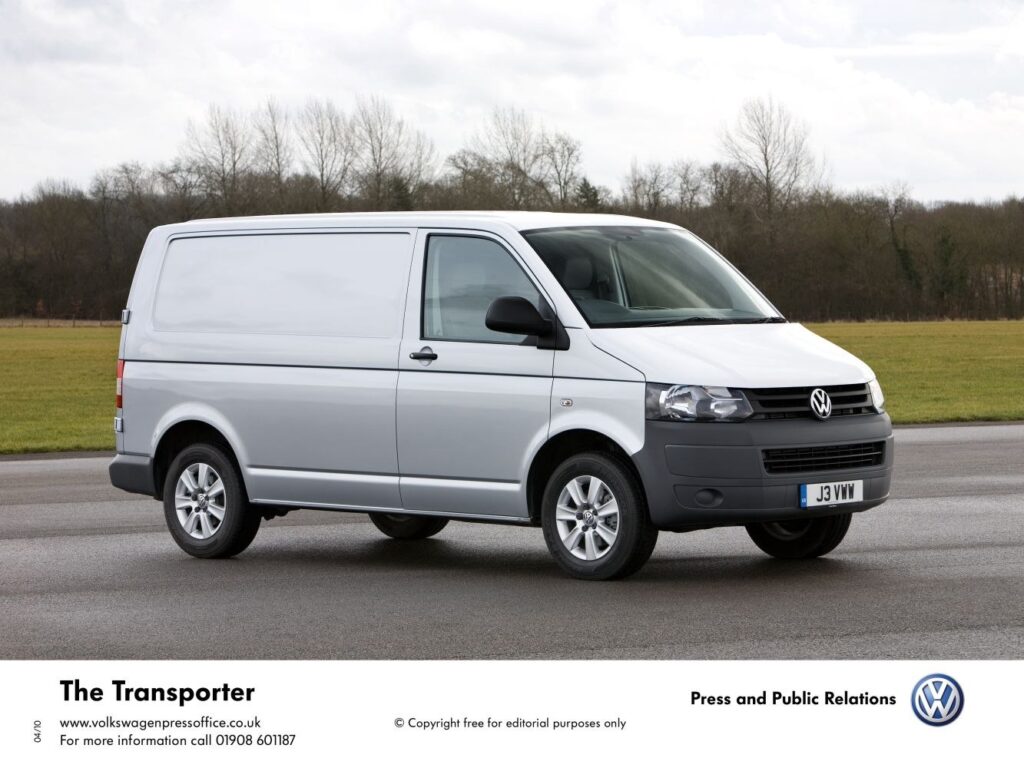
The Volkswagen Transporter (T5, facelift 2009) Panel Van represents a significant evolution in Volkswagen’s long-standing tradition of versatile and reliable commercial vehicles. Introduced in 2003, the T5 received a substantial facelift in 2009, incorporating both aesthetic and technological improvements. This article focuses specifically on the Volkswagen Transporter (T5, facelift 2009) Panel Van 2.0 TDI (180 Hp) DSG L2H1. While not a common sight in the United States in its commercial van configuration, the Transporter series enjoys a strong reputation in Europe and international markets as a quintessential light commercial vehicle (LCV). This particular configuration, with its powerful diesel engine, advanced automatic transmission, and practical L2H1 body style (Long wheelbase, standard roof height), embodies the blend of performance, efficiency, and utility that has made the Transporter a cornerstone for businesses and tradespeople worldwide.
Powertrain & Engine Architecture
The Volkswagen Transporter (T5, facelift 2009) Panel Van was powered by a highly capable 2.0-liter TDI (Turbocharged Direct Injection) diesel engine, showcasing Volkswagen’s expertise in diesel technology. This variant, producing 180 horsepower, utilized an advanced BiTurbo setup, a key feature that allowed for impressive power output for its displacement. The inline four-cylinder engine, featuring a DOHC (Double Overhead Camshaft) valvetrain and a Common Rail fuel injection system, generated 180 hp at 4000 rpm. Crucially for a commercial vehicle, it produced a substantial 295.02 lb-ft of torque, available across a broad and usable range from 1500 to 2000 rpm. This low-end torque was essential for effortlessly hauling heavy loads and navigating challenging urban environments.
Power was delivered to the front wheels via a sophisticated 7-speed DSG (Direct Shift Gearbox) automatic transmission. This dual-clutch system offered lightning-fast and smooth gear changes, contributing to both driving comfort and fuel efficiency – a critical factor for fleet operators. The combination of the BiTurbo diesel and DSG transmission enabled the Transporter to accelerate from 0 to 60 mph in a respectable 9.5 seconds, with a maximum speed of 118.68 mph. For a panel van designed primarily for utility, these figures demonstrated its ability to maintain strong performance even when fully loaded.
Fuel economy, another vital consideration for commercial vehicles, was commendable for its class. The Transporter 2.0 TDI (180 Hp) DSG achieved an estimated combined fuel economy of 29-30.2 US mpg (7.8-8.1 l/100 km) under the NEDC cycle, with extra-urban figures reaching an impressive 34.1-35.6 US mpg (6.6-6.9 l/100 km). This efficiency, coupled with a 21.13 US gallon (80 liter) fuel tank, provided an excellent operating range, minimizing downtime for refueling. Emissions were managed to meet Euro 5 standards, thanks in part to a standard particulate filter, reflecting Volkswagen’s commitment to environmental responsibility even in its commercial offerings.
Driving Characteristics
The 180 hp TDI engine paired with the 7-speed DSG automatic transmission provided a surprisingly refined driving experience for a commercial van. Compared to lower-powered versions of the T5, such as those equipped with the 102 hp or 140 hp engines, the 2.0 TDI 180 offered significantly more readily available power for highway merging, overtaking, and climbing hills, even with a substantial load. The DSG transmission intelligently selected gears to keep the engine within its optimal torque band, resulting in smooth and responsive acceleration. While a manual transmission offered slightly better fuel economy, the DSG provided a level of convenience and ease of use that was highly valued by professional drivers.
The gear ratios in the 7-speed DSG were optimized for both fuel efficiency and performance. Lower gears provided ample torque for starting from a standstill and navigating low-speed maneuvers, while higher gears allowed for relaxed cruising at highway speeds. The transmission’s ability to skip gears during acceleration further enhanced responsiveness. Compared to the 6-speed manual transmission available on other T5 variants, the DSG offered quicker and smoother shifts, reducing driver fatigue on long journeys. The overall driving experience was more akin to a passenger car than a traditional commercial van.
Equipment & Trim Levels
The Volkswagen Transporter (T5, facelift 2009) Panel Van 2.0 TDI (180 Hp) DSG L2H1 typically came equipped with a practical and functional interior. Standard features included a driver’s airbag, ABS (Anti-lock Braking System), power windows, central locking, and a basic audio system. The interior upholstery was typically durable cloth, designed to withstand the rigors of commercial use. The dashboard layout was straightforward and ergonomic, prioritizing functionality over luxury.
Optional extras varied depending on the market and individual customer preferences. Common options included air conditioning, a more advanced audio system with Bluetooth connectivity, parking sensors, a navigation system, and upgraded seating with lumbar support. Some models also offered features such as cruise control, heated seats, and a multi-function steering wheel. The L2H1 body style provided a generous cargo area, often fitted with wood or composite flooring and tie-down points for securing loads. Many operators chose to add aftermarket shelving, racking systems, and other specialized equipment to tailor the van to their specific business needs.
Chassis & Braking
The Transporter’s chassis was engineered for durability and a comfortable ride, even when heavily laden. It featured an independent McPherson strut front suspension with coil springs and an anti-roll bar, complemented by an independent coil spring rear suspension with a transverse stabilizer and trailing arms. This setup provided a car-like driving experience, minimizing fatigue for drivers on long routes. Braking performance was handled by large ventilated discs on both the front (340×32.5 mm) and rear (294×22 mm) axles, aided by ABS (Anti-lock Braking System) for confident stopping power.
The rear suspension configuration varied slightly depending on the vehicle’s Gross Vehicle Weight Rating (GVWR). Heavier-duty models often featured reinforced springs and dampers to accommodate larger payloads. Steering was a hydraulic rack and pinion system, offering direct feedback and ease of control. The robust chassis and practical design elements ensured the Transporter could withstand the rigors of daily commercial use, making it a reliable partner for any business.
Market Reception & Comparison
Critics generally praised the Volkswagen Transporter T5 facelift, particularly the 2.0 TDI 180 hp variant, for its refined driving experience, strong performance, and excellent fuel economy. The DSG transmission was widely regarded as a significant upgrade, offering smooth and efficient gear changes. Compared to other trims in the lineup, the 180 hp version offered a noticeable performance advantage, making it well-suited for drivers who frequently carry heavy loads or travel long distances.
In terms of fuel economy, the 2.0 TDI 180 hp model performed competitively with other diesel-powered vans in its class. Reliability was generally good, although some owners reported occasional issues with the DSG transmission. However, these issues were often addressed through software updates or component replacements. Compared to competitors like the Ford Transit Custom and Mercedes-Benz Vito, the Transporter often commanded a higher price, but its superior build quality, refined driving experience, and strong residual values justified the premium for many buyers.
Technical Specifications
| Category | Specification |
| General Information | |
| Brand | Volkswagen |
| Model | Transporter (T5, facelift 2009) Panel Van |
| Type (Engine) | 2.0 TDI (180 Hp) DSG L2H1 |
| Production Years | 2009 – 2015 |
| Body Type | Van |
| Seats | 2-3 |
| Doors | 4-5 |
| Performance Specs | |
| Fuel Type | Diesel |
| Acceleration 0-60 mph | 9.5 sec |
| Maximum Speed | 118.68 mph (191 km/h) |
| Fuel Economy (Combined) | 29-30.2 US mpg (7.8-8.1 l/100 km) |
| Fuel Economy (Urban) | 23.1-23.8 US mpg (9.9-10.2 l/100 km) |
| Fuel Economy (Extra Urban) | 34.1-35.6 US mpg (6.6-6.9 l/100 km) |
| CO2 Emissions (NEDC) | 205-214 g/km |
| Emission Standard | Euro 5 |
| Engine Specs | |
| Power | 180 HP @ 4000 rpm |
| Torque | 295.02 lb.-ft. @ 1500-2000 rpm (400 Nm) |
| Engine Displacement | 120.09 cu. in. (1968 cm3 / 2.0 Liters) |
| Number of Cylinders | 4, Inline |
| Engine Layout | Front, Transverse |
| Fuel Injection System | Diesel Commonrail |
| Engine Aspiration | BiTurbo, Intercooler |
| Valvetrain | DOHC |
| Compression Ratio | 16.5:1 |
| Engine Oil Capacity | 7.4 US qt (7 l) |
| Coolant Capacity | 11.62 US qt (11 l) |
| Space, Volume & Weights | |
| Kerb Weight | 4038.87 – 4958.2 lbs (1832-2249 kg) |
| Max. Weight | 6172.94 – 7054.79 lbs (2800-3200 kg) |
| Max. Load | 2096.6 – 2134.07 lbs (951-968 kg) |
| Trunk (Boot) Space – Max | 236.61 cu. ft. (6700 l) |
| Fuel Tank Capacity | 21.13 US gal (80 l) |
| Permitted Trailer Load (with brakes) | 5511.56 lbs (2500 kg) |
| Permitted Trailer Load (without brakes) | 1653.47 lbs (750 kg) |
| Dimensions | |
| Length | 208.35 in (5292 mm) |
| Width | 74.96 in (1904 mm) |
| Width (incl. mirrors) | 89.88 in (2283 mm) |
| Height | 78.35 in (1990 mm) |
| Wheelbase | 133.86 in (3400 mm) |
| Ground Clearance | 7.91 in (201 mm) |
| Minimum Turning Circle | 43.31 ft (13.2 m) |
| Drivetrain, Brakes & Suspension | |
| Drivetrain Architecture | Front-wheel drive |
| Gearbox | 7 gears, automatic transmission DSG |
| Front Suspension | Independent, McPherson with coil spring and anti-roll bar |
| Rear Suspension | Independent coil spring, Transverse stabilizer, Trailing arm |
| Front Brakes | Ventilated discs, 13.39 x 1.28 in (340×32.5 mm) |
| Rear Brakes | Ventilated discs, 11.57 x 0.87 in (294×22 mm) |
| Assisting Systems | ABS (Anti-lock braking system) |
| Steering Type | Steering rack and pinion (Hydraulic Power Steering) |
| Tire Sizes | 215/60 R17; 235/55 R17; 255/45 R18 |
Legacy
The Volkswagen Transporter T5, particularly in its facelifted 2009 models, built upon a rich heritage dating back to the iconic T1 “Bus” of the 1950s. While the passenger-oriented Multivan and California camper versions garnered significant attention, the panel van remained the bedrock of the Transporter’s commercial success. In its primary markets, especially across Europe, the T5 facelift panel van was an undisputed leader in the light commercial vehicle segment. Its reputation was forged on a foundation of exceptional build quality, unwavering reliability, and remarkable versatility.
The T5 facelift’s introduction of the modern common-rail TDI engines, including the powerful 180 HP BiTurbo variant, and the efficient DSG transmission, marked a significant technological leap. These advancements not only improved performance and fuel economy but also enhanced the driving experience, making long hours behind the wheel more comfortable and less fatiguing for professional drivers. For businesses, the lower running costs due to improved fuel efficiency and Volkswagen’s renowned durability translated into a lower total cost of ownership, a critical metric for commercial fleets.
Today, the T5 facelift remains a highly sought-after used vehicle, particularly well-maintained examples with the 2.0 TDI 180 hp engine and DSG transmission. The powertrain is generally considered reliable, although regular maintenance, including DSG transmission servicing, is crucial for long-term durability. The T5’s enduring popularity is a testament to its robust construction, practical design, and Volkswagen’s commitment to building vehicles that stand the test of time.