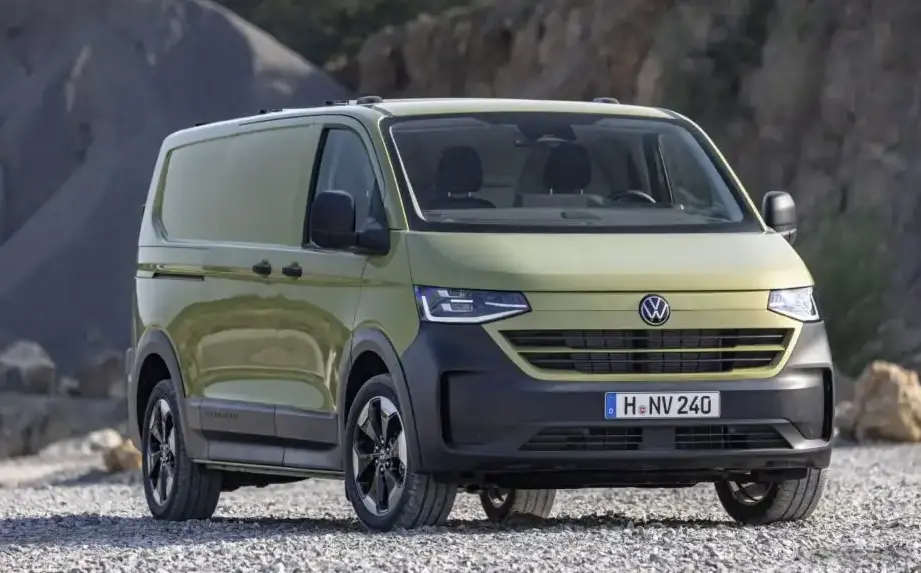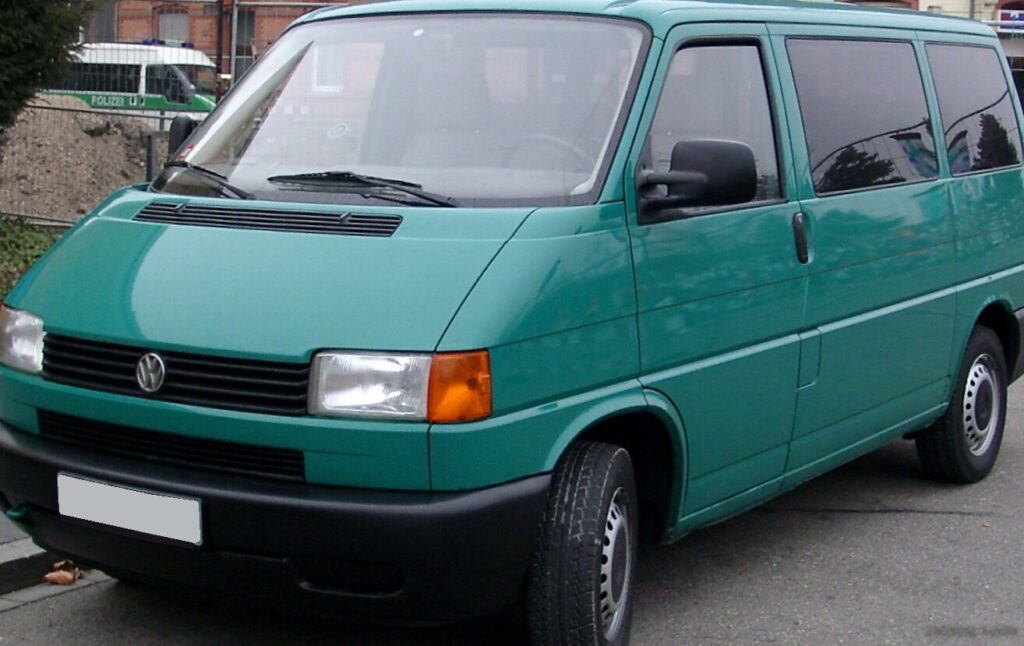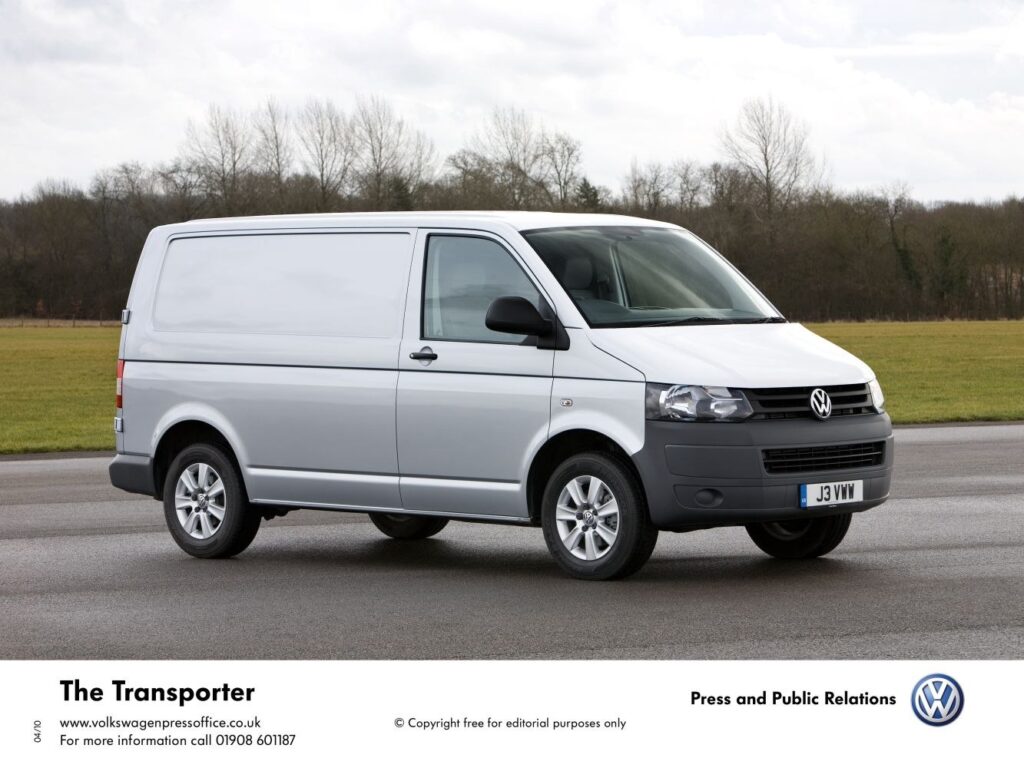
The Volkswagen Transporter (T5, facelift 2009) Panel Van 2.0 TDI (180 Hp) L2H1 represents a significant iteration of Volkswagen’s iconic commercial vehicle, produced from 2009 to 2015. This variant, part of the fifth-generation Transporter series (T5) built on the 1HX0/A3 platform, was designed to cater to the demands of European commercial users, offering a blend of practicality, efficiency, and reliability. While not widely available in the United States, where Volkswagen focused on other commercial offerings, the T5 Transporter played a crucial role in the European light commercial vehicle segment, particularly in the panel van category. The L2H1 designation signifies a long wheelbase and standard roof height, providing a balance between cargo capacity and maneuverability.
Powertrain & Engine Architecture
The heart of the Volkswagen Transporter (T5, facelift 2009) Panel Van 2.0 TDI (180 Hp) L2H1 is the EA189 series 2.0-liter inline-four cylinder diesel engine, specifically the CFCA engine code. This engine boasts a displacement of 1968 cm3 (120.09 cubic inches) and utilizes a sophisticated BiTurbo system with an intercooler. This configuration, combined with a Double Overhead Camshaft (DOHC) valvetrain and a common rail direct fuel injection system, allows for a robust power output. The engine produces 180 horsepower at 4000 rpm and a substantial 400 Nm (295.02 lb-ft) of torque between 1500 and 2000 rpm. This broad torque curve is particularly beneficial for a commercial vehicle, providing ample pulling power for hauling loads. The fuel injection system is a common rail system, delivering precise fuel metering for optimal combustion and efficiency. The engine also incorporates a diesel particulate filter (DPF) to reduce harmful emissions, meeting Euro 5 standards.
Transmission
The 2.0 TDI engine was typically paired with a precise and durable 6-speed manual transmission. This transmission was chosen for its efficiency and reliability, providing drivers with optimal control over the engine’s power delivery. The gear ratios were carefully selected to maximize fuel economy while still providing sufficient acceleration and towing capacity. While an automatic transmission was available on some T5 models, the 6-speed manual was the more common pairing for the 180 hp TDI engine, particularly in commercial applications where driver control and fuel efficiency were prioritized.
Driving Characteristics
The 180 hp 2.0 TDI engine, coupled with the 6-speed manual transmission, provided a noticeable step up in performance compared to lower-powered T5 variants. Acceleration from 0 to 60 mph was achieved in approximately 9.4 seconds, and 0 to 100 km/h in 9.9 seconds. The maximum speed was electronically limited to 191 km/h (118.68 mph). The engine’s strong low-end torque made it particularly adept at handling heavy loads and navigating challenging terrain. Compared to the 1.9 TDI models, the 2.0 TDI offered a more refined driving experience with reduced noise and vibration. While not as sporty as some of the higher-performance passenger car engines in the Volkswagen lineup, the 2.0 TDI provided ample power for everyday commercial use and long-distance highway driving. The gear ratios in the 6-speed manual transmission were well-matched to the engine’s torque curve, allowing for smooth and efficient gear changes.
Equipment & Trim Levels
As a panel van, the T5 Transporter (T5, facelift 2009) Panel Van 2.0 TDI (180 Hp) L2H1 prioritized functionality over luxury. Standard equipment typically included a driver and passenger airbag, ABS (Anti-lock Braking System), power steering, and a basic audio system. The interior was designed for durability, with hard-wearing plastics and cloth upholstery. The driver’s seat was typically adjustable for height and lumbar support. The dashboard layout was functional and straightforward, with easy-to-read gauges and controls. Optional extras included air conditioning, a CD player with MP3 compatibility, electric windows, central locking, and a rear parking sensor system. Higher trim levels offered additional features such as upgraded upholstery, cruise control, and a multi-function steering wheel. The van’s interior was designed to be easily cleaned and maintained, reflecting its commercial purpose.
Chassis & Braking
The T5 Transporter utilized a robust chassis designed to withstand the rigors of commercial use. The front suspension consisted of independent McPherson struts with coil springs and an anti-roll bar, providing a comfortable ride and stable handling. The rear suspension employed an independent coil spring setup with trailing arms and a transverse stabilizer. This configuration helped to minimize body roll and improve stability, even when carrying heavy loads. The braking system featured ventilated discs on all four wheels (340×32.5 mm front, 294×22 mm rear), providing ample stopping power. ABS (Anti-lock Braking System) was standard, enhancing safety by preventing wheel lockup during emergency braking. Hydraulic power steering provided precise and responsive steering feel. Typical tire sizes included 215/60 R17, 235/55 R17, or 255/45 R18, mounted on 7J x 17 or 8J x 18 alloy wheels.
Market Reception & Comparison
The Volkswagen Transporter (T5, facelift 2009) Panel Van 2.0 TDI (180 Hp) L2H1 was generally well-received by critics and commercial vehicle operators. It was praised for its reliability, fuel efficiency, and strong performance. Compared to the lower-powered 1.9 TDI variants, the 2.0 TDI offered a noticeable improvement in acceleration and overall driving experience. Fuel economy was commendable, with combined fuel consumption ranging from 7.5 to 7.8 liters per 100 kilometers (31.4 to 30.2 US mpg) under the NEDC testing cycle. Compared to competitors like the Ford Transit and Mercedes-Benz Vito, the Transporter was often seen as offering a more refined driving experience and a higher level of build quality. However, it was generally more expensive than some of its rivals. The 180 hp TDI engine provided a good balance between power and economy, making it a popular choice for businesses that required a versatile and reliable workhorse.
Technical Specifications
| Category | Specification |
| General Information | |
| Brand | Volkswagen |
| Model | Transporter |
| Generation | Transporter (T5, facelift 2009) Panel Van |
| Engine Type | 2.0 TDI (180 Hp) L2H1 |
| Production Start | 2009 |
| Production End | 2015 |
| Powertrain Architecture | Internal Combustion engine |
| Body Type | Van, 4-5 Doors, 2-3 Seats |
| Performance Specifications | |
| Fuel Consumption (Urban, NEDC) | 9.5-9.8 l/100 km (24.8 – 24 US mpg) |
| Fuel Consumption (Extra Urban, NEDC) | 6.4-6.7 l/100 km (36.8 – 35.1 US mpg) |
| Fuel Consumption (Combined, NEDC) | 7.5-7.8 l/100 km (31.4 – 30.2 US mpg) |
| CO2 Emissions (NEDC) | 197-205 g/km |
| Fuel Type | Diesel |
| Acceleration 0 – 60 mph | 9.4 sec |
| Acceleration 0 – 100 km/h | 9.9 sec |
| Maximum Speed | 191 km/h (118.68 mph) |
| Emission Standard | Euro 5 |
| Weight-to-Power Ratio | 10.1 kg/Hp (98.9 Hp/tonne) |
| Weight-to-Torque Ratio | 4.6 kg/Nm (219.8 Nm/tonne) |
| Engine Specifications | |
| Power | 180 Hp @ 4000 rpm |
| Power per liter | 91.5 Hp/l |
| Torque | 400 Nm @ 1500-2000 rpm (295.02 lb.-ft.) |
| Engine Layout | Front, Transverse |
| Engine Model/Code | EA189 / CFCA |
| Engine Displacement | 1968 cm3 (2.0 liters / 120.09 cu. in.) |
| Number of Cylinders | 4 Inline |
| Cylinder Bore | 81 mm (3.19 in.) |
| Piston Stroke | 95.5 mm (3.76 in.) |
| Compression Ratio | 16.5:1 |
| Valves per Cylinder | 4 |
| Fuel Injection System | Diesel Commonrail |
| Engine Aspiration | BiTurbo, Intercooler |
| Valvetrain | DOHC |
| Engine Oil Capacity | 7 l (7.4 US qt) |
| Coolant Capacity | 11 l (11.62 US qt) |
| Engine Systems | Particulate filter |
| Space, Volume and Weights | |
| Kerb Weight | 1820-2237 kg (4012.41 – 4931.74 lbs.) |
| Maximum Weight | 2800-3200 kg (6172.94 – 7054.79 lbs.) |
| Maximum Load | 963-980 kg (2123.05 – 2160.53 lbs.) |
| Trunk (Boot) Space – maximum | 6700 l (236.61 cu. ft.) |
| Fuel Tank Capacity | 80 l (21.13 US gal) |
| Maximum Roof Load | 100 kg (220.46 lbs.) |
| Permitted Trailer Load with Brakes (12%) | 2500 kg (5511.56 lbs.) |
| Permitted Trailer Load without Brakes | 750 kg (1653.47 lbs.) |
| Permitted Towbar Download | 100 kg (220.46 lbs.) |
| Dimensions | |
| Length | 5292 mm (208.35 in.) |
| Width | 1904 mm (74.96 in.) |
| Width (including mirrors) | 2283 mm (89.88 in.) |
| Height | 1990 mm (78.35 in.) |
| Wheelbase | 3400 mm (133.86 in.) |
| Front Overhang | 896 mm (35.28 in.) |
| Rear Overhang | 996 mm (39.21 in.) |
| Ride Height (Ground Clearance) | 201 mm (7.91 in.) |
| Minimum Turning Circle | 13.2 m (43.31 ft.) |
| Approach Angle | 21° |
| Departure Angle | 17° |
| Ramp-over (Brakeover) Angle | 12° |
| Drivetrain, Brakes and Suspension | |
| Drivetrain Architecture | Internal combustion engine drives the front wheels. |
| Drive Wheel | Front wheel drive |
| Gearbox | 6 gears, manual transmission |
| Front Suspension | Independent, McPherson with coil spring and anti-roll bar |
| Rear Suspension | Independent coil spring, Transverse stabilizer, Trailing arm |
| Front Brakes | Ventilated discs 340×32.5 mm |
| Rear Brakes | Ventilated discs 294×22 mm |
| Assisting Systems | ABS (Anti-lock braking system) |
| Steering Type | Steering rack and pinion |
| Power Steering | Hydraulic Steering |
| Tires Size | 215/60 R17; 235/55 R17; 255/45 R18 |
| Wheel Rims Size | 7J x 17; 8J x 18 |
Legacy
The Volkswagen Transporter T5, and specifically the 2.0 TDI (180 Hp) L2H1 variant, has left a lasting legacy as a reliable and versatile commercial vehicle. Its robust engine and durable construction have ensured that many examples remain on the road today, even with high mileage. In the used car market, these vans continue to command reasonable prices, reflecting their reputation for longevity and practicality. While the EA189 engine family was later subject to scrutiny regarding emissions compliance, the T5 Transporter remains a popular choice for businesses and tradespeople seeking a dependable workhorse. The T5’s success paved the way for the T6 generation, which built upon its strengths and further refined the Transporter formula. The 2.0 TDI (180 Hp) L2H1 stands as a testament to Volkswagen’s engineering prowess and its commitment to producing commercial vehicles that can withstand the demands of everyday use.