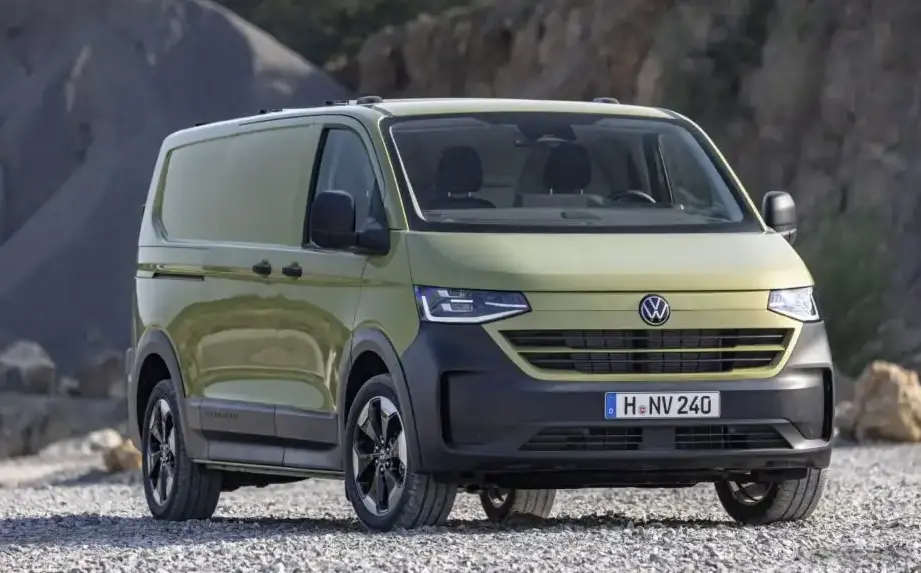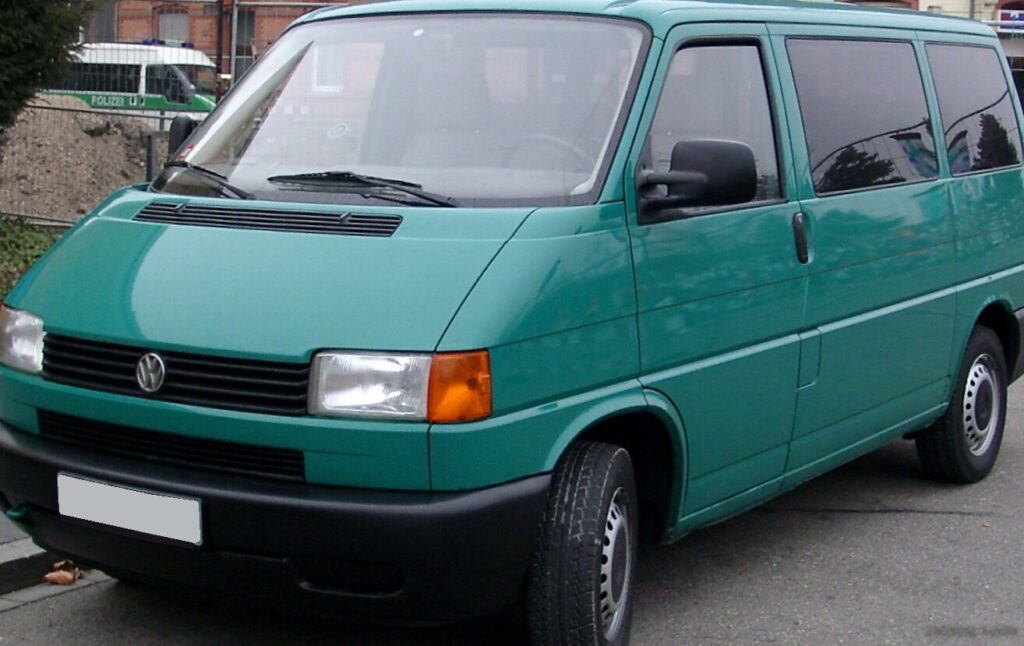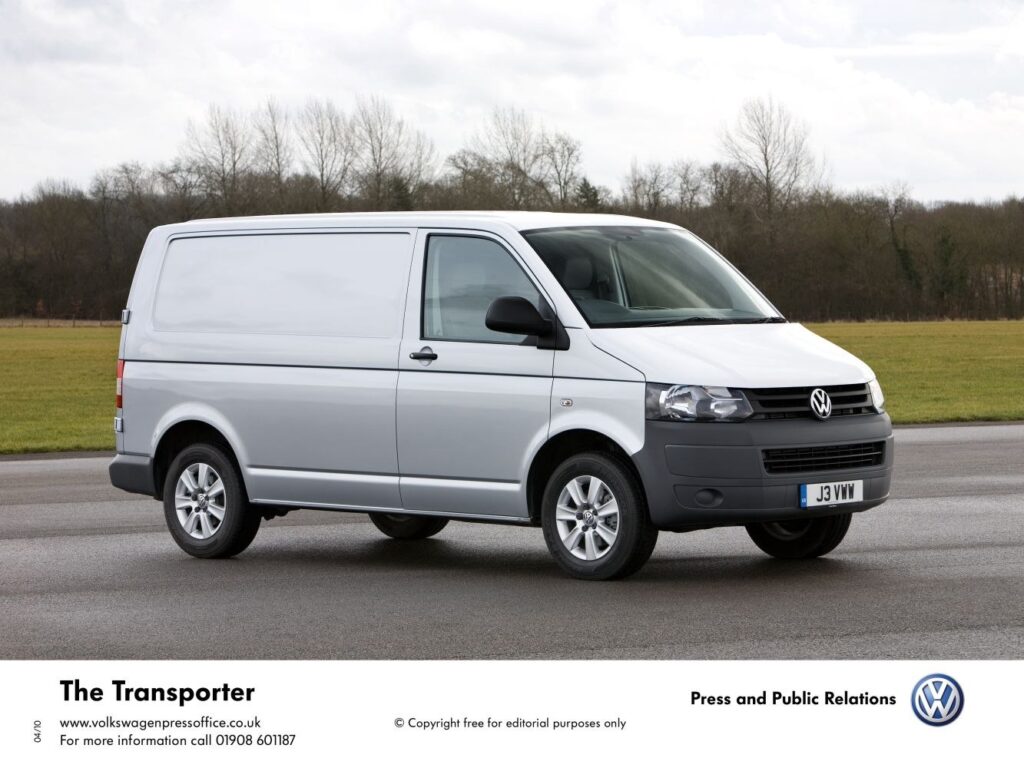
The Volkswagen Transporter, a name synonymous with versatility, durability, and commercial utility across the globe, represents a cornerstone of Volkswagen’s commercial vehicle division. The T5 generation, introduced in 2003, received a significant facelift in 2009, bringing a host of aesthetic, technological, and powertrain improvements. This particular variant, the Volkswagen Transporter (T5, facelift 2009) Panel Van 2.0 TDI BMT (140 Hp) 4MOTION L1H1, produced between 2012 and 2015, exemplifies the model’s commitment to efficiency, capability, and practicality for demanding professional applications. While the Transporter series has a storied history, including its iconic Type 2 (Bus) predecessor, the T5 facelift was a thoroughly modern interpretation, designed to meet the rigorous demands of European and international markets where commercial vans are essential tools for countless businesses.
Specifically configured as a Panel Van with a short wheelbase (L1) and standard roof height (H1), this model was engineered for maximum cargo capacity within a manageable footprint. Its inclusion of the 2.0 TDI BlueMotion Technology (BMT) engine, delivering 140 horsepower, combined with Volkswagen’s renowned 4MOTION all-wheel-drive system, positioned it as a highly capable and efficient workhorse. For markets outside the United States, where the Transporter has never been a primary offering in this commercial configuration, its role as a ubiquitous delivery vehicle, tradesman’s van, and fleet staple is undeniable, setting benchmarks for quality and residual value in its segment.
Powertrain & Engine Architecture
At the heart of the Volkswagen Transporter (T5, facelift 2009) Panel Van 2.0 TDI BMT (140 Hp) 4MOTION L1H1 lies a sophisticated and highly efficient powertrain designed for arduous commercial duty. The engine is Volkswagen’s widely acclaimed 2.0-liter (1968 cm3 or 120.09 cu. in.) inline-four turbo-diesel, designated with the internal code EA189 / CAAC. This unit is a testament to modern diesel engineering, featuring a common rail fuel injection system, a turbocharger, and an intercooler to optimize power delivery and fuel efficiency.
The engine produces a robust 140 horsepower at 3500 rpm, which is a commendable output for a commercial vehicle of its size, providing ample power for both urban deliveries and highway cruising even when fully loaded. More critically for a working van, the torque figures are impressive: 250.77 lb.-ft. (340 Nm) available across a broad rev range, from 1750 to 2500 rpm. This flat torque curve ensures strong pulling power from low engine speeds, crucial for heavy loads and challenging terrain, and contributes to the vehicle’s excellent weight-to-torque ratio of 5.4 kg/Nm (184.6 Nm/tonne).
Fuel Injection and Valvetrain
The 2.0 TDI engine utilizes a common rail direct injection system, allowing for precise control over fuel delivery and optimized combustion. This system operates at extremely high pressures, ensuring efficient atomization of the fuel for improved power and reduced emissions. The engine also features a dual overhead camshaft (DOHC) valvetrain with four valves per cylinder. This configuration enhances volumetric efficiency, contributing to both power and torque output. The engine’s internal components were designed for longevity and durability, reflecting its intended use in demanding commercial applications.
Transmission
Power is transmitted through a durable 6-speed manual transmission, offering precise control and allowing the driver to optimize performance and fuel economy. The gearbox is designed to handle the engine’s substantial torque output and provide smooth, reliable shifting even under heavy loads. The 4MOTION all-wheel-drive system is a significant feature. This intelligent drivetrain architecture primarily drives the front wheels but can instantaneously engage the rear wheels via an electrically or mechanically operated clutch when slip is detected or additional traction is required. This makes the 4MOTION Transporter an invaluable asset for navigating challenging weather conditions, unpaved roads, or construction sites, significantly enhancing its utility and safety.
Driving Characteristics
The Volkswagen Transporter (T5, facelift 2009) Panel Van 2.0 TDI BMT (140 Hp) 4MOTION L1H1 offers a practical and capable driving experience. While not designed for outright speed, the 140 hp engine and 250.77 lb-ft of torque provide sufficient power for most commercial applications. Acceleration from 0 to 60 mph takes approximately 12.8 seconds, with a top speed of 105.63 mph (170 km/h). The broad torque band ensures strong pulling power from low engine speeds, making it easy to navigate hills and carry heavy loads. Compared to higher-output versions of the T5, such as those equipped with the 180 hp TDI engine, this variant offers a more fuel-efficient and cost-effective solution, albeit with slightly reduced performance. The 4MOTION system provides enhanced stability and traction, particularly on slippery surfaces, making it a safer and more confident driving experience in adverse conditions. The gear ratios in the 6-speed manual transmission are well-matched to the engine’s characteristics, providing a balance between acceleration and fuel economy.
Equipment & Trim Levels
The Panel Van configuration of the T5 Transporter prioritizes functionality and practicality over luxury. As such, the standard equipment level is relatively basic, focusing on essential features for commercial use. The interior typically features durable cloth upholstery, a functional dashboard layout, and comfortable seating for up to three occupants. Standard features generally include power windows, central locking, and an adjustable steering wheel. Air conditioning was often an optional extra. The vehicle’s focus is on providing a robust and reliable work environment, rather than offering extensive creature comforts. Optional extras available for this trim included features such as a radio/CD player, upgraded seating, parking sensors, and a rear-view camera. The cargo area is typically equipped with tie-down points and protective panels to secure and protect goods during transport.
Chassis & Braking
The Volkswagen Transporter (T5, facelift 2009) Panel Van 2.0 TDI BMT (140 Hp) 4MOTION L1H1 features a robust chassis designed to withstand the rigors of commercial use. The front suspension utilizes an independent McPherson strut setup with coil springs and an anti-roll bar, providing a comfortable ride and stable handling. The rear suspension employs an independent coil spring setup with a transverse stabilizer and trailing arm, further enhancing ride quality and stability. Braking is handled by ventilated discs on all four wheels, providing ample stopping power even when fully loaded. The Anti-lock Braking System (ABS) enhances safety by preventing wheel lockup during emergency braking. Hydraulic power steering ensures responsive and predictable handling. The 4MOTION system, combined with a ground clearance of 7.91 inches (201 mm) and a wading depth of 11.81 inches (300 mm), further underscores its capability to operate in diverse conditions.
Market Reception & Comparison
Critics generally viewed the 1.8L Automatic Transporter as a sensible and practical choice for businesses seeking a reliable and fuel-efficient workhorse. While not the most exciting vehicle to drive, it offered a compelling combination of capability, durability, and low running costs. Compared to the higher-output TDI variants, the 140 hp model provided a more affordable entry point into the Transporter range, making it accessible to a wider range of customers. Fuel economy was a key strength, with the BMT technology contributing to combined fuel consumption figures of 31.4 – 30.2 US mpg (7.5-7.8 l/100 km). Reliability was also a strong point, with the T5 Transporter generally regarded as a well-built and dependable vehicle. Compared to competitors such as the Ford Transit Custom and Mercedes-Benz Vito, the Transporter often stood out for its superior build quality and strong residual values.
Technical Specifications
| Category | Specification |
| General Information | |
| Brand | Volkswagen |
| Model | Transporter |
| Generation | Transporter (T5, facelift 2009) Panel Van |
| Type (Engine) | 2.0 TDI BMT (140 Hp) 4MOTION L1H1 |
| Start of Production | 2012 year |
| End of Production | 2015 year |
| Powertrain Architecture | Internal Combustion engine |
| Body type | Van |
| Seats | 2-3 |
| Doors | 4-5 |
| Performance Specs | |
| Fuel consumption (economy) – urban (NEDC) | 24.8 – 24 US mpg (9.5-9.8 l/100 km) |
| Fuel consumption (economy) – extra urban (NEDC) | 36.8 – 35.1 US mpg (6.4-6.7 l/100 km) |
| Fuel consumption (economy) – combined (NEDC) | 31.4 – 30.2 US mpg (7.5-7.8 l/100 km) |
| CO2 emissions (NEDC) | 198-206 g/km |
| Fuel Type | Diesel |
| Acceleration 0 – 60 mph | 12.8 sec |
| Maximum speed | 105.63 mph (170 km/h) |
| Emission standard | Euro 5 |
| Weight-to-power ratio | 13.2 kg/Hp, 76 Hp/tonne |
| Weight-to-torque ratio | 5.4 kg/Nm, 184.6 Nm/tonne |
| Engine Specs | |
| Power | 140 Hp @ 3500 rpm |
| Power per liter | 71.1 Hp/l |
| Torque | 250.77 lb.-ft. @ 1750-2500 rpm (340 Nm) |
| Engine layout | Front, Transverse |
| Engine Model/Code | EA189 / CAAC |
| Engine displacement | 120.09 cu. in. (1968 cm3) |
| Number of cylinders | 4 |
| Engine configuration | Inline |
| Cylinder Bore | 3.19 in. (81 mm) |
| Piston Stroke | 3.76 in. (95.5 mm) |
| Compression ratio | 16.5:1 |
| Number of valves per cylinder | 4 |
| Fuel injection system | Diesel Commonrail |
| Engine aspiration | Turbocharger, Intercooler |
| Valvetrain | DOHC |
| Engine oil capacity | 7.4 US qt (7 l) |
| Coolant | 11.62 US qt (11 l) |
| Engine systems | Start & Stop System, Particulate filter |
| Space, Volume and Weights | |
| Kerb Weight | 4060.91 – 4978.04 lbs. (1842-2258 kg) |
| Max. weight | 6172.94 – 7054.79 lbs. (2800-3200 kg) |
| Max load | 2076.75 – 2112.03 lbs. (942-958 kg) |
| Trunk (boot) space – maximum | 204.83 cu. ft. (5800 l) |
| Fuel tank capacity | 21.13 US gal (80 l) |
| Max. roof load | 220.46 lbs. (100 kg) |
| Permitted trailer load with brakes (12%) | 5511.56 lbs. (2500 kg) |
| Permitted trailer load without brakes | 1653.47 lbs. (750 kg) |
| Permitted towbar download | 220.46 lbs. (100 kg) |
| Dimensions | |
| Length | 192.6 in. (4892 mm) |
| Width | 74.96 in. (1904 mm) |
| Width including mirrors | 89.88 in. (2283 mm) |
| Height | 78.35 in. (1990 mm) |
| Wheelbase | 118.11 in. (3000 mm) |
| Front overhang | 35.28 in. (896 mm) |
| Rear overhang | 39.21 in. (996 mm) |
| Ride height (ground clearance) | 7.91 in. (201 mm) |
| Minimum turning circle (turning diameter) | 39.04 ft. (11.9 m) |
| Approach angle | 21° |
| Departure angle | 17° |
| Ramp-over (brakeover) angle | 14° |
| Wading depth | 11.81 in. (300 mm) |
| Drivetrain, Brakes and Suspension Specs | |
| Drivetrain Architecture | The Internal combustion engine (ICE) drives the front wheels permanently, and the rear wheels are driven through an electrically or mechanically operated clutch if necessary. |
| Drive wheel | All wheel drive (4×4) |
| Number of gears and type of gearbox | 6 gears, manual transmission |
| Front suspension | Independent, type McPherson with coil spring and anti-roll bar |
| Rear suspension | Independent coil spring, Transverse stabilizer, Trailing arm |
| Front brakes | Ventilated discs, 308×29.5 mm |
| Rear brakes | Ventilated discs, 294×22 mm |
| Assisting systems | ABS (Anti-lock braking system) |
| Steering type | Steering rack and pinion |
| Power steering | Hydraulic Steering |
| Tires size | 215/65 R16 |
| Wheel rims size | 6.5J x 16 |
Legacy
The Volkswagen Transporter series boasts an unparalleled legacy in the commercial vehicle sector, tracing its roots back to the iconic Type 2 “Bus” of the 1950s. The T5 generation, and particularly its facelifted version from 2009, continued this tradition of innovation and reliability, solidifying its position as a segment leader in European and other international markets. The Volkswagen Transporter (T5, facelift 2009) Panel Van 2.0 TDI BMT (140 Hp) 4MOTION L1H1, produced in its later years from 2012 to 2015, represents the culmination of T5 development, integrating advanced diesel technology and all-wheel-drive capability into a highly practical package.
In its primary markets, the T5 Transporter was a direct competitor to other popular commercial vans such as the Ford Transit Custom, Mercedes-Benz Vito, Renault Trafic, and Opel Vivaro. What often set the Transporter apart was its reputation for superior build quality, robust engineering, and strong residual values. Businesses and tradespeople relied on its durability and low running costs, especially with the 2.0 TDI BlueMotion Technology engine, which provided a compelling balance of power and fuel economy. The availability of the 4MOTION all-wheel-drive system was a significant differentiator, offering enhanced traction and capability for those operating in challenging conditions, from snowy winters to rough construction sites. Today, well-maintained T5 Transporters with the 2.0 TDI engine continue to be sought after in the used vehicle market, demonstrating their enduring appeal and reliability.