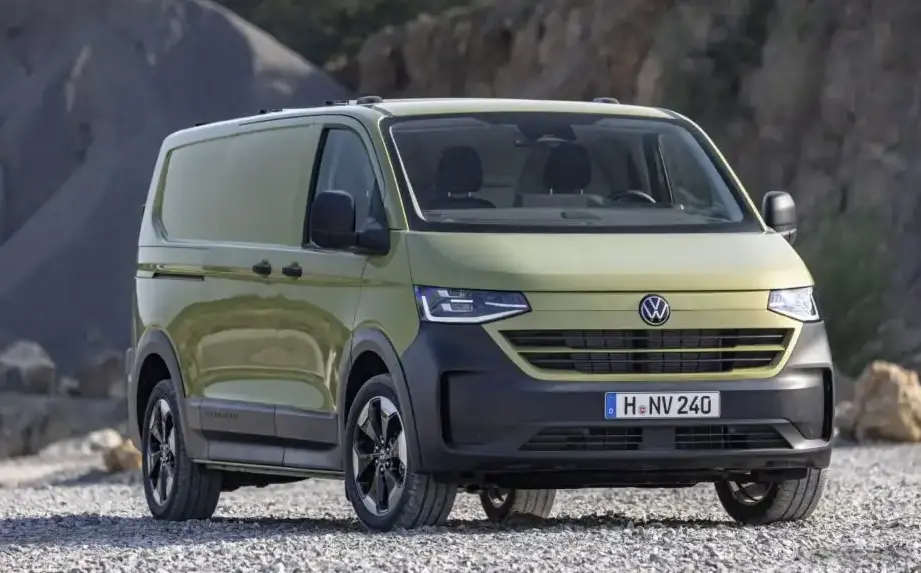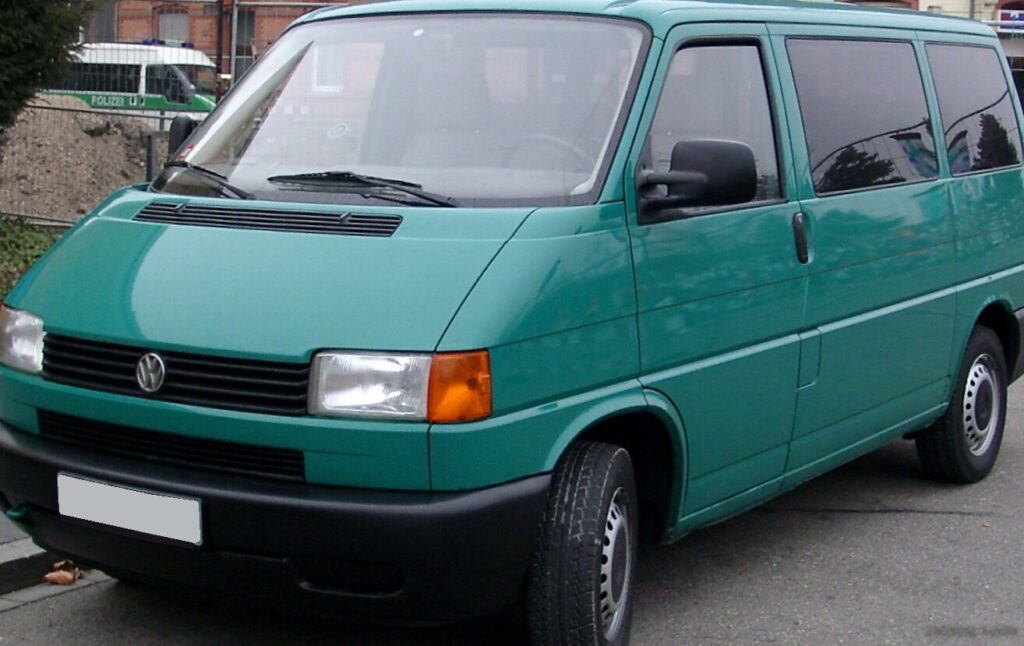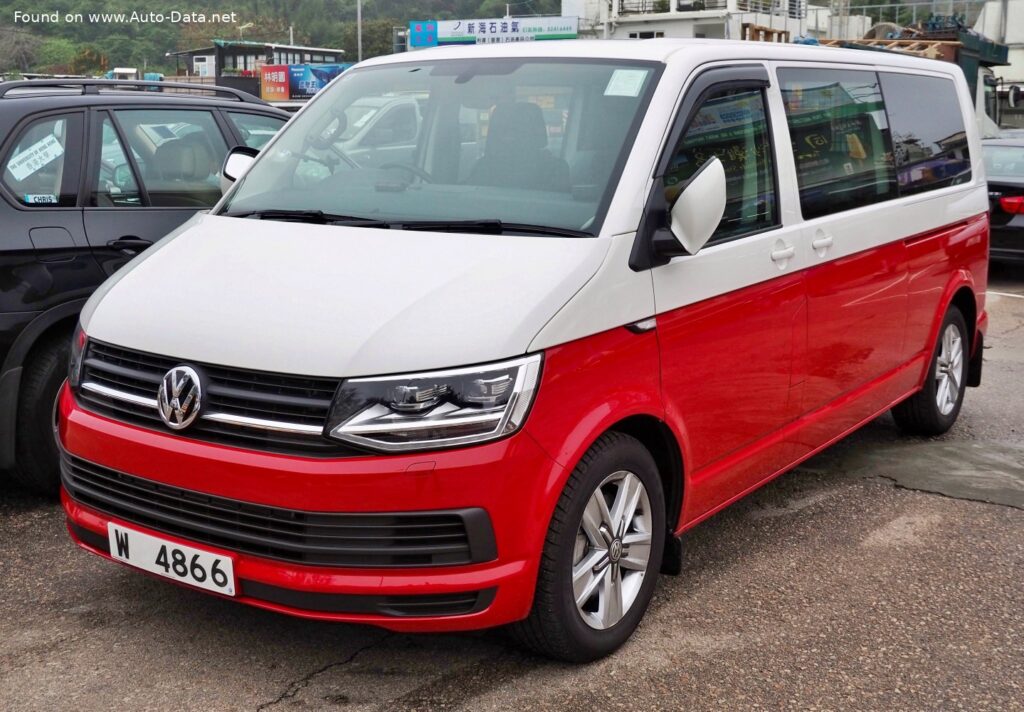
The Volkswagen Transporter (T6) Kombi 2.0 TDI (150 Hp) L2H3, produced from 2015 to 2019, represents the sixth generation of Volkswagen’s iconic light commercial vehicle, a lineage that dates back to the original Type 2 “Bus” of 1950. While the Transporter series has never been consistently sold in the United States in its modern commercial guise, it remains a cornerstone of the European and international automotive markets, celebrated for its versatility, durability, and practicality. The T6 Kombi variant, in particular, bridges the gap between a pure cargo van and a passenger shuttle, offering flexible seating for anywhere from four to nine occupants, making it an ideal solution for businesses requiring passenger transport or large families seeking a robust and spacious vehicle. The L2H3 designation signifies its long wheelbase (L2) and high roof (H3), maximizing interior volume for both passengers and cargo, a critical feature for its diverse range of applications.
The Volkswagen Transporter (T6) Kombi: A Legacy of Utility and Innovation
The Volkswagen Transporter (T6) Kombi series continued the evolutionary refinement of its predecessors, building upon a reputation for reliability and efficiency. Launched in 2015, the T6 generation wasn’t a revolutionary redesign but rather a significant update to the T5 platform, focusing on enhancing comfort, safety, and technological integration. For markets where it is a commercial and family staple, such as Germany, the UK, and Australia, the Transporter is more than just a vehicle; it’s an indispensable tool for tradespeople, a dependable family hauler, and a popular base for campervan conversions. The 2.0 TDI (150 Hp) L2H3 model, with its potent yet economical diesel engine and expansive interior, exemplifies the T6’s core strengths, offering a compelling blend of performance and utility for its target audience.
Engine & Performance: Powering the Volkswagen Transporter (T6) Kombi 2.0 TDI (150 Hp) L2H3
At the heart of this particular Volkswagen Transporter (T6) Kombi lies a robust 2.0-liter (1968 cm3 or 120.09 cu. in.) inline four-cylinder TDI diesel engine, internally designated as EA288 / CXFA, CXHA. This powerplant is a testament to modern diesel engineering, delivering a respectable 150 horsepower at 3250-3750 rpm, translating to a power output of 76.2 Hp per liter. More significantly for a utility vehicle, the engine produces a substantial 250.77 lb.-ft. of torque, available across a broad and usable range from 1500 to 3000 rpm. This low-end torque is crucial for hauling heavy loads, navigating urban environments, and providing confident acceleration, even when the vehicle is fully laden.
The engine’s architecture features a front, transverse layout with a DOHC (Double Overhead Camshaft) valvetrain and four valves per cylinder, ensuring efficient air intake and exhaust scavenging. Fuel is delivered via a sophisticated Commonrail diesel injection system, which, combined with a turbocharger and intercooler, optimizes combustion for both power and efficiency. With a compression ratio of 15.5:1, the engine is designed for diesel’s inherent fuel economy. The vehicle comes equipped with a 6-speed manual transmission, driving the front wheels, a common and reliable setup for this class of van.
Performance figures for the Volkswagen Transporter (T6) Kombi 2.0 TDI (150 Hp) L2H3 are pragmatic for its class. It accelerates from 0 to 60 mph in a calculated 11.6 seconds, and 0 to 100 km/h in 12.2 seconds, with a maximum speed of 105.63 mph (170 km/h). These figures underscore its role as a workhorse rather than a speed demon. Fuel efficiency is a key selling point, with combined NEDC figures ranging from 31.4 to 39.2 US mpg (6-7.5 l/100 km). Urban consumption ranges from 26.4 to 32.7 US mpg, while extra-urban driving yields 35.1 to 44.4 US mpg. These impressive numbers are aided by features like the Start & Stop System and a Particulate Filter, contributing to its Euro 6 emission standard compliance and reduced CO2 emissions (157-195 g/km).
Design & Features: Practicality Meets Modernity
The Volkswagen Transporter (T6) Kombi 2.0 TDI (150 Hp) L2H3 is a van by body type, designed first and foremost for functionality. Its L2H3 designation translates to a substantial length of 208.82 inches (5304 mm), a width of 74.96 inches (1904 mm, or 90.43 inches including mirrors), and a towering height of 97.52 inches (2477 mm). The long wheelbase of 133.86 inches (3400 mm) provides a stable ride and contributes significantly to the expansive interior volume. This particular configuration offers an impressive maximum trunk (boot) space of 328.43 cu. ft. (9300 liters), highlighting its exceptional cargo-carrying capabilities when seats are configured or removed for freight.
The Kombi variant is engineered for flexible seating arrangements, accommodating between 4 and 9 passengers, making it highly adaptable for various needs, from shuttle services to large family transport. Access is facilitated by 4 to 5 doors, typically including a large sliding side door for easy entry and exit in confined spaces. The design maintains the classic Transporter silhouette, updated with contemporary Volkswagen styling cues, ensuring a modern yet timeless appearance.
Underneath its utilitarian exterior, the T6 Kombi incorporates modern automotive engineering for improved ride and handling. It features an independent McPherson-type front suspension with coil springs and an anti-roll bar, paired with an independent coil spring, wishbone, and transverse stabilizer rear suspension. This setup provides a comfortable ride quality and stable handling, even when carrying heavy loads. Braking is handled by ventilated discs both front (308×29.5 mm) and rear (294×22 mm), complemented by an Anti-lock Braking System (ABS) for enhanced safety. The hydraulic steering rack and pinion system ensures precise control, while the turning circle of 43.31 ft (13.2 m) is respectable for a vehicle of its size, aiding maneuverability in urban environments. The vehicle rides on 205/65 R16 or 215/65 R16 tires mounted on 6.5J x 16 wheel rims, a practical choice for durability and load-carrying capacity.
Technical Specifications
| Category | Specification |
|---|---|
| General Information | Volkswagen |
| Model | Transporter |
| Generation | Transporter (T6) Kombi |
| Type (Engine) | 2.0 TDI (150 Hp) L2H3 |
| Start of Production | 2015 year |
| End of Production | 2019 year |
| Powertrain Architecture | Internal Combustion engine |
| Body type | Van |
| Seats | 4-9 |
| Doors | 4-5 |
| Performance Specifications | |
| Fuel consumption (urban NEDC) | 7.2-8.9 l/100 km (32.7 – 26.4 US mpg) |
| Fuel consumption (extra urban NEDC) | 5.3-6.7 l/100 km (44.4 – 35.1 US mpg) |
| Fuel consumption (combined NEDC) | 6-7.5 l/100 km (39.2 – 31.4 US mpg) |
| CO2 emissions (NEDC) | 157-195 g/km |
| Fuel Type | Diesel |
| Acceleration 0 – 60 mph | 11.6 sec |
| Acceleration 0 – 100 km/h | 12.2 sec |
| Maximum speed | 170 km/h (105.63 mph) |
| Emission standard | Euro 6 |
| Weight-to-power ratio | 12.4 kg/Hp (27.34 lbs/Hp) |
| Weight-to-torque ratio | 5.5 kg/Nm (12.13 lbs/Nm) |
| Engine Specifications | |
| Power | 150 Hp @ 3250-3750 rpm. |
| Power per liter | 76.2 Hp/l |
| Torque | 340 Nm @ 1500-3000 rpm. (250.77 lb.-ft. @ 1500-3000 rpm.) |
| Engine layout | Front, Transverse |
| Engine Model/Code | EA288 / CXFA, CXHA |
| Engine displacement | 1968 cm3 (120.09 cu. in.) |
| Number of cylinders | 4 |
| Engine configuration | Inline |
| Cylinder Bore | 81 mm (3.19 in.) |
| Piston Stroke | 95.5 mm (3.76 in.) |
| Compression ratio | 15.5:1 |
| Number of valves per cylinder | 4 |
| Fuel injection system | Diesel Commonrail |
| Engine aspiration | Turbocharger, Intercooler |
| Valvetrain | DOHC |
| Engine oil capacity | 7.4 l (7.82 US qt) |
| Engine systems | Start & Stop System, Particulate filter |
| Space, Volume and Weights | |
| Kerb Weight | 1855-2269 kg (4089.57 – 5002.29 lbs.) |
| Max. weight | 2800-3200 kg (6172.94 – 7054.79 lbs.) |
| Max load | 931-945 kg (2052.5 – 2083.37 lbs.) |
| Trunk (boot) space – maximum | 9300 l (328.43 cu. ft.) |
| Fuel tank capacity | 70 l (18.49 US gal) |
| AdBlue tank | 13 l (3.43 US gal) |
| Max. roof load | 100 kg (220.46 lbs.) |
| Permitted trailer load with brakes (12%) | 2500 kg (5511.56 lbs.) |
| Permitted trailer load without brakes | 750 kg (1653.47 lbs.) |
| Permitted towbar download | 100 kg (220.46 lbs.) |
| Dimensions | |
| Length | 5304 mm (208.82 in.) |
| Width | 1904 mm (74.96 in.) |
| Width including mirrors | 2297 mm (90.43 in.) |
| Height | 2477 mm (97.52 in.) |
| Wheelbase | 3400 mm (133.86 in.) |
| Front overhang | 908 mm (35.75 in.) |
| Rear overhang | 993 mm (39.09 in.) |
| Ride height (ground clearance) | 202 mm (7.95 in.) |
| Minimum turning circle (diameter) | 13.2 m (43.31 ft.) |
| Approach angle | 21.2° |
| Departure angle | 16.2° |
| Ramp-over (brakeover) angle | 12.2° |
| Drivetrain, Brakes and Suspension Specs | |
| Drivetrain Architecture | Front wheel drive. Internal Combustion engine. |
| Drive wheel | Front wheel drive |
| Number of gears and type of gearbox | 6 gears, manual transmission |
| Front suspension | Independent, type McPherson with coil spring and anti-roll bar |
| Rear suspension | Independent coil spring, Wishbone, Transverse stabilizer |
| Front brakes | Ventilated discs, 308×29.5 mm |
| Rear brakes | Ventilated discs, 294×22 mm |
| Assisting systems | ABS (Anti-lock braking system) |
| Steering type | Steering rack and pinion |
| Power steering | Hydraulic Steering |
| Tires size | 205/65 R16; 215/65 R16 |
| Wheel rims size | 6.5J x 16 |
Legacy and Market Impact
The Volkswagen Transporter series, often simply referred to as the “Bus” or “Van” in various parts of the world, holds an almost mythical status in automotive history. The T6 generation, including the Kombi 2.0 TDI (150 Hp) L2H3, continues this proud legacy, serving as a versatile and indispensable vehicle across Europe, Asia, and other international markets where it is sold. Its reputation for bulletproof reliability, low running costs (especially with the efficient diesel engine), and impressive cargo/passenger flexibility makes it a top choice for a wide array of users.
In its primary markets, the Transporter (T6) Kombi competes against formidable rivals such as the Mercedes-Benz Vito, Ford Transit Custom, and Renault Trafic. What sets the Transporter apart is its blend of passenger comfort with commercial practicality, alongside a strong brand image that evokes both heritage and modern engineering. It’s not just a commercial vehicle; it’s a lifestyle choice for many, particularly those who convert it into a campervan, leveraging its spacious interior and robust chassis for extended adventures.
The L2H3 variant, with its maximum interior volume, is particularly impactful for businesses requiring significant cargo capacity or multi-passenger transport, such as airport shuttles, hotel transfers, or construction crews. Its ability to tow a substantial 5511.56 lbs (2500 kg) with brakes further expands its utility, catering to tradespeople who need to haul equipment or recreational users with trailers. The T6 generation, in particular, solidified the Transporter’s position as a premium offering in the van segment, known for its refined driving dynamics, comfortable cabin, and advanced safety features for its era, even if not always explicitly listed in standard specifications. The Volkswagen Transporter (T6) Kombi 2.0 TDI (150 Hp) L2H3 embodies this spirit, standing as a testament to Volkswagen’s enduring commitment to practical, efficient, and well-engineered utility vehicles.