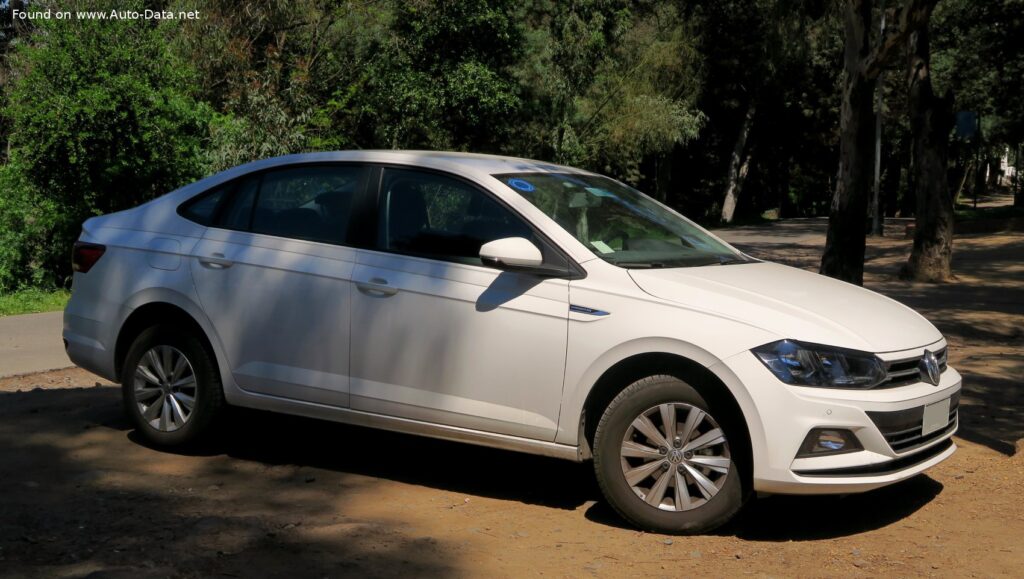
The Volkswagen Virtus (facelift 2023) 1.0 TSI, producing 116 or 128 horsepower depending on fuel type, represents a key offering in Volkswagen’s compact sedan lineup. Introduced in February 2023, this variant is positioned as a fuel-efficient and accessible entry point into the Virtus range, particularly in markets where compact sedans remain highly popular. It builds upon the foundation of the original Virtus, which itself is based on the Volkswagen Group’s MQB A0 platform – also known as the 1HX0/A3 platform – shared with models like the Polo and T-Cross. The facelift brought styling updates and refinements to the existing model, enhancing its appeal in a competitive segment.
Powertrain & Engine Architecture
At the heart of the Virtus 1.0 TSI lies the EA211 engine family, a three-cylinder, 1.0-liter turbocharged gasoline engine. This engine is notable for its compact size and relatively lightweight construction, contributing to the Virtus’s overall efficiency. The engine displaces 999 cubic centimeters (60.96 cubic inches) and features direct fuel injection, a technology that improves combustion efficiency and power output. The EA211 utilizes a single overhead camshaft (SOHC) valvetrain with four valves per cylinder, optimizing gas flow for enhanced performance.
The turbocharger, coupled with an intercooler, provides a boost in power and torque, mitigating the typical power deficit associated with smaller displacement engines. The engine is capable of running on both gasoline and ethanol (E85) fuel, with the E85 variant producing a slightly higher power output of 128 hp compared to the 116 hp produced on gasoline. This flexibility is a significant feature in markets where ethanol is readily available and economically advantageous. The engine is paired with a six-speed automatic transmission, designed to provide smooth and convenient gear changes. This transmission is a conventional torque-converter automatic, prioritizing comfort and ease of use over outright performance.
Fuel Injection and Engine Management
The direct injection system employed in the EA211 engine utilizes high-pressure fuel injectors positioned directly within the combustion chamber. This allows for precise control over fuel delivery, optimizing the air-fuel mixture for improved efficiency and reduced emissions. The engine is managed by a sophisticated engine control unit (ECU) that monitors various parameters, including engine speed, throttle position, and exhaust gas composition, to ensure optimal performance and compliance with emissions regulations. The inclusion of a Start & Stop system further enhances fuel economy by automatically shutting off the engine when the vehicle is stationary.
Driving Characteristics
The Virtus 1.0 TSI Automatic delivers a comfortable and predictable driving experience. While not designed for outright speed, the engine provides adequate power for everyday driving situations. Acceleration from 0 to 100 km/h (0 to 62 mph) takes approximately 10.4 seconds, and 0 to 60 mph is achieved in around 9.9 seconds. The six-speed automatic transmission is tuned for smooth shifts and generally avoids unnecessary gear hunting. However, drivers may notice a slight delay in response during quick acceleration maneuvers.
Compared to higher-output versions of the Virtus, such as those equipped with larger engines, the 1.0 TSI Automatic offers a more relaxed and fuel-efficient driving experience. The gear ratios are optimized for fuel economy, resulting in lower engine speeds at highway cruising speeds. This contributes to reduced noise levels and improved comfort on long journeys. The smaller engine also results in a lighter front end, which can subtly improve steering feel and agility compared to heavier, more powerful variants.
Equipment & Trim Levels
The Virtus 1.0 TSI Automatic typically comes equipped with a range of standard features designed to enhance comfort, convenience, and safety. These often include air conditioning, power windows, power door locks, and a basic audio system with Bluetooth connectivity. Higher trim levels may add features such as alloy wheels, a touchscreen infotainment system with Apple CarPlay and Android Auto compatibility, a rearview camera, and automatic climate control. Interior upholstery is typically cloth, with options for leatherette or full leather available on higher trims. Dashboard configurations are generally straightforward and functional, prioritizing ease of use. Optional extras often include a sunroof, parking sensors, and advanced driver-assistance systems (ADAS) like lane departure warning and automatic emergency braking, depending on the market.
Chassis & Braking
The Virtus 1.0 TSI Automatic utilizes a MacPherson strut front suspension and a torsion beam rear suspension. This configuration provides a good balance between ride comfort and handling. The torsion beam rear suspension is a cost-effective solution that offers adequate stability for everyday driving. Braking duties are handled by ventilated discs at the front and solid discs at the rear. The vehicle is equipped with an Anti-lock Braking System (ABS) as standard, enhancing braking performance and stability in emergency situations. The steering system employs an electric power steering (EPS) system, providing light and precise steering feel. Tire sizes typically range from 205/55 R16 to 205/50 R17, depending on the trim level.
Market Reception & Comparison
The Virtus 1.0 TSI Automatic has generally been well-received by critics and consumers alike, particularly in markets where fuel efficiency and affordability are key considerations. It is often praised for its comfortable ride, spacious interior, and reasonable fuel economy. Compared to other trims in the Virtus lineup, the 1.0 TSI Automatic offers a more accessible price point, making it an attractive option for budget-conscious buyers. However, some critics have noted that the engine can feel underpowered when fully loaded or when tackling steep inclines. In terms of reliability, the EA211 engine has proven to be generally robust, although regular maintenance is essential to ensure long-term durability. Compared to competitors like the Honda City and Hyundai Verna, the Virtus 1.0 TSI Automatic offers a competitive combination of features, performance, and fuel efficiency.
Technical Specifications
| Body Type | Sedan, 4 Doors, 5 Seats |
| Engine Type | Petrol / Ethanol – E85 |
| Engine Displacement | 999 cm3 (60.96 cu. in.) |
| Number of Cylinders | 3, Inline |
| Fuel Injection | Direct Injection |
| Turbocharger | Yes, with Intercooler |
| Maximum Power (Gasoline) | 116 Hp @ 5500 rpm |
| Maximum Power (Ethanol) | 128 Hp @ 5500 rpm |
| Maximum Torque (Gasoline) | 200 Nm @ 3500 rpm (147.51 lb.-ft. @ 3500 rpm) |
| Maximum Torque (Ethanol) | 200 Nm @ 2000 rpm |
| Transmission | 6-speed Automatic |
| Drive Type | Front Wheel Drive |
| 0-100 km/h (Gasoline) | 10.4 sec |
| 0-100 km/h (Ethanol) | 10.0 sec |
| 0-60 mph (Calculated) | 9.9 sec |
| Maximum Speed (Gasoline) | 191 km/h (118.68 mph) |
| Maximum Speed (Ethanol) | 196 km/h |
| Kerb Weight | 1222 kg (2694.05 lbs.) |
| Fuel Tank Capacity | 52 l (13.74 US gal | 11.44 UK gal) |
| Trunk Space | 521 l (18.4 cu. ft.) |
| Length | 4561 mm (179.57 in.) |
| Width | 1751 mm (68.94 in.) |
| Height | 1476 mm (58.11 in.) |
Legacy
The EA211 engine, in its various iterations, has become a mainstay in the Volkswagen Group’s product lineup, known for its fuel efficiency and relatively low maintenance costs. The 1.0 TSI variant in the Virtus is expected to maintain a good reputation for reliability, provided that regular maintenance schedules are followed. In the used car market, the Virtus 1.0 TSI Automatic is likely to appeal to buyers seeking a practical, affordable, and fuel-efficient compact sedan. Its relatively simple engine design and readily available parts should contribute to lower ownership costs over the long term. As with any used vehicle, a thorough inspection by a qualified mechanic is recommended before purchase to identify any potential issues.