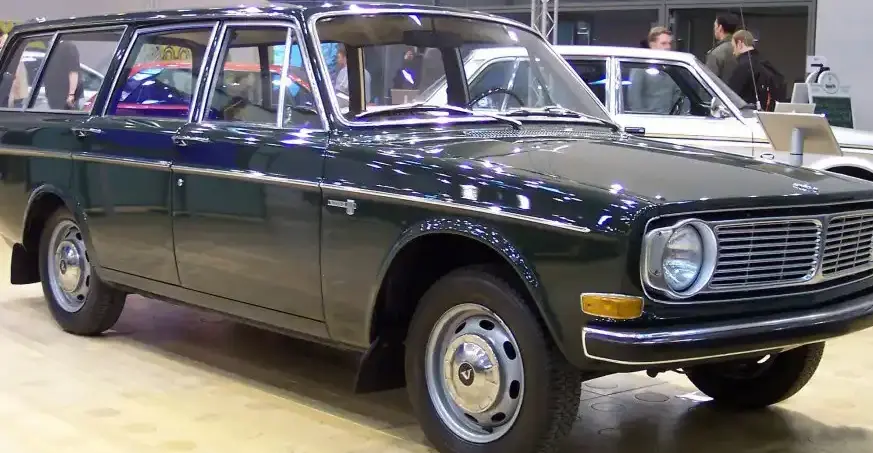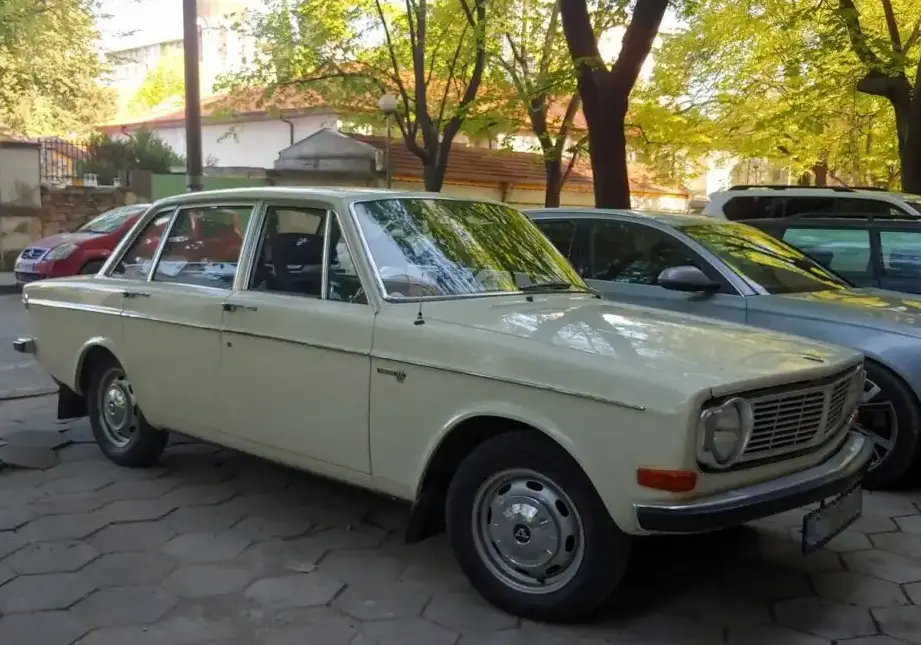
The Volvo 140 series, encompassing the 142, 144, and 145 models, represented a significant step forward for the Swedish automaker in the early 1970s. Produced from 1966 to 1974 (with some production extending into 1975), the 140 series was Volvo’s first foray into a more mainstream, internationally competitive sedan. The 2.0 S variant, powered by the B20B engine producing 116 horsepower, was a key part of the lineup from 1972 to 1975. It offered a balance of performance and economy, aimed at buyers seeking a comfortable and reliable family car with a touch more refinement than the base models. This model occupied a mid-range position within the 140 series, slotting above the lower-powered 1.6L versions and below the more performance-oriented 144S with its dual carburetors.
Technical Specifications
| Brand | Volvo |
| Model | 140 |
| Generation | 140 (142, 144) |
| Type (Engine) | 2.0 S (116 Hp) |
| Start of Production | 1972 |
| End of Production | 1975 |
| Powertrain Architecture | Internal Combustion Engine |
| Body Type | Sedan |
| Fuel Type | Petrol (Gasoline) |
| Power | 116 Hp |
| Engine Model/Code | B20B |
| Engine Aspiration | Naturally Aspirated |
| Engine Oil Capacity | 3.8 l (4.02 US qt | 3.34 UK qt) |
| Fuel Tank Capacity | 58 l (15.32 US gal | 12.76 UK gal) |
Powertrain & Engine Architecture
The heart of the 2.0 S was the Volvo B20B engine, a 1,986 cc (121.1 cubic inch) inline-four cylinder. This engine was an evolution of the earlier B20A, featuring a slightly increased compression ratio and revised camshaft timing to deliver the 116 horsepower at 5,800 rpm and 128 lb-ft of torque at 3,500 rpm. The B20B utilized a single SU carburetor, a departure from the dual-carb setups found on the higher-performance 144S. The engine block was cast iron, providing durability, while the cylinder head was aluminum, aiding in heat dissipation. The valvetrain employed an overhead valve (OHV) configuration with a single camshaft.
The 2.0 S was typically paired with a three-speed automatic transmission with overdrive, although a four-speed manual transmission was also available as an option. The automatic transmission was designed for smooth, comfortable shifts, prioritizing ease of driving over outright performance. It featured a torque converter for smooth launches and a relatively simple design, contributing to its reliability. The overdrive function, selectable by the driver, allowed for lower engine speeds at highway cruising, improving fuel economy and reducing noise.
Driving Characteristics
The Volvo 140 2.0 S with the automatic transmission offered a comfortable and relaxed driving experience. Acceleration was adequate for the time, with a 0-60 mph time estimated around 12-13 seconds. However, it wasn’t a particularly sporty car. The automatic transmission, while smooth, did sap some power compared to the manual version. The gear ratios were optimized for cruising, meaning the engine often felt strained during hard acceleration. Compared to the manual transmission, the automatic version felt less responsive and engaging. The 144S, with its dual carburetors and available manual transmission, offered a noticeably more spirited driving experience. The suspension, while comfortable, leaned towards a softer setup, prioritizing ride quality over sharp handling. Steering was relatively heavy, typical of cars from this era.
Equipment & Trim Levels
The 2.0 S trim level offered a step up in features compared to the base 140 models. Standard equipment typically included cloth upholstery, a wood-trimmed dashboard, and a more comprehensive instrument cluster. Features like a radio, heater, and whitewall tires were generally standard. Optional extras included air conditioning, a vinyl roof, and upgraded sound systems. The interior was known for its comfortable and spacious seating, reflecting Volvo’s commitment to passenger safety and well-being. The dashboard layout was functional and straightforward, with clearly marked gauges and controls. The 2.0 S often featured a slightly more refined interior trim than the base models, with higher-quality materials and finishes.
Chassis & Braking
The Volvo 140 series utilized a robust body-on-frame construction, contributing to its inherent strength and durability. The suspension consisted of independent front suspension with coil springs and a solid rear axle with leaf springs. The 2.0 S typically featured stabilizer bars on both the front and rear axles, helping to reduce body roll during cornering. Braking was initially accomplished with drum brakes on all four wheels, but later models (particularly from 1973 onwards) often featured front disc brakes for improved stopping power. The braking system was hydraulic, providing reliable and consistent performance. The steering was a recirculating ball system, offering a relatively direct feel but requiring some effort at low speeds.
Market Reception & Comparison
The Volvo 140 2.0 S was generally well-received by automotive critics and consumers alike. It was praised for its safety, reliability, and comfortable ride. However, some critics noted its relatively modest performance and somewhat dated styling. Compared to other cars in its class, such as the BMW 2002 or the Mercedes-Benz 200, the 140 2.0 S offered a different set of priorities. While the German cars emphasized performance and handling, the Volvo focused on safety, practicality, and long-term durability. Fuel economy was reasonable for the time, averaging around 18-22 mpg in mixed driving. The automatic transmission version typically saw slightly lower fuel economy than the manual.
Legacy
The Volvo 140 series, and the 2.0 S variant in particular, has earned a reputation as a durable and reliable classic car. The B20B engine is known for its longevity and relatively simple maintenance requirements. Parts availability remains good, making it a relatively easy car to keep on the road. Today, the 140 2.0 S is a popular choice among classic car enthusiasts who appreciate its understated style, comfortable ride, and robust construction. While not a high-performance machine, it represents a significant chapter in Volvo’s history and a testament to the company’s commitment to safety and quality. Well-maintained examples command a reasonable price in the used car market, and the car continues to be enjoyed by enthusiasts around the world. The automatic transmission, while not the most desirable configuration for performance enthusiasts, remains a reliable and comfortable option for everyday driving.