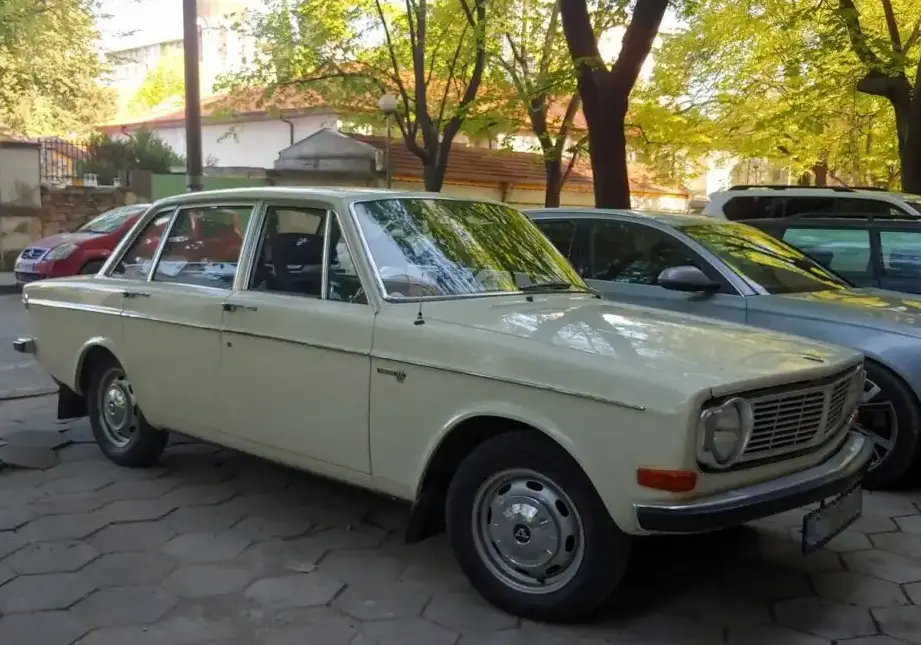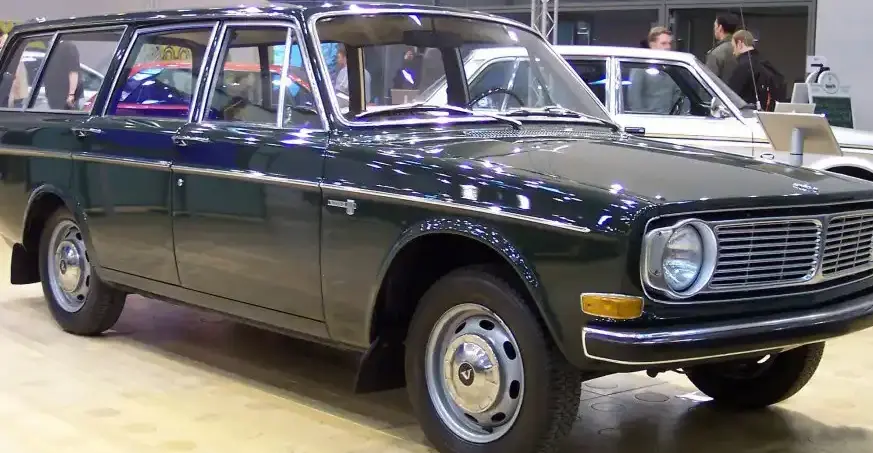
The Volvo 145, part of the broader 140 series, represented Volvo’s entry into the growing station wagon market in the early 1970s. Produced from 1972 to 1974, the 2.0 S (101 hp) variant occupied a middle ground within the 145 lineup, offering a balance between affordability, practicality, and reasonable performance. This model, built on the robust and safety-focused foundations of the 140 series, aimed to provide a comfortable and reliable family vehicle for the European market, and later, a limited introduction to North America. It was a period where Volvo was establishing a reputation for building durable, boxy, and exceptionally safe cars, and the 145 2.0 S embodied these principles.
Technical Specifications
| Brand | Volvo |
| Model | 140 |
| Generation | 140 Combi (145) |
| Type (Engine) | 2.0 S (101 Hp) |
| Start of production | 1972 |
| End of production | 1974 |
| Powertrain Architecture | Internal Combustion engine |
| Body type | Station wagon (estate) |
| Seats | 5 |
| Doors | 5 |
| Fuel Type | Petrol (Gasoline) |
| Power | 101 Hp |
| Engine aspiration | Naturally aspirated engine |
| Fuel tank capacity | 58 l (15.32 US gal | 12.76 UK gal) |
Powertrain & Engine Architecture
The 2.0 S variant of the Volvo 145 was powered by a 1,986 cc (121.1 cu in) inline-four cylinder engine. This engine, designated the B20S, was a naturally aspirated, overhead valve (OHV) design. It featured a cast iron block and an aluminum cylinder head, a common configuration for Volvo engines of the era. The ‘S’ designation indicated the presence of a Solex carburetor, providing fuel delivery. While not a high-performance engine, the B20S was known for its durability and relatively smooth operation. The engine produced 101 horsepower at 5,200 rpm and 106 lb-ft of torque at 3,000 rpm. The engine utilized a relatively simple ignition system for the time, relying on a distributor and points. The automatic transmission paired with this engine was a three-speed Borg-Warner unit. This transmission, while providing convenience, was not known for its responsiveness or efficiency compared to the available four-speed manual transmission.
Driving Characteristics
The 145 2.0 S with the automatic transmission offered a comfortable, if not particularly exciting, driving experience. Acceleration was adequate for everyday driving, but the automatic transmission sapped some of the engine’s power. The three-speed automatic had relatively wide gear ratios, meaning the engine often operated at higher RPMs during cruising, impacting fuel economy. Compared to the manual transmission versions, the automatic 2.0 S felt noticeably slower, especially when attempting to overtake or climb hills. The suspension, consisting of independent front suspension with coil springs and a solid rear axle with leaf springs, provided a reasonably comfortable ride, absorbing bumps and imperfections in the road. However, the car’s weight and the relatively soft suspension settings resulted in noticeable body roll during cornering. Steering was unassisted, requiring a bit of effort, particularly at low speeds.
Equipment & Trim Levels
The 2.0 S trim level positioned the 145 as a step up from the base models, but below the more luxurious 164 variants. Standard equipment included cloth upholstery, a basic AM radio, and heated rear window. The interior was functional and durable, prioritizing practicality over luxury. The dashboard featured a straightforward layout with clearly marked gauges for speed, fuel level, coolant temperature, and oil pressure. Optional extras included a vinyl roof, upgraded audio systems, and power steering (though this was rare on the 2.0 S). Interior color schemes were typically conservative, with shades of brown, beige, and dark blue being common. The 145’s spacious interior and large cargo area were key selling points, making it a popular choice for families.
Chassis & Braking
The Volvo 145 2.0 S utilized a robust body-on-frame construction, contributing to its durability and crashworthiness. The front suspension featured independent coil springs and wishbones, while the rear suspension employed a solid axle with leaf springs. Brakes were disc brakes on the front wheels and drum brakes on the rear wheels. The braking system, while adequate for the car’s weight and performance, lacked the stopping power of more modern systems. The car’s relatively narrow tires and limited grip further contributed to its modest handling characteristics. Stabilizer bars were fitted to both the front and rear axles, helping to reduce body roll, but their effectiveness was limited by the car’s overall weight and suspension design.
Market Reception & Comparison
The Volvo 145 2.0 S was generally well-received by automotive critics and consumers alike. It was praised for its safety, durability, and practicality. However, the automatic transmission was often criticized for its sluggish performance and lack of responsiveness. Compared to the manual transmission versions, the 2.0 S Automatic offered less engaging driving experience. Fuel economy was also a concern, averaging around 18-22 mpg in real-world driving. The 145 2.0 S competed with other European station wagons of the time, such as the Volkswagen Variant and the Ford Estate. However, the Volvo offered a distinct advantage in terms of safety features and build quality. Compared to the higher-spec 164 models, the 2.0 S was more affordable and accessible to a wider range of buyers.
Legacy
The Volvo 145 2.0 S, while not the most powerful or technologically advanced car of its era, has earned a reputation as a reliable and durable classic. The B20S engine is known for its longevity, and many examples are still on the road today. The automatic transmission, while not particularly sophisticated, has proven to be reasonably reliable with proper maintenance. In the used car market, the 145 2.0 S is sought after by enthusiasts who appreciate its classic styling, practicality, and Volvo’s commitment to safety. Parts availability is generally good, although some trim-specific components can be difficult to find. The 145 series, as a whole, played a significant role in establishing Volvo’s reputation as a manufacturer of safe, durable, and family-friendly vehicles, a legacy that continues to this day. The 2.0 S automatic, while often overlooked in favor of its manual counterparts, remains a charming and practical example of 1970s automotive engineering.