
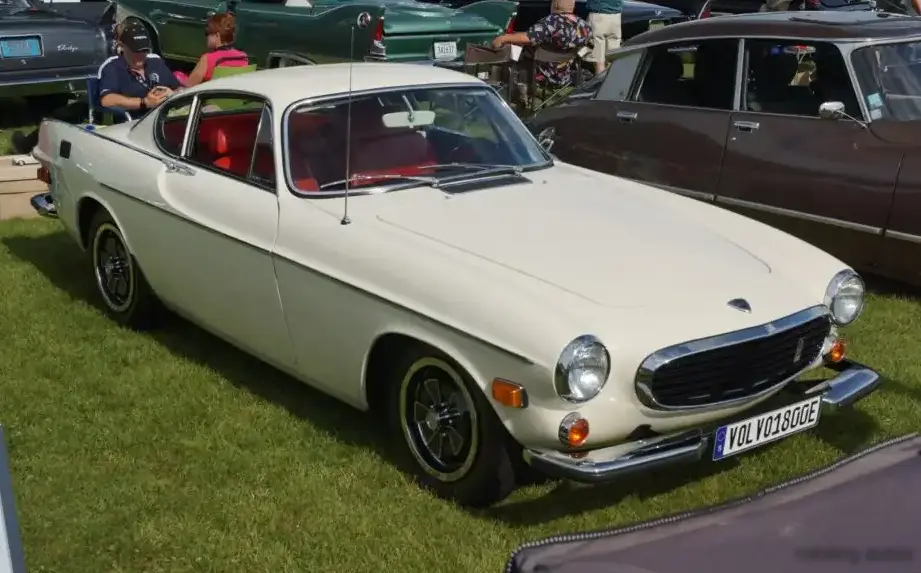
The Volvo 1800E 2.0, produced between 1969 and 1970, represents a refinement of the iconic 1800 series, a grand touring coupe that established Volvo as a maker of stylish and capable automobiles. Positioned as a mid-range offering within the 1800 lineup, the “E” designation signified the final evolution of the original P1800 design, incorporating a larger 2.0-liter engine and various mechanical improvements. This variant aimed to balance performance with everyday usability, appealing to drivers seeking a sophisticated and reliable sports coupe. The 1800E 2.0 was a key model in Volvo’s export strategy, particularly in North America, where its distinctive styling and robust construction resonated with buyers.
Technical Specifications
| Brand | Volvo |
| Model | 1800 |
| Generation | 1800E |
| Type (Engine) | 2.0 (130 Hp) |
| Start of production | 1969 |
| End of production | 1970 |
| Powertrain Architecture | Internal Combustion engine |
| Body type | Coupe |
| Seats | 4 |
| Doors | 2 |
| Fuel Type | Petrol (Gasoline) |
| Acceleration 0 – 100 km/h | 9.5 sec |
| Acceleration 0 – 62 mph | 9.5 sec |
| Acceleration 0 – 60 mph | 9 sec |
| Maximum speed | 190 km/h (118.06 mph) |
| Weight-to-power ratio | 8.7 kg/Hp, 115 Hp/tonne |
| Weight-to-torque ratio | 6.4 kg/Nm, 155.8 Nm/tonne |
| Power | 130 Hp @ 5800 rpm |
| Power per litre | 65.5 Hp/l |
| Torque | 176 Nm @ 3500 rpm (129.81 lb.-ft. @ 3500 rpm) |
| Engine layout | Front, Longitudinal |
| Engine Model/Code | B20E |
| Engine displacement | 1986 cm3 (121.19 cu. in.) |
| Number of cylinders | 4 |
| Engine configuration | Inline |
| Cylinder Bore | 88.9 mm (3.5 in.) |
| Piston Stroke | 80 mm (3.15 in.) |
| Compression ratio | 10.5:1 |
| Number of valves per cylinder | 2 |
| Fuel injection system | Multi-port manifold injection |
| Engine aspiration | Naturally aspirated engine |
| Valvetrain | OHV |
| Engine oil capacity | 3.75 l (3.96 US qt | 3.3 UK qt) |
| Coolant | 8.5 l (8.98 US qt | 7.48 UK qt) |
| Kerb Weight | 1130 kg (2491.22 lbs) |
| Fuel tank capacity | 45 l (11.89 US gal | 9.9 UK gal) |
| Length | 4400 mm (173.23 in) |
| Width | 1700 mm (66.93 in) |
| Height | 1285 mm (50.59 in) |
| Wheelbase | 2450 mm (96.46 in) |
| Front track | 1315 mm (51.77 in) |
| Rear track | 1315 mm (51.77 in) |
| Ride height (ground clearance) | 155 mm (6.1 in) |
| Minimum turning circle | 10 m (32.81 ft) |
| Drivetrain Architecture | Rear wheel drive |
| Number of gears and type of gearbox | 4 gears, manual transmission |
| Front suspension | Coil spring, Wishbone, Transverse stabilizer |
| Rear suspension | Rigid axle suspension, Trailing arm, Coil spring |
| Front brakes | Disc |
| Rear brakes | Disc |
| Tires size | 165/80 R15 |
| Wheel rims size | 5J x 15 |
Powertrain & Engine Architecture
The heart of the 1800E 2.0 is the B20E engine, a 1986cc inline-four cylinder unit. This engine represented a significant upgrade from the earlier 1.8-liter versions, offering increased power and torque. The B20E featured a cast iron block and an aluminum cylinder head, a common configuration for Volvo engines of the era. It employed a Solex-Zenith 36IV carburetor, a multi-port manifold injection system, and an overhead valve (OHV) valvetrain. The 10.5:1 compression ratio contributed to the engine’s respectable output for its time. The four-speed manual transmission was standard, providing a direct connection to the rear wheels. The B20E was known for its durability and relatively simple maintenance requirements, characteristics that contributed to the 1800’s reputation for reliability.
Driving Characteristics
The 1800E 2.0 with the manual transmission offered a balanced driving experience. While not a high-performance sports car by modern standards, the 130 horsepower engine provided adequate power for spirited driving. Acceleration to 60 mph took around 9 seconds, and the car could reach a top speed of approximately 118 mph. The four-speed gearbox offered well-spaced ratios, allowing the driver to keep the engine in its optimal power band. The rear-wheel-drive layout provided a traditional driving feel, and the relatively lightweight construction (around 2491 lbs) contributed to nimble handling. Compared to the later fuel-injected versions, the carbureted B20E required more frequent tuning, but offered a more raw and engaging driving experience.
Equipment & Trim Levels
The 1800E 2.0 was generally well-equipped for its time. Standard features included comfortable bucket seats, a wood-trimmed dashboard, and a comprehensive instrument panel. The interior was typically upholstered in vinyl or cloth, with options for leather upgrades. Other available options included a sunroof, overdrive, and a more sophisticated stereo system. The “E” designation also included improved ventilation and heating systems compared to earlier models. The overall aesthetic was one of understated elegance, reflecting Volvo’s commitment to functional design.
Chassis & Braking
The 1800E 2.0 utilized a robust chassis with independent front suspension featuring coil springs, wishbones, and a transverse stabilizer bar. The rear suspension employed a rigid axle with trailing arms and coil springs. This setup provided a comfortable ride while maintaining good handling characteristics. Disc brakes were fitted to all four wheels, offering effective stopping power. The steering was a traditional recirculating ball system, providing a direct and communicative feel. The 165/80 R15 tires offered a good balance of grip and ride comfort.
Market Reception & Comparison
The Volvo 1800E 2.0 was generally well-received by automotive critics. It was praised for its stylish design, comfortable interior, and reliable powertrain. Compared to other sports coupes of the era, such as the MG B or the Triumph TR6, the Volvo offered a more refined and practical driving experience. The B20E engine, while not the most powerful in its class, was known for its durability and fuel efficiency. The 1800E 2.0 was positioned as a more sophisticated alternative to the more overtly sporty British roadsters.
Legacy
The Volvo 1800E 2.0 remains a highly sought-after classic car today. Its distinctive styling and robust construction have ensured its enduring appeal. The B20E engine is known for its longevity, and well-maintained examples can still provide reliable service. The 1800 series, as a whole, played a significant role in establishing Volvo’s reputation for safety and quality. In the used car market, the 1800E 2.0 commands a premium price, particularly for well-preserved examples with original features. It represents a significant piece of automotive history, embodying the spirit of 1960s grand touring.
