
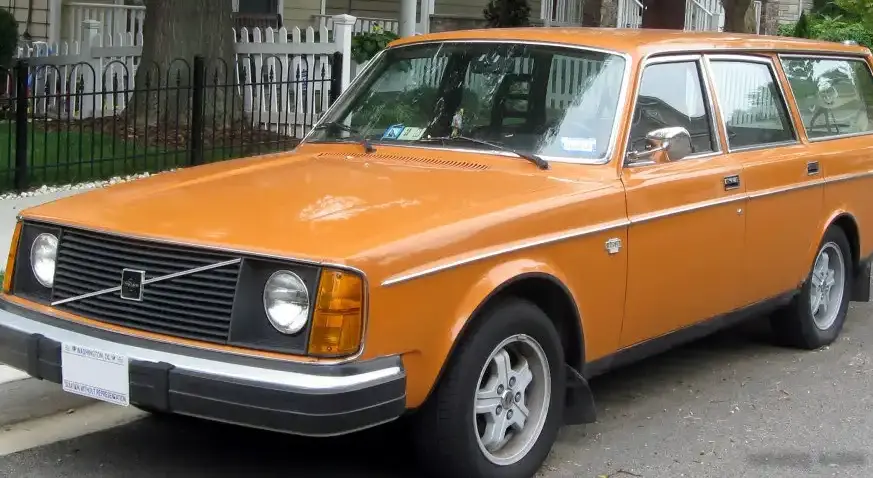
The Volvo 240 Combi (P245) 2.0, produced from 1984 to 1985, represents a specific iteration within the long-running and highly respected Volvo 240 series. This variant, powered by the B200K engine producing 103 horsepower, occupied a middle ground in the 240 Combi lineup, offering a balance between affordability, practicality, and Volvo’s renowned safety features. The P245 designation specifically refers to the five-door station wagon (estate) body style, a popular choice for families and those requiring substantial cargo space. It was built upon the foundation of the 240 series, known for its robust construction and longevity, and served as a practical and reliable vehicle in both European and North American markets.
Technical Specifications
| Brand | Volvo |
| Model | 240 |
| Generation | 240 Combi (P245) |
| Type (Engine) | 2.0 (103 Hp) |
| Start of Production | 1984 |
| End of Production | 1985 |
| Powertrain Architecture | Internal Combustion Engine |
| Body Type | Station Wagon (Estate) |
| Seats | 5 |
| Doors | 5 |
| Fuel Type | Petrol (Gasoline) |
| Power | 103 Hp |
| Engine Model/Code | B200K |
| Engine Aspiration | Naturally Aspirated |
| Engine Oil Capacity | 3.9 l (4.12 US qt | 3.43 UK qt) |
| Coolant Capacity | 9.4 l (9.93 US qt | 8.27 UK qt) |
Powertrain & Engine Architecture
The heart of the 240 Combi 2.0 is the B200K engine, a 1,986 cc (121.1 cubic inch) inline-four cylinder powerplant. This engine is a descendant of Volvo’s long-standing red-block series, known for its over-engineered durability. The B200K featured a cast iron block and an aluminum cylinder head, employing a single overhead camshaft (SOHC) design operating two valves per cylinder. Fuel delivery was managed by Bosch K-Jetronic mechanical fuel injection, a system favored for its reliability and relatively simple maintenance compared to early electronic fuel injection systems. While not offering the performance of the later fuel-injected systems, K-Jetronic provided consistent fuel metering and contributed to the engine’s smooth operation. The engine’s 103 horsepower and approximately 109 lb-ft of torque were delivered at relatively low engine speeds, prioritizing usability over outright performance. The automatic transmission paired with this engine was typically a three-speed Borg-Warner unit, chosen for its robustness and ease of use. This transmission was not known for its quick shifts or fuel efficiency, but it aligned with the intended character of the vehicle – a comfortable and dependable family wagon.
Driving Characteristics
The 2.0-liter, 103 hp engine coupled with the three-speed automatic transmission resulted in a driving experience focused on comfort and practicality rather than sporty acceleration. Acceleration from 0 to 60 mph was typically in the 12-14 second range, making it adequate for everyday driving but not particularly quick by contemporary standards. The automatic transmission’s gear ratios were geared towards relaxed cruising, with a relatively short first gear for initial acceleration and taller ratios for highway efficiency. However, the transmission could feel sluggish when attempting to make quick passes or climb steep hills. Compared to the manual transmission versions of the 240, the automatic significantly reduced driver engagement and responsiveness. The 240 Combi 2.0 was also noticeably slower than the 240 models equipped with the larger 2.1 or 2.3-liter engines. Despite the modest power output, the Volvo’s robust chassis and well-tuned suspension provided a comfortable and stable ride, even when fully loaded with passengers and cargo.
Equipment & Trim Levels
The 240 Combi 2.0 typically came equipped with a reasonable level of standard features for its time. These included cloth upholstery, a basic AM/FM radio, and manual windows and door locks. Power steering was often included, but air conditioning was frequently an optional extra. Interior trim was generally functional and durable, reflecting Volvo’s emphasis on practicality. Optional extras included a sunroof, upgraded audio systems, and more comfortable seating options. The 240 Combi 2.0 generally sat in the mid-range of the 240 lineup, offering more features than the base models but lacking the luxury appointments found in the higher-end trims like the GL. Safety features, such as front disc brakes and a reinforced passenger safety cage, were standard across the entire 240 range, underscoring Volvo’s commitment to occupant protection.
Chassis & Braking
The Volvo 240 Combi 2.0 utilized a robust and traditional chassis design. It featured a front independent suspension with MacPherson struts and a rear live axle with leaf springs. This setup provided a comfortable ride and good load-carrying capacity, essential for a station wagon. Braking was accomplished via front disc brakes and rear drum brakes. While adequate for most driving situations, the rear drum brakes were a point of criticism compared to the all-disc brake setups found on some higher-spec 240 models. The steering was a recirculating ball system, providing a stable but somewhat indirect feel. Stabilizer bars were typically fitted to both the front and rear axles, helping to reduce body roll during cornering. The chassis was designed with safety in mind, incorporating a reinforced passenger safety cage to protect occupants in the event of a collision.
Market Reception & Comparison
The Volvo 240 Combi 2.0 was generally well-received by critics and consumers alike. It was praised for its practicality, durability, and safety features. However, the automatic transmission and relatively modest power output were often cited as drawbacks. Compared to the manual transmission versions, the automatic was considered less engaging and slower. Compared to the higher-output 240 models, the 2.0 offered less performance but at a lower price point. Fuel economy was reasonable for the time, averaging around 20-25 mpg in mixed driving conditions. Reliability was a major strength of the 240 Combi 2.0, with many examples remaining on the road for decades. The combination of a durable engine, robust transmission, and simple mechanical design contributed to its long-term dependability.
Legacy
The Volvo 240 Combi 2.0, and the 240 series as a whole, has achieved a legendary status among automotive enthusiasts. Its reputation for reliability and longevity has made it a popular choice for restoration projects and classic car collectors. The B200K engine, while not particularly powerful, is known for its durability and relatively simple maintenance. The three-speed automatic transmission, while not a performance standout, has proven to be remarkably robust. Today, well-maintained examples of the 240 Combi 2.0 command respectable prices in the used car market, reflecting their enduring appeal and the growing appreciation for classic Volvo models. The 240 series, and particularly the Combi, remains a symbol of Volvo’s commitment to safety, practicality, and enduring quality.
