
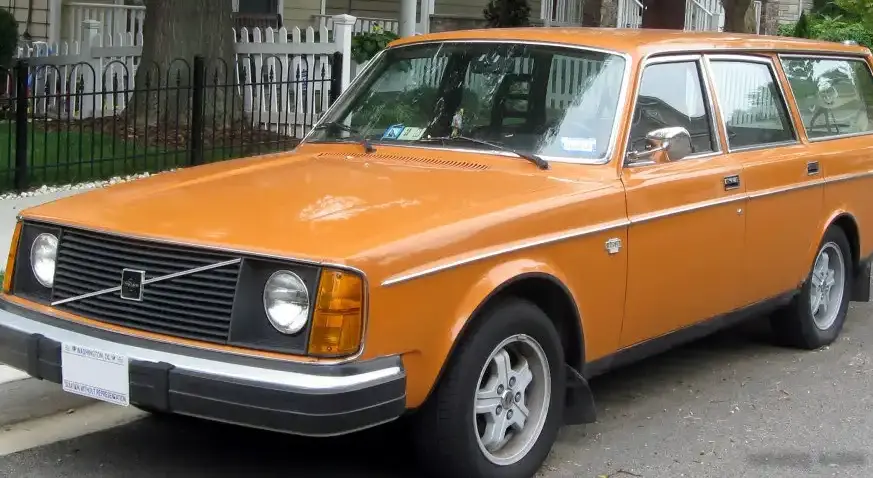
The Volvo 240 Combi, specifically the P245 variant powered by the 2.0-liter B19A engine producing 90 horsepower, represents a cornerstone of Volvo’s reputation for safety, durability, and practicality. Produced from 1976 to 1982, this iteration of the 240 series estate car served as a family-oriented vehicle, particularly popular in Europe and North America. It occupied a middle-ground position within the 240 Combi lineup, offering a balance between affordability and usability, slotting below the more powerful 2.1-liter and turbocharged models. The P245, internally designated as such due to its estate body style, was a key component of Volvo’s second generation of the 240 series, built on the robust and long-lived P24 platform.
Technical Specifications
| Brand | Volvo |
| Model | 240 |
| Generation | 240 Combi (P245) |
| Type (Engine) | 2.0 (90 Hp) |
| Start of Production | 1976 |
| End of Production | 1982 |
| Powertrain Architecture | Internal Combustion Engine |
| Body Type | Station Wagon (Estate) |
| Seats | 5 |
| Doors | 5 |
| Fuel Type | Petrol (Gasoline) |
| Power | 90 Hp |
| Engine Model/Code | B19A |
| Engine Aspiration | Naturally Aspirated |
Powertrain & Engine Architecture
The heart of the P245 2.0 was the Volvo B19A engine, a 1,986 cc (121.1 cubic inch) inline-four cylinder powerplant. This engine was a descendant of Volvo’s long-running ‘Redblock’ family, known for its over-engineered robustness. The B19A featured a cast iron block and cylinder head, a simple overhead valve (OHV) valvetrain with a single camshaft, and a two-barrel Solex carburetor. While not a high-performance engine, the B19A was designed for reliability and low-end torque. The fuel system utilized a mechanical fuel pump and the carburetor was tuned for smooth operation and reasonable fuel economy. The engine’s relatively low compression ratio (typically around 8.5:1) allowed it to run reliably on lower octane gasoline, a significant benefit in many markets.
Paired with the B19A was a three-speed automatic transmission with overdrive. This transmission, while not particularly sophisticated by modern standards, was durable and provided comfortable cruising. The automatic transmission was chosen by many buyers for its ease of use, particularly in city driving. The gear ratios were optimized for relaxed acceleration and highway efficiency, prioritizing usability over outright performance. The overdrive function, selectable by the driver, helped to reduce engine speed at highway speeds, improving fuel economy and reducing noise.
Driving Characteristics
The 240 Combi 2.0 Automatic offered a distinctly unhurried driving experience. With 90 horsepower propelling a relatively heavy vehicle (around 2,800-3,000 lbs), acceleration was modest. Zero to sixty mph times were typically in the 12-14 second range. However, the engine’s torque characteristics meant that it felt reasonably responsive in everyday driving situations. The automatic transmission, while smooth, did contribute to a slight loss of power compared to the available manual transmission versions. The gear changes were not particularly quick, and the overdrive function could sometimes feel hesitant when engaging. Compared to the 2.1-liter or turbocharged 240s, the 2.0 Automatic lacked the punch for spirited driving or quick overtaking maneuvers. However, it excelled as a comfortable and reliable family hauler, capable of carrying passengers and cargo with ease.
Equipment & Trim Levels
The P245 2.0 Automatic typically came equipped with a fairly basic level of standard features, reflecting its position as a mid-range model. Standard equipment generally included cloth upholstery, vinyl flooring, and a basic AM/FM radio. Power steering was often an optional extra, as was air conditioning. The dashboard layout was functional and straightforward, with clearly marked gauges for speed, fuel level, coolant temperature, and oil pressure. Interior trim levels varied depending on the market, but generally consisted of durable, practical materials designed to withstand heavy use. Optional extras included sunroofs, upgraded sound systems, and more comfortable seating options. The exterior trim was relatively simple, with chrome bumpers and brightwork adding a touch of elegance.
Chassis & Braking
The 240 Combi featured a robust and well-engineered chassis. It utilized a MacPherson strut front suspension and a solid axle rear suspension with leaf springs. This suspension setup provided a comfortable ride, although it wasn’t particularly sporty. The steering was a recirculating ball system, which offered good feel but required a fair amount of effort. Braking was initially accomplished with front disc brakes and rear drum brakes. Later models often featured disc brakes all around, providing improved stopping power. The braking system was known for its reliability and effectiveness, contributing to the 240’s reputation for safety. Stabilizer bars were typically fitted to both the front and rear axles, helping to reduce body roll during cornering.
Market Reception & Comparison
The Volvo 240 Combi 2.0 Automatic was generally well-received by critics and buyers alike. It was praised for its practicality, durability, and safety features. While not the fastest or most luxurious estate car on the market, it offered a compelling combination of value and usability. Compared to the more powerful 240 variants, the 2.0 Automatic was more affordable to purchase and operate. Fuel economy was reasonable for the time, typically around 20-25 mpg. However, the 2.1-liter and turbocharged models offered significantly better performance, albeit at a higher price. The 2.0 Automatic was often seen as a sensible choice for families who prioritized reliability and practicality over outright performance.
Legacy
The Volvo 240 Combi 2.0 Automatic has earned a devoted following among classic car enthusiasts. The B19A engine is known for its exceptional longevity, and many examples are still on the road today with minimal maintenance. The simple mechanical design makes it relatively easy to repair and maintain, even for amateur mechanics. Parts availability remains good, thanks to a strong aftermarket support network. The P245 2.0 Automatic is now considered a desirable classic, appreciated for its timeless design, robust construction, and enduring appeal. Its reputation for safety and reliability continues to resonate with owners, making it a popular choice for those seeking a practical and dependable vintage vehicle. The car represents a high point in Volvo’s engineering philosophy, prioritizing passenger safety and long-term durability above all else.
