
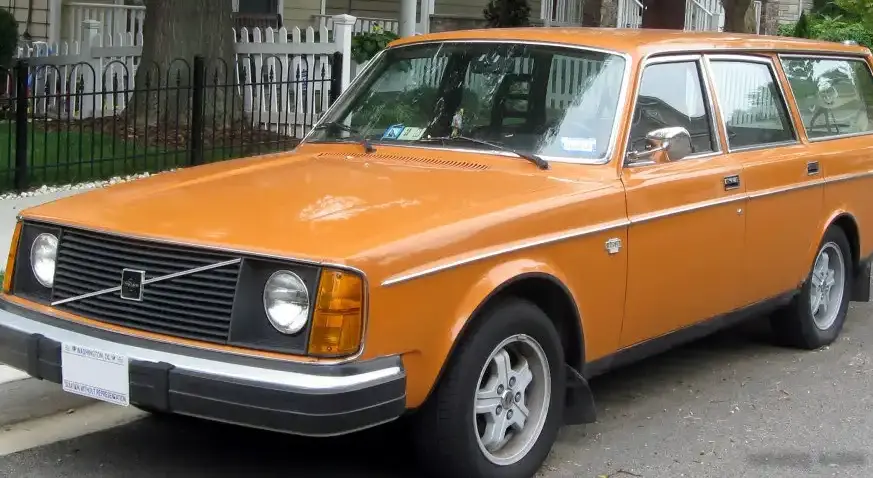
The Volvo 240 Combi, specifically the P245 variant with the 2.3-liter (110 horsepower) engine, represents a sweet spot in the long-running 240 series. Produced from 1984 to 1986, this configuration offered a practical and reliable estate car option for families and those needing substantial cargo space. It sat within the second generation of the 240 series, known for its robust build quality and commitment to safety, and was a popular choice in both European and North American markets. The P245, denoting the estate body style, was a cornerstone of Volvo’s reputation for durable, long-lasting vehicles.
Technical Specifications
| Brand | Volvo |
| Model | 240 |
| Generation | 240 Combi (P245) |
| Type (Engine) | 2.3 (110 Hp) |
| Start of Production | 1984 |
| End of Production | 1986 |
| Powertrain Architecture | Internal Combustion Engine |
| Body Type | Station Wagon (Estate) |
| Seats | 5 |
| Doors | 5 |
| Fuel Type | Petrol (Gasoline) |
| Power | 110 Hp |
| Engine Model/Code | B230A |
| Engine Aspiration | Naturally Aspirated |
| Engine Oil Capacity | 3.85 l (4.07 US qt | 3.39 UK qt) |
| Coolant Capacity | 9.5 l (10.04 US qt | 8.36 UK qt) |
Powertrain & Engine Architecture
The heart of the P245 2.3 was the B230A engine, a 2.3-liter inline-four cylinder powerplant. This engine was a development of Volvo’s ‘Redblock’ family, known for its over-engineered durability. The B230A featured a cast iron block and an aluminum cylinder head, contributing to its longevity. Fuel delivery was handled by Bosch mechanical fuel injection – a system chosen for its reliability and relative simplicity compared to emerging electronic fuel injection systems of the time. The engine utilized a single overhead camshaft (SOHC) valvetrain, operating two valves per cylinder. The 110 horsepower output was achieved through a relatively conservative compression ratio and a focus on torque delivery rather than peak power. This engine was paired with a four-speed automatic transmission, offering smooth, if not particularly sporty, gear changes. The automatic transmission was a Borg-Warner unit, chosen for its robustness and ability to handle the engine’s torque.
Driving Characteristics
The 2.3-liter automatic P245 offered a comfortable and relaxed driving experience. Acceleration was adequate for everyday driving, but it wasn’t a performance-oriented vehicle. The automatic transmission, while smooth, did sap some power compared to the available manual transmission options. Gear ratios were geared towards fuel efficiency and cruising comfort, rather than rapid acceleration. The engine delivered its peak torque at relatively low RPMs, making it well-suited for hauling loads or navigating hilly terrain. Compared to the later 240 Turbo models, or even the 2.1-liter carbureted versions, the 2.3 automatic was noticeably slower. However, it provided a more refined and less demanding driving experience, particularly in urban environments. The focus was on usability and dependability, rather than outright speed.
Equipment & Trim Levels
The P245 2.3 automatic typically came with a fairly comprehensive list of standard features for the mid-1980s. Interior upholstery was generally cloth, available in a variety of colors and patterns. The dashboard layout was functional and straightforward, with clearly marked gauges and controls. Power steering was often included, making maneuvering easier, especially with a fully loaded vehicle. Other standard features included a radio (often an AM/FM cassette player), heated rear window, and intermittent wipers. Optional extras included a sunroof, upgraded sound system, and leather upholstery. The trim level generally fell into the mid-range of the 240 Combi lineup, offering a good balance of features and affordability. It wasn’t as spartan as the base models, but lacked the luxury appointments of the higher-end trims.
Chassis & Braking
The 240 Combi featured a robust chassis designed for durability and safety. It utilized a MacPherson strut front suspension and a solid rear axle with leaf springs. This suspension setup provided a comfortable ride, although it wasn’t particularly sporty. The P245 2.3 typically came equipped with disc brakes on the front wheels and drum brakes on the rear. This configuration was adequate for the vehicle’s weight and intended use. A stabilizer bar was fitted to the front suspension to reduce body roll during cornering. The steering was a recirculating ball system, providing a stable but somewhat indirect feel. The overall chassis design prioritized safety and stability over handling precision.
Market Reception & Comparison
The Volvo 240 Combi 2.3 automatic was generally well-received by critics and consumers alike. It was praised for its practicality, reliability, and safety features. Fuel economy was reasonable for the time, although not exceptional. Compared to other trims in the 240 lineup, the 2.3 automatic offered a good compromise between performance and fuel efficiency. The manual transmission versions of the 2.3 were more engaging to drive, while the turbocharged models offered significantly more power. However, the automatic version appealed to buyers who prioritized comfort and ease of use. Compared to competitors like the Ford Sierra Estate or the Opel/Vauxhall Ascona Estate, the Volvo 240 Combi was often seen as being more durable and safer, albeit at a slightly higher price point.
Legacy
The Volvo 240 series, and the P245 Combi in particular, has achieved a legendary status for its longevity and reliability. The B230A engine is known to be capable of exceeding 300,000 miles with proper maintenance. The automatic transmission, while not as sophisticated as modern units, is also remarkably durable. Today, the P245 2.3 is a popular choice among classic car enthusiasts and those seeking a practical and dependable vehicle. Parts availability remains good, and the car’s simple mechanical design makes it relatively easy to maintain. The P245 2.3 automatic represents a high point in Volvo’s commitment to building safe, durable, and practical vehicles, and continues to be appreciated for its timeless design and enduring quality.
