
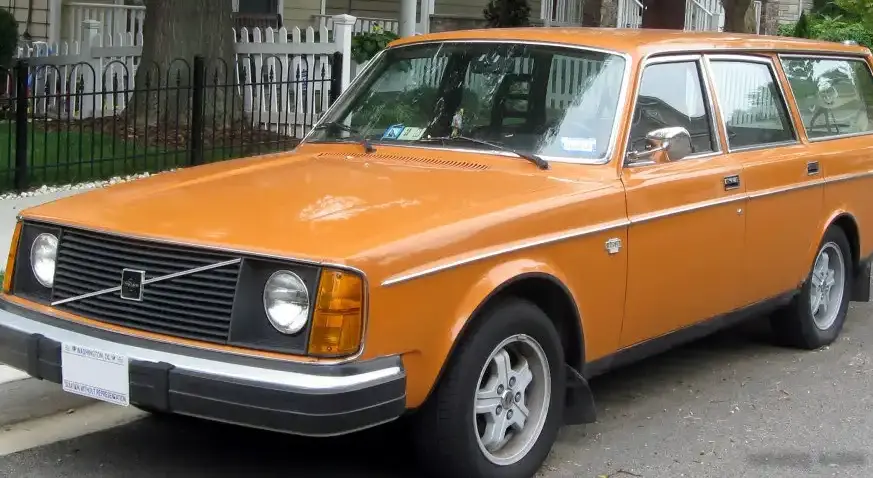
The Volvo 240 Combi, specifically the P245 variant powered by the 2.3-liter (131 hp) engine, represents a cornerstone of Volvo’s reputation for safety, durability, and practicality. Produced from 1985 to 1990, this iteration of the 240 series estate car occupied a significant middle ground within the lineup, offering a balance between performance and affordability. It was part of the broader 240 series, which spanned from 1974 to 1993, becoming iconic for its boxy yet functional design and robust construction. The P245, denoting the estate body style, was particularly popular in Europe and North America, catering to families and individuals needing ample cargo space combined with Volvo’s renowned safety features.
Technical Specifications
| Brand | Volvo |
| Model | 240 |
| Generation | 240 Combi (P245) |
| Type (Engine) | 2.3 (131 Hp) |
| Start of Production | 1985 |
| End of Production | 1990 |
| Powertrain Architecture | Internal Combustion Engine |
| Body Type | Station Wagon (Estate) |
| Seats | 5 |
| Doors | 5 |
| Fuel Type | Petrol (Gasoline) |
| Power | 131 Hp |
| Engine Model/Code | B230E |
| Engine Aspiration | Naturally Aspirated |
| Engine Oil Capacity | 3.85 l (4.07 US qt | 3.39 UK qt) |
| Coolant Capacity | 9.5 l (10.04 US qt | 8.36 UK qt) |
| Fuel Tank Capacity | 60 l (15.85 US gal | 13.2 UK gal) |
Powertrain & Engine Architecture
The heart of the P245 2.3 was the B230E engine, a 2.3-liter inline-four cylinder powerplant. This engine was a descendant of Volvo’s long-running “Redblock” family, known for its over-engineered robustness and ability to withstand significant abuse. The B230E featured a cast iron block and an aluminum cylinder head, contributing to its durability. Fuel delivery was managed by Bosch K-Jetronic mechanical fuel injection, a system favored for its reliability and relatively simple maintenance compared to early electronic fuel injection systems. The engine employed a single overhead camshaft (SOHC) valvetrain, operating two valves per cylinder. While not a high-revving engine, the B230E produced a respectable 131 horsepower and approximately 135 lb-ft of torque. This power was delivered in a smooth, predictable manner, making it well-suited for everyday driving and hauling loads. The engine was typically paired with a four-speed automatic transmission (AW71), known for its durability but also for its relatively slow shift times compared to more modern automatics. Manual transmission options were also available, offering a more engaging driving experience and slightly improved fuel economy.
Driving Characteristics
The 240 Combi 2.3 Automatic offered a comfortable, if not particularly sporty, driving experience. The automatic transmission, while reliable, wasn’t known for its quick responsiveness. Acceleration from a standstill was adequate, but passing maneuvers required planning. The gear ratios were optimized for fuel efficiency and cruising comfort rather than outright performance. The car’s substantial weight (around 3,200 lbs) further contributed to its leisurely pace. However, the B230E engine provided ample low-end torque, making it capable of handling moderate inclines and towing light trailers. The suspension, consisting of MacPherson struts in the front and a solid rear axle with leaf springs, prioritized ride comfort over sharp handling. Steering was relatively heavy but provided good feedback. Compared to the 240 Turbo or the 240 GLT with a manual transmission, the 2.3 Automatic was noticeably slower and less engaging to drive. However, it offered a more relaxed and user-friendly experience, particularly in urban environments.
Equipment & Trim Levels
The P245 2.3 typically came equipped with a reasonable level of standard features for its time. These included power steering, front disc brakes, and comfortable cloth upholstery. The interior was characterized by its functional design and durable materials. Dashboard layouts were relatively simple, with clearly marked gauges and easy-to-use controls. Optional extras included a sunroof, air conditioning, power windows, and upgraded audio systems. Higher trim levels, such as the GL, offered additional features like leather upholstery, wood trim, and more sophisticated audio systems. The base 2.3 model was positioned as a practical and affordable option, appealing to buyers who prioritized functionality and reliability over luxury.
Chassis & Braking
The 240 Combi featured a robust chassis designed for durability and safety. The front suspension utilized MacPherson struts, while the rear employed a solid axle with leaf springs. This setup provided a comfortable ride and good load-carrying capacity. Braking duties were handled by disc brakes in the front and drum brakes in the rear. While the drum brakes were adequate for normal driving, they lacked the stopping power and fade resistance of disc brakes. Later models sometimes featured rear disc brakes as an upgrade. The car’s relatively heavy weight contributed to its stability, but also increased stopping distances. A stabilizer bar was fitted to the front suspension to reduce body roll during cornering.
Market Reception & Comparison
The Volvo 240 Combi 2.3 Automatic was generally well-received by critics and consumers alike. It was praised for its safety, reliability, and practicality. However, its performance was often criticized as being underwhelming, particularly compared to more powerful rivals. Fuel economy was reasonable for its time, but not exceptional. Compared to other trims in the 240 lineup, the 2.3 Automatic offered a more affordable entry point, but at the expense of performance and some features. The 240 Turbo, for example, provided significantly more power and a more engaging driving experience, but came with a higher price tag and increased maintenance costs. The 240 GLT with a manual transmission offered a good balance between performance and affordability, but required more driver involvement.
Legacy
The Volvo 240 Combi 2.3 remains a highly regarded vehicle among enthusiasts and classic car collectors. Its reputation for durability and reliability has ensured that many examples are still on the road today. The B230E engine is known for its longevity and relatively simple maintenance requirements. While parts availability can be a challenge, many components are still readily available through specialist suppliers. The P245 2.3 Automatic is often seen as a practical and affordable classic, offering a unique blend of safety, comfort, and functionality. Its enduring popularity is a testament to Volvo’s commitment to building durable and well-engineered vehicles. In the used car market, well-maintained examples command a premium, reflecting their desirability and collectibility.
