
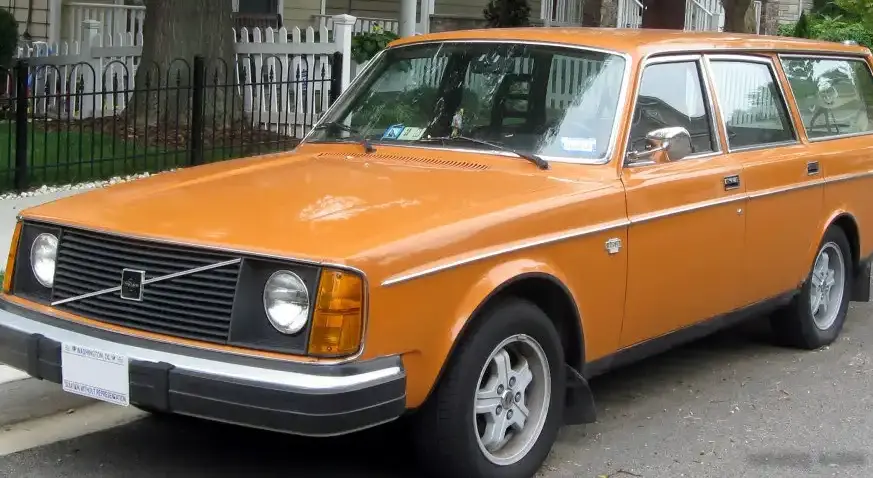
The Volvo 240 Combi (P245) 2.3, produced between 1984 and 1988, represents a refined iteration of Volvo’s long-running and immensely popular 240 series. As a station wagon variant – designated P245 – it offered a practical and durable alternative to increasingly complex and less reliable vehicles of the era. This 2.3-liter, 133 horsepower version occupied a middle ground in the 240 lineup, providing a balance between performance, fuel economy, and affordability. It was a mainstay for families and those needing a robust vehicle capable of handling demanding tasks, cementing Volvo’s reputation for safety and longevity. The P245, built on the 240 platform, was particularly successful in markets where estate cars were highly valued, including Europe and North America.
Technical Specifications
| Brand | Volvo |
| Model | 240 |
| Generation | 240 Combi (P245) |
| Type (Engine) | 2.3 (133 Hp) |
| Start of Production | 1984 |
| End of Production | 1988 |
| Powertrain Architecture | Internal Combustion Engine |
| Body Type | Station Wagon (Estate) |
| Seats | 5 |
| Doors | 5 |
| Fuel Type | Petrol (Gasoline) |
| Power | 133 Hp |
| Engine Model/Code | B230E |
| Engine Aspiration | Naturally Aspirated |
| Engine Oil Capacity | 3.85 l (4.07 US qt | 3.39 UK qt) |
| Coolant Capacity | 9.5 l (10.04 US qt | 8.36 UK qt) |
Powertrain & Engine Architecture
The heart of the 240 Combi 2.3 is the B230E engine, a 2.3-liter inline-four cylinder powerplant. This engine is a descendant of Volvo’s venerable ‘Redblock’ family, known for its over-engineered robustness. The B230E featured a cast iron block and an aluminum cylinder head, contributing to its durability. Fuel delivery was managed by Bosch K-Jetronic mechanical fuel injection, a system favored for its reliability and relative simplicity compared to emerging electronic fuel injection systems. The engine employed a single overhead camshaft (SOHC) valvetrain, operating two valves per cylinder. While not a high-revving engine, the B230E produced a respectable 133 horsepower and approximately 140 lb-ft of torque. This power was delivered in a smooth, predictable manner, making it well-suited for everyday driving and hauling loads. The engine was typically paired with a four-speed automatic transmission (AW71), known for its durability but also for its relatively conservative gear ratios. This transmission was designed for smooth operation and longevity rather than outright performance.
Driving Characteristics
The 2.3-liter automatic 240 Combi offered a comfortable and composed driving experience. Acceleration was adequate, though not particularly brisk. Zero to sixty mph times were typically in the 10-11 second range. The automatic transmission, while smooth, did contribute to a slight loss of responsiveness compared to the available manual transmission. The gear ratios were optimized for fuel economy and cruising comfort, rather than aggressive acceleration. The car felt stable and planted on the road, thanks to its relatively heavy weight and well-tuned suspension. The steering was unassisted, providing good feedback but requiring some effort, particularly at low speeds. The overall driving experience was characterized by a sense of solidity and dependability, reflecting Volvo’s engineering philosophy. Compared to the 240 Turbo, the 2.3 was significantly slower, but offered better fuel economy and lower maintenance costs. Compared to the base 2.1-liter engine, the 2.3 provided a noticeable increase in power and torque, making it a more capable all-around vehicle.
Equipment & Trim Levels
The 240 Combi 2.3 typically came with a fairly comprehensive list of standard features for its time. These included power-assisted brakes, reclining front seats, a basic AM/FM radio, and a rear window wiper. Interior upholstery was typically cloth, available in a variety of colors and patterns. Dashboard configuration was straightforward and functional, with clearly marked gauges and easy-to-use controls. Optional extras included power windows, central locking, a sunroof, and upgraded audio systems. Higher trim levels, such as the GL, added features like leather upholstery, wood trim, and more sophisticated audio systems. The P245 2.3 often served as a base for adding accessories like roof racks and tow hitches, further enhancing its practicality. Air conditioning was a popular option, particularly in warmer climates.
Chassis & Braking
The 240 Combi 2.3 utilized a robust and simple chassis design. It featured a front independent suspension with MacPherson struts and a rear live axle with leaf springs. This suspension setup provided a comfortable ride and good load-carrying capacity. Braking was initially accomplished with front disc brakes and rear drum brakes. Later models often featured rear disc brakes as standard equipment, improving stopping performance. The braking system was hydraulically assisted, providing good stopping power for a vehicle of its weight. Stabilizer bars were fitted to both the front and rear axles, helping to reduce body roll during cornering. The chassis was designed with safety in mind, incorporating crumple zones and a reinforced passenger compartment.
Market Reception & Comparison
The Volvo 240 Combi 2.3 was generally well-received by automotive critics and consumers alike. It was praised for its durability, safety, and practicality. Critics noted that the automatic transmission dulled performance somewhat, but acknowledged that it provided a comfortable and convenient driving experience. Fuel economy was considered reasonable for a vehicle of its size and weight, averaging around 20-25 mpg in mixed driving. Compared to other station wagons of the era, such as the Ford Country Squire or the Chevrolet Caprice Estate, the Volvo 240 Combi offered a more refined driving experience and a reputation for superior reliability. The 240 Turbo offered significantly more performance, but at a higher price point and with increased maintenance requirements. The base 2.1-liter models were more affordable, but lacked the power and refinement of the 2.3.
Legacy
The Volvo 240 series, and the P245 Combi in particular, has achieved a legendary status among automotive enthusiasts. The B230 engine is renowned for its longevity and ability to withstand high mileage. The automatic transmission, while not the most exciting, is also known for its durability. Today, well-maintained 240 Combis are highly sought after by collectors and enthusiasts. They are appreciated for their classic styling, simple mechanicals, and enduring reliability. Parts availability remains good, making them relatively easy to maintain and repair. The 240 Combi 2.3 represents a high point in Volvo’s history, embodying the company’s commitment to safety, durability, and practicality. It continues to be a popular choice for those seeking a classic vehicle that can be enjoyed for years to come.
