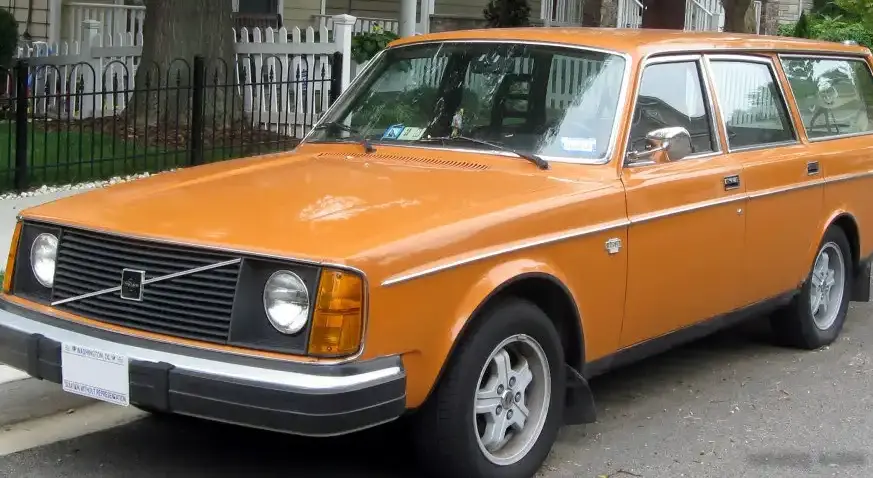
The Volvo 240 Combi (P245) 2.4 Diesel, produced from 1979 to 1993, represents a unique offering within the long-running and highly respected 240 series. This variant, powered by the D24 diesel engine, was primarily aimed at buyers seeking a practical, durable, and fuel-efficient station wagon. The P245 designation specifically refers to the five-door estate (combi) body style. It occupied a specific niche in the 240 lineup, positioned as the entry-level, economy-focused option, particularly in European markets where diesel engines were favored for their fuel economy and longevity. While gasoline-powered 240s were popular in the United States, the diesel Combi saw more limited distribution, often appealing to those prioritizing practicality over outright performance.
Technical Specifications
| Brand | Volvo |
| Model | 240 |
| Generation | 240 Combi (P245) |
| Type (Engine) | 2.4 Diesel (82 Hp) |
| Start of production | 1979 |
| End of production | 1993 |
| Powertrain Architecture | Internal Combustion engine |
| Body type | Station wagon (estate) |
| Seats | 5 |
| Doors | 5 |
| Fuel Type | Diesel |
| Power | 82 Hp |
| Engine Model/Code | D24 |
| Engine aspiration | Naturally aspirated engine |
| Engine oil capacity | 7 l (7.4 US qt | 6.16 UK qt) |
| Coolant capacity | 9.5 l (10.04 US qt | 8.36 UK qt) |
| Fuel tank capacity | 60 l (15.85 US gal | 13.2 UK gal) |
Powertrain & Engine Architecture
The heart of the 240 Combi 2.4 Diesel is the Volvo D24 engine, a 2.4-liter inline-four diesel. This engine is renowned for its robustness and simplicity. It’s a naturally aspirated engine, meaning it doesn’t utilize a turbocharger or supercharger. The D24 features indirect injection, utilizing a pre-chamber combustion system. This system, common in older diesel engines, improves combustion efficiency and reduces engine noise compared to direct injection systems of the time. The engine employs a cast iron block and head, contributing to its legendary durability. The D24’s valvetrain consists of a single overhead camshaft operating two valves per cylinder.
The transmission paired with the D24 in the 240 Combi was typically a four-speed automatic gearbox. This transmission, while not known for its sporty responsiveness, was chosen for its ease of use and suitability for the engine’s torque characteristics. The automatic transmission was geared towards maximizing fuel efficiency and providing smooth, comfortable cruising. Manual transmission options were available in other 240 diesel variants, offering a more engaging driving experience but sacrificing some convenience.
Driving Characteristics
The 240 Combi 2.4 Diesel with the automatic transmission delivers a driving experience focused on practicality and dependability rather than performance. With 82 horsepower, acceleration is modest, and overtaking requires careful planning. The automatic transmission’s gear ratios are optimized for fuel economy, resulting in a relatively relaxed driving style. The engine produces a respectable amount of torque for its displacement, providing adequate pulling power for hauling cargo or navigating hilly terrain. However, the automatic transmission can feel somewhat sluggish, particularly when downshifting. Compared to the gasoline-powered 240s, especially those equipped with the turbocharged engines, the diesel automatic is significantly slower. The manual transmission versions of the diesel 240 offered improved responsiveness and fuel economy, but the automatic prioritized ease of use for everyday driving.
Equipment & Trim Levels
The 240 Combi 2.4 Diesel typically came with a relatively basic level of equipment, reflecting its position as the entry-level variant. Standard features generally included cloth upholstery, vinyl flooring (often considered practical for a workhorse vehicle), and basic instrumentation. The dashboard layout was functional and straightforward, prioritizing usability over aesthetics. Optional extras included power windows, central locking, a sunroof, and upgraded audio systems. Higher trim levels within the 240 range, such as the GL or GLE, offered more luxurious appointments, including leather upholstery, wood trim, and more sophisticated audio systems. The diesel Combi, however, rarely received these upgrades, remaining largely focused on providing a durable and affordable transportation solution.
Chassis & Braking
The 240 Combi 2.4 Diesel utilized a robust and simple chassis design. It features a front MacPherson strut suspension and a rear solid axle with leaf springs. This suspension setup prioritized durability and load-carrying capacity over sporty handling. The braking system typically consisted of disc brakes on the front wheels and drum brakes on the rear wheels. The size of the brake discs and drums varied slightly depending on the year of manufacture. Stabilizer bars were often included, helping to reduce body roll during cornering. The chassis was designed to handle the weight of passengers and cargo, making the 240 Combi a practical choice for families and those needing to transport large items.
Market Reception & Comparison
The Volvo 240 Combi 2.4 Diesel received generally positive reviews for its durability, fuel efficiency, and practicality. Critics praised its robust construction and ability to withstand years of hard use. However, the engine’s relatively low power output and the automatic transmission’s sluggishness were often noted as drawbacks. Compared to other 240 variants, such as the 2.3-liter gasoline models, the diesel automatic offered significantly lower performance but superior fuel economy. Against competitors like the Mercedes-Benz 200D estate, the Volvo offered a similar level of durability and practicality, often at a more competitive price point. The diesel 240 Combi was particularly popular in Europe, where diesel fuel was cheaper and the emphasis was on fuel efficiency and longevity.
Legacy
The Volvo 240 Combi 2.4 Diesel has earned a reputation as one of the most reliable and long-lasting vehicles ever produced. The D24 engine is particularly well-regarded for its ability to run for hundreds of thousands of miles with minimal maintenance. Today, these vehicles are sought after by enthusiasts and collectors who appreciate their simplicity, durability, and classic Volvo styling. While finding well-maintained examples can be challenging, the 240 Combi 2.4 Diesel remains a testament to Volvo’s commitment to building safe, reliable, and practical vehicles. Parts availability is generally good, and the relatively simple mechanical design makes it a viable option for those willing to perform their own maintenance and repairs. The enduring popularity of the 240 series, and the diesel Combi in particular, is a testament to its timeless appeal and unwavering dependability.