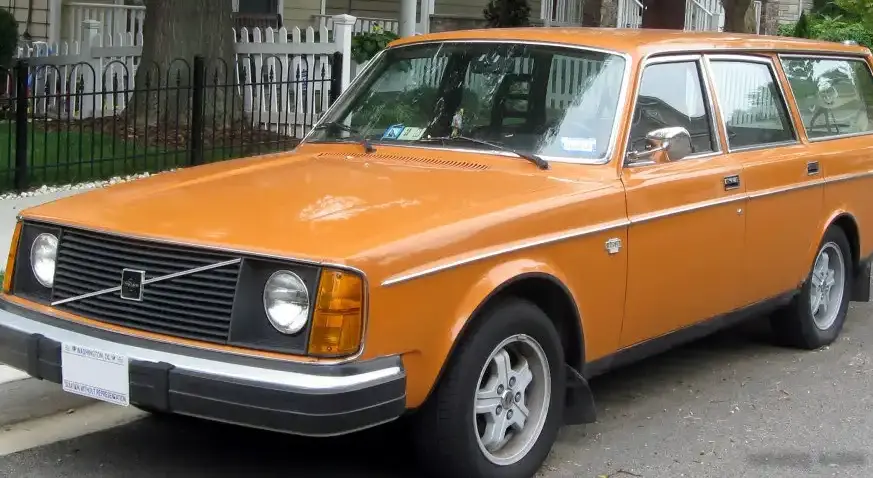
The Volvo 240 Combi (P245) 2.7 GLT6, produced from 1979 to 1980, represents a refined iteration of Volvo’s iconic 240 series, specifically the estate (station wagon) body style. This variant, designated P245, was part of the second generation of the 240, known for its robust construction, practicality, and safety features. The 2.7 GLT6 model occupied a premium position within the 240 Combi lineup, offering a more powerful engine and enhanced equipment compared to the base models. It was a key offering in Volvo’s strategy to appeal to buyers seeking a durable, family-oriented vehicle with a touch of luxury.
Technical Specifications
| Brand | Volvo |
| Model | 240 |
| Generation | 240 Combi (P245) |
| Type (Engine) | 2.7 GLT6 (141 Hp) |
| Start of Production | 1979 |
| End of Production | 1980 |
| Powertrain Architecture | Internal Combustion Engine |
| Body Type | Station Wagon (Estate) |
| Seats | 5 |
| Doors | 5 |
| Fuel Type | Petrol (Gasoline) |
| Power | 141 Hp |
| Engine Model/Code | B27E |
| Engine Aspiration | Naturally Aspirated |
| Engine Oil Capacity | 6.5 l (6.87 US qt | 5.72 UK qt) |
Powertrain & Engine Architecture
The heart of the 240 Combi 2.7 GLT6 is the B27E engine, a 2.7-liter inline-six cylinder gasoline engine. This engine is a descendant of Volvo’s long-running ‘Redblock’ family, known for its over-engineered durability and smooth operation. The B27E featured a cast iron block and aluminum cylinder head, with a single overhead camshaft operating two valves per cylinder. Fuel delivery was managed by Bosch K-Jetronic mechanical fuel injection, a system favored for its reliability and consistent performance, though less efficient than later electronic systems. The engine produced 141 horsepower and approximately 188 lb-ft of torque. The ‘GLT’ designation indicated the inclusion of a four-speed automatic transmission with overdrive. This transmission, while providing convenience, was not known for its particularly quick shifts or sporty feel, prioritizing smooth operation and durability over performance. The automatic transmission was a Borg-Warner unit, chosen for its robustness and ability to handle the engine’s torque.
Driving Characteristics
The 2.7 GLT6 Combi offered a comfortable and capable driving experience, though it wasn’t designed for outright speed. The automatic transmission, while smooth, resulted in slightly slower acceleration compared to the manual transmission versions. The overdrive function helped improve fuel economy on highway journeys. The engine’s torque curve was relatively flat, providing adequate power for everyday driving and hauling loads. The P245’s weight, inherent to its station wagon body style and robust construction, meant that the 141 hp engine wasn’t overwhelmed, but it also didn’t provide particularly brisk acceleration. Steering was relatively heavy, typical of Volvo’s of this era, providing a connected feel to the road. The suspension, tuned for comfort, absorbed bumps well, making it a pleasant long-distance cruiser. Compared to the base 240 models with smaller engines, the 2.7 GLT6 offered a noticeable improvement in performance, particularly when fully loaded with passengers or cargo.
Equipment & Trim Levels
The GLT trim level signified a higher level of equipment compared to the base 240 Combi. Standard features included comfortable cloth upholstery, a wood-trimmed dashboard, and upgraded interior trim. Power steering was typically included, along with a basic AM/FM radio. Optional extras included a sunroof, air conditioning, and upgraded sound systems. The 2.7 GLT6 also featured larger wheels and tires compared to the base models, contributing to improved handling and a more premium appearance. Interior appointments were generally understated and functional, reflecting Volvo’s design philosophy of prioritizing practicality and durability over ostentation. The dashboard layout was clean and logical, with easy-to-read gauges.
Chassis & Braking
The 240 Combi P245 utilized a traditional body-on-frame construction, contributing to its exceptional durability and repairability. The front suspension consisted of independent coil springs and MacPherson struts, while the rear suspension employed a solid axle with leaf springs. Braking was initially provided by disc brakes at the front and drum brakes at the rear. Later models often featured disc brakes all around. The braking system was hydraulically assisted, providing adequate stopping power for the vehicle’s weight. Stabilizer bars were fitted to both the front and rear axles to reduce body roll during cornering. The chassis was designed to prioritize safety and stability, rather than sporty handling.
Market Reception & Comparison
The Volvo 240 Combi 2.7 GLT6 was generally well-received by automotive critics and buyers alike. It was praised for its practicality, durability, and safety features. The 2.7-liter engine was considered a good compromise between performance and fuel economy, although it wasn’t the most fuel-efficient engine available at the time. Compared to the base 240 models, the GLT6 offered a significant upgrade in terms of performance and comfort. Compared to other station wagons of the era, such as the Ford Country Squire or the Chevrolet Caprice Estate, the Volvo 240 Combi stood out for its European design, robust construction, and emphasis on safety. The automatic transmission was sometimes criticized for its lack of responsiveness, but it was appreciated by buyers who prioritized convenience over sporty driving dynamics.
Legacy
The Volvo 240 series, and the P245 Combi in particular, has achieved a legendary status among automotive enthusiasts. The B27E engine is renowned for its longevity and ability to withstand high mileage. The 240 Combi 2.7 GLT6 remains a popular choice among collectors and enthusiasts today, prized for its classic styling, practicality, and durability. Parts availability is generally good, thanks to the large number of 240s that were produced. While maintenance can be relatively straightforward, the age of these vehicles means that regular upkeep is essential. The 240 Combi 2.7 GLT6 represents a high point in Volvo’s history, embodying the brand’s commitment to safety, durability, and practicality. It continues to be a respected and admired vehicle, a testament to its timeless design and engineering.