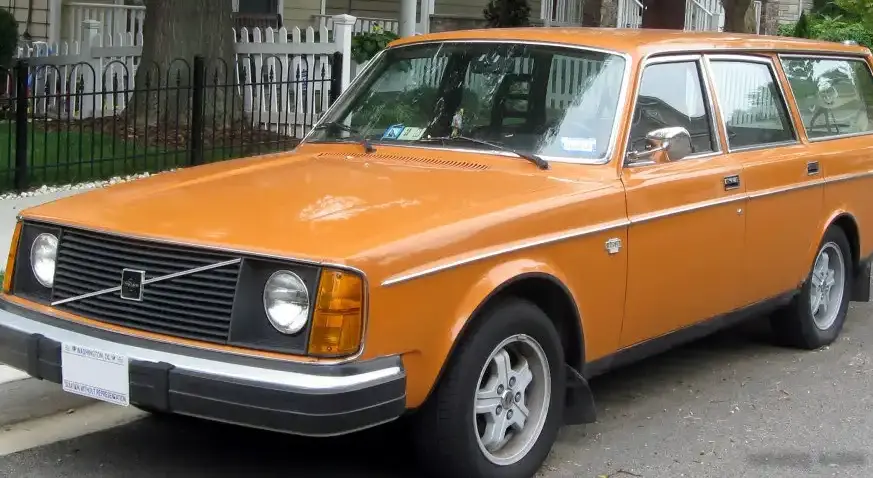
The Volvo 240 2.0, specifically the variant producing 97 horsepower, represents a crucial iteration of Volvo’s long-running and highly respected 240 series. Produced between 1980 and 1983 (though production of the 240 series continued much longer), this model occupied a significant position in the lineup, offering a balance of Volvo’s renowned safety and durability with a more accessible price point. It was part of the P242 (coupe), P244 (sedan) and P245 (estate) body styles. This 2.0-liter version served as a stepping stone for buyers who desired the 240’s core attributes but didn’t require the performance of the higher-displacement engines available.
Technical Specifications
| Brand | Volvo |
| Model | 240 |
| Generation | 240 (P242, P244) |
| Type (Engine) | 2.0 (97 Hp) |
| Start of Production | 1980 |
| End of Production | 1983 |
| Powertrain Architecture | Internal Combustion Engine |
| Body Type | Sedan (P244) / Coupe (P242) / Estate (P245) |
| Fuel Type | Petrol (Gasoline) |
| Power | 97 Hp |
| Engine Model/Code | B19A |
| Engine Aspiration | Naturally Aspirated |
| Engine Oil Capacity | 3.9 l / 4.12 US qt / 3.43 UK qt |
Powertrain & Engine Architecture
The heart of the Volvo 240 2.0 is the B19A engine, a 1,986 cc (121.1 cu in) inline-four cylinder powerplant. This engine is a descendant of Volvo’s long-standing red-block series, known for its over-engineered robustness. The B19A featured a cast iron block and cylinder head, contributing to its exceptional durability. Fuel delivery was managed by a Bosch mechanical fuel injection system, a relatively sophisticated setup for the time, offering improved efficiency and reduced emissions compared to carbureted engines. The engine utilized a single overhead camshaft (SOHC) valvetrain, operating two valves per cylinder. The 97 horsepower output was achieved at 5,200 rpm, with peak torque of 104 lb-ft (141 Nm) arriving at 3,000 rpm. This engine was typically paired with either a four-speed manual transmission or a three-speed automatic transmission with overdrive. The automatic transmission, while providing ease of use, was a key differentiator in the driving experience compared to the manual versions.
Driving Characteristics
The 240 2.0 with the automatic transmission offered a comfortable, if not particularly sporty, driving experience. Acceleration was adequate for everyday driving, with a 0-60 mph time estimated around 12-13 seconds. The automatic transmission’s gear ratios were geared towards fuel economy and smooth cruising rather than rapid acceleration. The overdrive function helped to lower engine speeds at highway speeds, further improving fuel efficiency and reducing noise. Compared to the 240 models equipped with the 2.1-liter or 2.3-liter engines, the 2.0 felt noticeably less powerful, especially when fully loaded or climbing hills. The manual transmission versions of the 2.0 offered a more engaging driving experience, allowing the driver to better utilize the engine’s available power. However, the automatic version appealed to buyers prioritizing convenience and ease of driving, particularly in urban environments.
Equipment & Trim Levels
The 240 2.0 typically represented the entry-level trim within the 240 range. Standard equipment included cloth upholstery, basic instrumentation (speedometer, fuel gauge, temperature gauge), and a heater/defroster system. Power steering and front disc brakes were generally standard, reflecting Volvo’s commitment to safety and driver comfort. Optional extras included a sunroof, upgraded stereo systems, and more luxurious interior trim options. The interior design was typically functional and understated, prioritizing ergonomics and durability over flashy aesthetics. The dashboard layout was straightforward and easy to use, with clearly labeled controls. The 240 2.0 often served as a base for buyers who then added options to customize their vehicle to their specific needs and preferences.
Chassis & Braking
The Volvo 240 featured a robust and well-engineered chassis. It utilized a MacPherson strut front suspension and a solid rear axle with leaf springs. This suspension setup provided a comfortable ride, although it wasn’t particularly sporty in handling. The 240 2.0 typically came equipped with front disc brakes and rear drum brakes. The braking system was known for its reliability and effectiveness, contributing to the 240’s reputation for safety. Stabilizer bars were often included as standard equipment, helping to reduce body roll during cornering. The chassis was designed to withstand harsh conditions and provide a stable platform for the vehicle, even when fully loaded. The relatively simple suspension design also contributed to the 240’s ease of maintenance.
Market Reception & Comparison
The Volvo 240 2.0 was generally well-received by critics and consumers alike. It was praised for its safety, durability, and comfortable ride. However, some reviewers noted its relatively modest performance compared to other vehicles in its class. Compared to the higher-displacement 240 models, the 2.0 offered a more affordable entry point into the Volvo brand. Fuel economy was reasonable for the time, although it wasn’t a class leader. The automatic transmission version was particularly popular with buyers who prioritized convenience and ease of driving. In terms of reliability, the 240 2.0 proved to be exceptionally durable, with many examples remaining on the road for decades. Compared to contemporary American cars, the Volvo 240 offered a more refined and reliable driving experience, albeit at a higher price point.
Legacy
The Volvo 240 2.0, and the 240 series as a whole, has achieved a legendary status among automotive enthusiasts. Its reputation for durability and reliability has made it a popular choice for restoration projects and classic car collectors. The B19A engine, while not a powerhouse, is known for its longevity and relatively simple maintenance requirements. In the used car market today, well-maintained examples of the 240 2.0 command a premium price. The car’s simple design and readily available parts make it relatively easy to repair and maintain. The Volvo 240 2.0 remains a testament to Volvo’s commitment to building safe, durable, and reliable vehicles, and it continues to be appreciated by enthusiasts around the world. Its influence can still be seen in modern Volvo designs, which continue to prioritize safety and functionality.