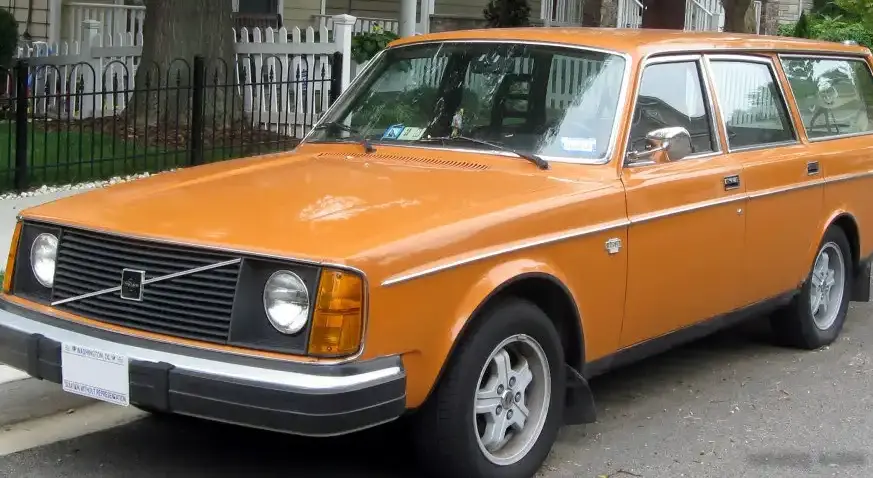
The Volvo 240 2.1, producing 97 horsepower, represented a significant iteration within the long-running and highly respected 240 series. Produced from 1974 to 1975 (P242 and P244 chassis codes denoting 2-door and 4-door models respectively), this variant occupied a crucial position in Volvo’s lineup, offering a balance of affordability, practicality, and the renowned Volvo safety features. It served as a stepping stone into the 240 range, positioned below the more powerful and often more luxuriously equipped models. The 240 series, as a whole, became synonymous with durability and longevity, and the 2.1-liter version played a key role in establishing that reputation.
Technical Specifications
| Brand | Volvo |
| Model | 240 |
| Generation | 240 (P242, P244) |
| Type (Engine) | 2.1 (97 Hp) |
| Start of Production | 1974 |
| End of Production | 1975 |
| Powertrain Architecture | Internal Combustion Engine |
| Body Type | Sedan |
| Fuel Type | Petrol (Gasoline) |
| Power | 97 Hp |
| Engine Model/Code | B21A |
| Engine Aspiration | Naturally Aspirated |
| Engine Oil Capacity | 3.9 l (4.12 US qt | 3.43 UK qt) |
| Coolant Capacity | 9.4 l (9.93 US qt | 8.27 UK qt) |
| Fuel Tank Capacity | 60 l (15.85 US gal | 13.2 UK gal) |
Powertrain & Engine Architecture
The heart of the Volvo 240 2.1 was the B21A engine, a 2.1-liter (2127cc) inline-four cylinder powerplant. This engine was a development of Volvo’s earlier B20 series, known for its over-engineered robustness. The B21A featured a cast iron block and an aluminum cylinder head, a common configuration for the era. It utilized a single overhead camshaft (SOHC) design, operating two valves per cylinder. Fuel delivery was managed by a Bosch mechanical fuel injection system, a relatively sophisticated setup for the mid-1970s, offering improved efficiency and reduced emissions compared to carbureted engines. The engine’s 97 horsepower output at approximately 5200 rpm and 137 lb-ft of torque at 3000 rpm were respectable for its displacement and the period. The engine was typically paired with a three-speed automatic transmission, although a four-speed manual was also available. The automatic transmission, while providing ease of use, was not known for its particularly quick shifts or sporty feel.
Driving Characteristics
The 240 2.1 with the automatic transmission offered a comfortable, if not exhilarating, driving experience. Acceleration was adequate for everyday driving, but it wasn’t a particularly quick car. The automatic transmission’s gear ratios were geared towards fuel economy and smooth cruising rather than rapid acceleration. Compared to the manual transmission versions, the automatic noticeably reduced responsiveness. The 2.1-liter engine provided sufficient power for highway merging and passing maneuvers, but required careful planning. Compared to the later 2.3-liter engines and the turbocharged variants, the 2.1 felt noticeably underpowered. However, the car’s robust construction and well-tuned suspension provided a stable and predictable ride, even on less-than-perfect road surfaces. The steering was relatively heavy, but provided good feedback.
Equipment & Trim Levels
The 240 2.1 typically represented the entry-level trim within the 240 range. Standard equipment included cloth upholstery, basic instrumentation (speedometer, fuel gauge, temperature gauge), and a heater/defroster system. Power steering and brakes were often optional extras. Interior appointments were functional and durable, prioritizing practicality over luxury. The dashboard layout was straightforward and easy to use. Optional extras included a radio, upgraded upholstery, and a sunroof. The 240 was designed with a focus on safety, and even the base 2.1 model included features like front and rear crumple zones, a reinforced passenger compartment, and seat belts.
Chassis & Braking
The Volvo 240 featured a robust, body-on-frame construction, contributing to its legendary durability. The front suspension utilized independent coil springs and wishbones, while the rear suspension employed a solid axle with leaf springs. This setup provided a comfortable ride and good handling characteristics, although it wasn’t particularly sporty. Braking was initially accomplished with front disc brakes and rear drum brakes. Later models often featured disc brakes all around. The braking system was generally effective, but lacked the sophistication of more modern systems. Stabilizer bars were typically fitted to improve handling and reduce body roll.
Market Reception & Comparison
The Volvo 240 2.1 was generally well-received by critics and consumers alike. It was praised for its safety, durability, and practicality. However, the 2.1-liter engine with the automatic transmission was often criticized for its lack of power and sluggish performance. Compared to the more powerful 2.3-liter and turbocharged variants, the 2.1 was seen as a more sensible, economy-oriented choice. Fuel economy was reasonable for the time, averaging around 18-22 mpg in mixed driving. Reliability was a major strength of the 240 2.1, with many examples remaining on the road for decades. The automatic transmission, while not particularly exciting, proved to be relatively reliable with proper maintenance.
Legacy
The Volvo 240 2.1, and the 240 series as a whole, left an indelible mark on the automotive landscape. Its reputation for durability and safety has ensured its continued popularity among enthusiasts and classic car collectors. The B21A engine, while not the most powerful engine ever produced, is known for its longevity and relatively simple maintenance requirements. Today, well-maintained examples of the 240 2.1 are sought after by those who appreciate a classic car that is both reliable and practical. Parts availability remains good, thanks to the large number of 240s that were produced and the continued support from Volvo and aftermarket suppliers. The 240 2.1 stands as a testament to Volvo’s commitment to building safe, durable, and long-lasting automobiles.