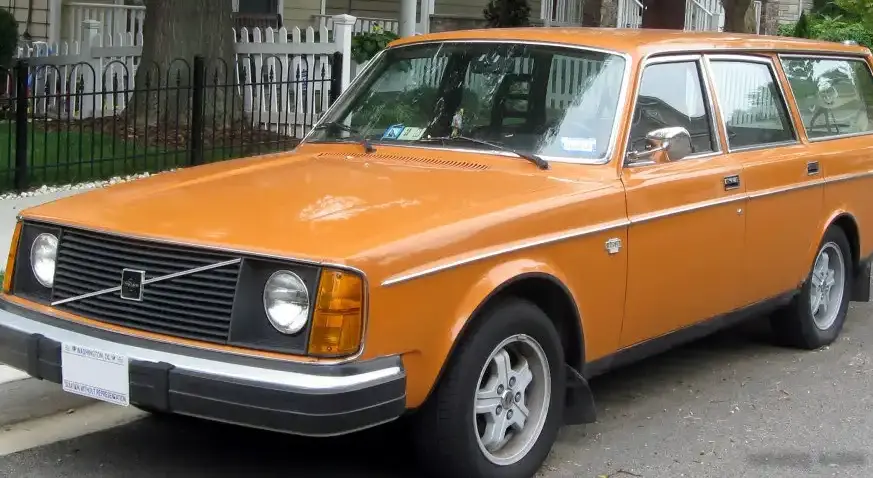
The Volvo 240 2.1 Turbo, produced between 1980 and 1984, represented a significant step in performance for the traditionally safety-focused Swedish automaker. Falling within the second generation of the 240 series (chassis codes P242 for the two-door, and P244 for the four-door), this variant aimed to broaden the 240’s appeal beyond its established reputation for durability and practicality. It offered a compelling blend of Volvo’s renowned build quality with a noticeable increase in power, catering to drivers seeking a more engaging driving experience without sacrificing the comfort and safety features Volvo was known for. The 2.1 Turbo occupied a niche position in the 240 lineup, positioned above the naturally aspirated models but below the later, more heavily revised turbocharged variants.
Technical Specifications
| Brand | Volvo |
| Model | 240 |
| Generation | 240 (P242, P244) |
| Type (Engine) | 2.1 Turbo (155 Hp) |
| Start of Production | 1980 |
| End of Production | 1984 |
| Powertrain Architecture | Internal Combustion Engine |
| Body Type | Sedan |
| Fuel Type | Petrol (Gasoline) |
| Power | 155 Hp |
| Engine Model/Code | B21ET |
| Engine Aspiration | Turbocharger |
| Engine Oil Capacity | 4.5 l (4.76 US qt | 3.96 UK qt) |
| Coolant Capacity | 9.4 l (9.93 US qt | 8.27 UK qt) |
| Fuel Tank Capacity | 60 l (15.85 US gal | 13.2 UK gal) |
Powertrain & Engine Architecture
The heart of the 240 2.1 Turbo was the B21ET engine, a 2.1-liter inline-four cylinder powerplant. This engine was based on Volvo’s well-established B21 series, but significantly enhanced with a Garrett T25 turbocharger and intercooler. The B21ET featured a cast iron block and an aluminum cylinder head, a common configuration for Volvo engines of the era. Fuel delivery was managed by Bosch K-Jetronic mechanical fuel injection, a system known for its reliability and relatively precise metering, though less sophisticated than later electronic systems. The engine utilized a single overhead camshaft (SOHC) valvetrain, operating two valves per cylinder. The turbocharger boosted the engine’s output to 155 horsepower and approximately 170 lb-ft of torque, a substantial increase over the naturally aspirated 240 models. The transmission was a four-speed automatic with overdrive, chosen to provide a balance of performance and ease of use. While a manual transmission was available on other 240 models, it wasn’t typically paired with the 2.1 Turbo in the US market.
Driving Characteristics
The 240 2.1 Turbo offered a noticeably different driving experience compared to its naturally aspirated siblings. The turbocharger provided a significant boost in acceleration, particularly in the mid-range, making highway passing and merging much easier. However, the turbo lag inherent in early turbocharger systems was present, meaning there was a slight delay between pressing the accelerator and feeling the full power delivery. The four-speed automatic transmission, while smooth, wasn’t particularly geared for maximizing performance. The gear ratios were spaced to prioritize comfortable cruising rather than aggressive acceleration. Compared to the five-speed manual transmission available on other 240 models, the automatic resulted in slightly slower 0-60 mph times. The car’s substantial weight (around 2,800 lbs) also played a role in its overall performance, preventing it from feeling truly sporty. However, the turbocharger did give the 240 a unique character and made it a more enjoyable car to drive than the base models.
Equipment & Trim Levels
The 240 2.1 Turbo was generally well-equipped for its time, though it wasn’t positioned as a luxury vehicle. Standard features typically included cloth upholstery, a basic AM/FM radio, and power steering. Air conditioning was often an optional extra, as were features like power windows and a sunroof. The interior design was typically functional and understated, reflecting Volvo’s focus on practicality. The dashboard layout was straightforward, with clearly marked gauges and controls. Trim levels were relatively simple; the Turbo model generally represented a step up in terms of standard equipment compared to the base 240 models, but it didn’t offer the same level of luxury as some of its competitors. The exterior styling was consistent with the rest of the 240 range – boxy and utilitarian, but with a certain understated elegance.
Chassis & Braking
The 240 2.1 Turbo utilized a robust chassis and suspension system designed for durability and safety. The front suspension featured MacPherson struts, while the rear suspension employed a solid axle with leaf springs. This setup provided a comfortable ride, but it wasn’t particularly sporty. The braking system consisted of disc brakes on the front wheels and drum brakes on the rear wheels. While adequate for most driving conditions, the rear drum brakes were a point of criticism, as they didn’t offer the same stopping power as disc brakes. The car’s relatively heavy weight also contributed to longer stopping distances. A stabilizer bar was fitted to both the front and rear axles to reduce body roll during cornering.
Market Reception & Comparison
The Volvo 240 2.1 Turbo was generally well-received by automotive critics, who praised its combination of performance, safety, and durability. However, some critics noted the turbo lag and the limitations of the four-speed automatic transmission. Compared to other turbocharged cars of the era, the 240 Turbo was often seen as a more practical and reliable option. It offered a good balance of performance and fuel economy, although fuel economy wasn’t a primary selling point. Compared to the naturally aspirated 240 models, the Turbo offered a significant performance boost, but it also came with a higher price tag. Compared to the later 240 Turbo models with more powerful engines and improved transmissions, the 2.1 Turbo was considered a more entry-level offering.
Legacy
The Volvo 240 2.1 Turbo holds a special place in the hearts of many Volvo enthusiasts. The B21ET engine proved to be remarkably durable, and many examples are still on the road today. While the K-Jetronic fuel injection system can require occasional maintenance, the engine itself is generally considered to be very reliable. The 240 Turbo’s reputation for safety and durability has helped to maintain its value in the used car market. Today, these cars are sought after by collectors and enthusiasts who appreciate their classic styling, robust construction, and unique driving experience. The 2.1 Turbo represents an important chapter in Volvo’s history, demonstrating the company’s willingness to experiment with performance-oriented models while remaining true to its core values of safety and reliability.