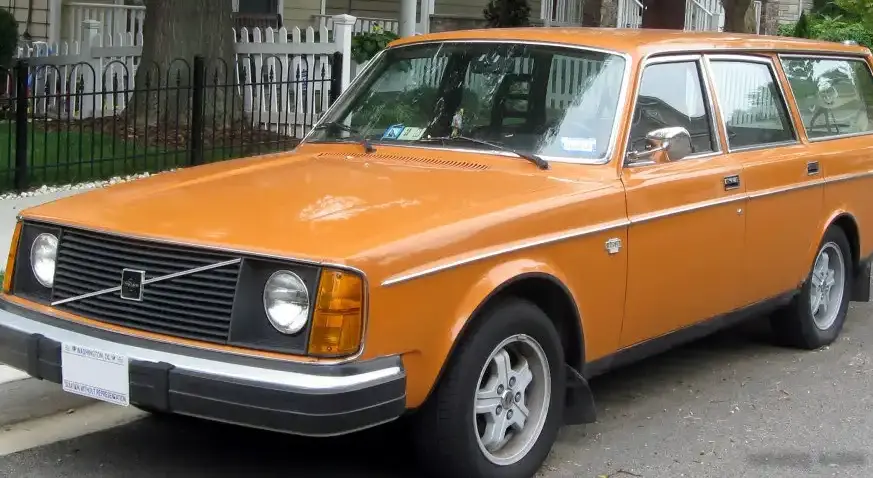
The Volvo 240 2.3, specifically the 113 horsepower variant produced between 1986 and 1987, represents a late-production iteration of Volvo’s remarkably durable and long-lived 240 series. Falling within the P242 (coupe) and P244 (sedan) chassis codes, this model occupied a middle ground in the 240 lineup, offering a balance between affordability and reasonable performance. It was positioned as a practical, reliable family car, embodying Volvo’s longstanding reputation for safety and longevity. The 240 series, produced from 1974 to 1993, became synonymous with Swedish automotive engineering, and this 2.3-liter version was among the final evolutions before the introduction of the 850 series.
Technical Specifications
| Brand | Volvo |
| Model | 240 |
| Generation | 240 (P242, P244) |
| Type (Engine) | 2.3 (113 Hp) |
| Start of Production | 1986 |
| End of Production | 1987 |
| Powertrain Architecture | Internal Combustion Engine |
| Body Type | Sedan/Coupe |
| Fuel Type | Petrol (Gasoline) |
| Power | 113 Hp |
| Engine Model/Code | B230F |
| Engine Aspiration | Naturally Aspirated |
| Engine Oil Capacity | 3.85 l (4.07 US qt | 3.39 UK qt) |
| Coolant Capacity | 9.5 l (10.04 US qt | 8.36 UK qt) |
Powertrain & Engine Architecture
The heart of the 1986-1987 Volvo 240 2.3 was the B230F engine, a 2.3-liter inline-four cylinder powerplant. This engine represented a significant refinement of the earlier B21 and B23 engines used throughout the 240’s production run. The B230F featured a cast iron block and an aluminum cylinder head, contributing to its robustness. Fuel delivery was managed by Bosch K-Jetronic mechanical fuel injection, a system known for its reliability and relatively simple maintenance compared to later electronic fuel injection systems. The engine employed a single overhead camshaft (SOHC) valvetrain with two valves per cylinder. While not a high-revving engine, the B230F produced a respectable 113 horsepower at approximately 5200 rpm and 136 lb-ft of torque at 3500 rpm. This torque curve provided good low-end and mid-range power, making it well-suited for everyday driving. The engine was typically paired with a four-speed automatic transmission (AW71), although a five-speed manual transmission was also available. The AW71 automatic was a hydraulic-controlled transmission known for its smoothness but also for its relatively slow shift times compared to more modern automatics.
Driving Characteristics
The 2.3-liter, 113 hp automatic Volvo 240 offered a comfortable and predictable driving experience. Acceleration was adequate for merging onto highways and passing slower traffic, but it wasn’t a particularly sporty vehicle. The automatic transmission, while smooth, didn’t offer the responsiveness of a manual gearbox. Gear ratios were optimized for fuel economy and cruising comfort rather than outright performance. Compared to the 240 Turbo or even the 2.1-liter fuel-injected models, the 2.3 automatic felt noticeably slower. However, it provided a more relaxed driving experience, particularly in city traffic. The car’s relatively heavy weight (around 2,800-3,000 lbs depending on body style and equipment) contributed to its stable handling, but also limited its agility. Steering was unassisted, requiring a bit more effort at low speeds, but providing good road feel. The suspension, consisting of MacPherson struts in the front and a solid rear axle with leaf springs, prioritized ride comfort over sharp handling.
Equipment & Trim Levels
The 1986-1987 Volvo 240 2.3 automatic typically came with a fairly comprehensive list of standard features, reflecting Volvo’s commitment to safety and comfort. These included power-assisted brakes, reclining front seats, a heater and defroster, and a basic AM/FM radio. Higher trim levels, often denoted by “GL” or “DL” badges, added features such as power windows, power door locks, a sunroof, upgraded upholstery (often velour or leather), and a more sophisticated sound system. Optional extras included air conditioning, cruise control, and heated seats. Interior upholstery was typically cloth, with vinyl or leather available as upgrades. The dashboard layout was functional and straightforward, with clearly marked gauges and easy-to-use controls. The 240’s interior was known for its durability and spaciousness, providing ample room for passengers and cargo.
Chassis & Braking
The Volvo 240’s chassis was a robust body-on-frame construction, contributing to its exceptional durability and crashworthiness. The front suspension utilized MacPherson struts, while the rear suspension employed a solid axle with leaf springs. This setup provided a comfortable ride, but wasn’t particularly sporty. Braking systems varied depending on the model year and trim level. Early 240s often featured drum brakes on the rear wheels, while later models, including the 1986-1987 2.3, typically had disc brakes all around. Power-assisted brakes were standard. Stabilizer bars were fitted to both the front and rear axles to reduce body roll during cornering. The steering was unassisted, providing good road feel but requiring more effort at low speeds. The 240’s braking performance was generally considered adequate for its weight and intended use, but it wasn’t on par with more modern vehicles.
Market Reception & Comparison
The Volvo 240 2.3 automatic was generally well-received by automotive critics and consumers alike. It was praised for its reliability, safety, and comfortable ride. However, it was also criticized for its relatively slow acceleration and somewhat dated styling. Compared to other trims in the 240 lineup, the 2.3 automatic offered a more affordable entry point, but at the expense of performance. The turbocharged models and the fuel-injected 2.1-liter engines provided significantly more power and responsiveness. Fuel economy was reasonable for the time, averaging around 18-22 mpg in mixed driving. The 2.3 automatic was often seen as a practical choice for families and commuters who prioritized reliability and safety over sporty handling. It competed with other mid-size sedans and wagons from manufacturers such as Ford, Chevrolet, and Toyota.
Legacy
The Volvo 240 series, and the 2.3-liter engine in particular, has earned a legendary reputation for durability and longevity. These cars are known to withstand hundreds of thousands of miles with proper maintenance. The B230F engine is particularly robust, and parts are still readily available. In the used car market today, well-maintained 240s command a premium, particularly among enthusiasts and those seeking a reliable and classic vehicle. The 2.3 automatic variant, while not the most desirable trim level among performance enthusiasts, remains a popular choice for those seeking a comfortable, safe, and dependable car. Its simplicity and ease of maintenance make it an attractive option for DIY mechanics. The Volvo 240 continues to be celebrated as a benchmark for automotive durability and a testament to Swedish engineering principles.