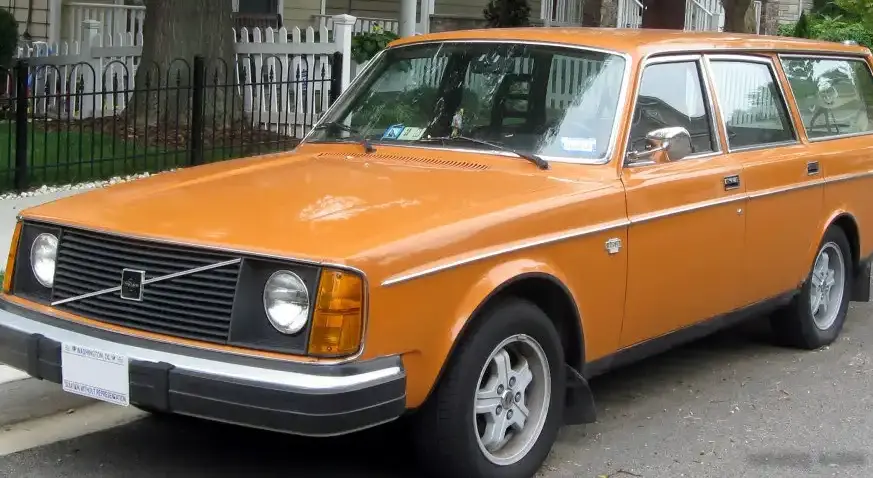
The Volvo 240 2.3, specifically the variant producing 115 horsepower, represents a significant iteration of Volvo’s long-running and highly respected 240 series. Produced from 1986 to 1993, this model occupied a crucial position in the lineup, offering a balance of Volvo’s renowned safety, durability, and practicality with a more accessible price point than the higher-performance or luxury-trimmed versions. The 240 series, designated internally as P242 (two-door), P244 (four-door sedan), and P245 (wagon), was a cornerstone of Volvo’s identity for nearly two decades, and the 2.3-liter engine became a mainstay during the later years of production. This particular configuration, often paired with either a manual or automatic transmission, aimed to provide comfortable and reliable transportation for families and individuals alike.
Technical Specifications
| Brand | Volvo |
| Model | 240 |
| Generation | 240 (P242, P244) |
| Type (Engine) | 2.3 (115 Hp) |
| Start of Production | 1986 |
| End of Production | 1993 |
| Powertrain Architecture | Internal Combustion Engine |
| Body Type | Sedan |
| Fuel Type | Petrol (Gasoline) |
| Power | 115 Hp |
| Engine Model/Code | B230F |
| Engine Aspiration | Naturally Aspirated |
| Engine Oil Capacity | 3.85 l (4.07 US qt | 3.39 UK qt) |
| Coolant Capacity | 9.5 l (10.04 US qt | 8.36 UK qt) |
| Fuel Tank Capacity | 60 l (15.85 US gal | 13.2 UK gal) |
Powertrain & Engine Architecture
The heart of the 115 hp Volvo 240 is the B230F engine, a 2.3-liter inline-four cylinder powerplant. This engine is a descendant of Volvo’s ‘Redblock’ family, known for its over-engineered robustness and longevity. The B230F featured a cast iron block and an aluminum cylinder head, a combination contributing to its durability. Fuel delivery was managed by Bosch mechanical fuel injection – a system chosen for its reliability and relative simplicity compared to emerging electronic fuel injection systems of the time. The engine utilized a single overhead camshaft (SOHC) design with two valves per cylinder. While not a high-revving engine, the B230F produced a respectable amount of torque for its displacement, making it well-suited for everyday driving. The automatic transmission typically paired with this engine was a four-speed unit, providing smooth, if not particularly sporty, gear changes. This transmission was chosen to enhance the comfort and ease of driving, appealing to a broader customer base than the available five-speed manual.
Driving Characteristics
The 115 hp 2.3-liter engine, when coupled with the four-speed automatic transmission, delivered a driving experience focused on comfort and usability rather than outright performance. Acceleration was adequate for merging onto highways and passing slower traffic, but it wasn’t a particularly quick car. The automatic transmission’s gear ratios were optimized for fuel economy and smooth cruising, resulting in a somewhat leisurely pace. Compared to the 240 models equipped with the turbocharged engines or the manual transmission, the 2.3 automatic felt noticeably slower. However, the automatic transmission did offer a more relaxed driving experience, particularly in city traffic. The engine’s torque curve was relatively flat, providing decent responsiveness at lower RPMs, which was beneficial for everyday driving situations. Steering was unassisted, providing a direct feel, but requiring more effort at low speeds.
Equipment & Trim Levels
The 2.3-liter automatic Volvo 240 typically fell into the mid-range of the 240 lineup. Standard equipment included cloth upholstery, a basic AM/FM radio, and manual windows and door locks. Power steering was often an optional extra, as were air conditioning and a sunroof. Higher trim levels, such as the GL and GLE, offered more luxurious features like leather upholstery, upgraded sound systems, and additional convenience items. The interior design was typically functional and understated, reflecting Volvo’s emphasis on practicality and safety. Dashboard layouts were relatively simple, with clearly marked gauges and controls. The 240 was known for its comfortable and supportive seats, even on long journeys.
Chassis & Braking
The Volvo 240 featured a robust and durable chassis. The suspension consisted of independent front suspension with coil springs and a solid rear axle with leaf springs. This setup provided a comfortable ride, although it wasn’t particularly sporty. Braking systems varied depending on the year and trim level. Earlier models often featured drum brakes on the rear wheels, while later models typically had disc brakes all around. The braking system was known for its effectiveness and reliability. Stabilizer bars were fitted to both the front and rear axles, helping to reduce body roll during cornering. The 240’s relatively heavy weight contributed to its stability, but also impacted its handling agility.
Market Reception & Comparison
The 115 hp 2.3-liter automatic Volvo 240 was generally well-received by critics and consumers alike. It was praised for its safety, reliability, and practicality. Fuel economy was reasonable for a car of its size and age, although it wasn’t class-leading. Compared to other trims in the 240 lineup, the 2.3 automatic offered a more affordable entry point into Volvo ownership. The turbocharged models provided significantly more performance, but at a higher price. The manual transmission versions were favored by driving enthusiasts, but the automatic appealed to those seeking a more comfortable and convenient driving experience. The 240 consistently scored well in safety tests, earning a reputation as one of the safest cars on the road.
Legacy
The Volvo 240, and specifically the 2.3-liter variants, have developed a strong following among classic car enthusiasts. The B230F engine is renowned for its durability and ability to withstand high mileage. Parts availability remains relatively good, making it easier to maintain and repair these cars. The 240’s simple mechanical design and robust construction have contributed to its longevity. In the used car market today, well-maintained 240s command a premium, particularly those with low mileage and original features. The car’s reputation for safety and reliability continues to attract buyers, and it remains a popular choice for those seeking a classic car that is both practical and enjoyable to drive. The 240’s influence can still be seen in modern Volvo designs, particularly in the company’s continued commitment to safety and durability.