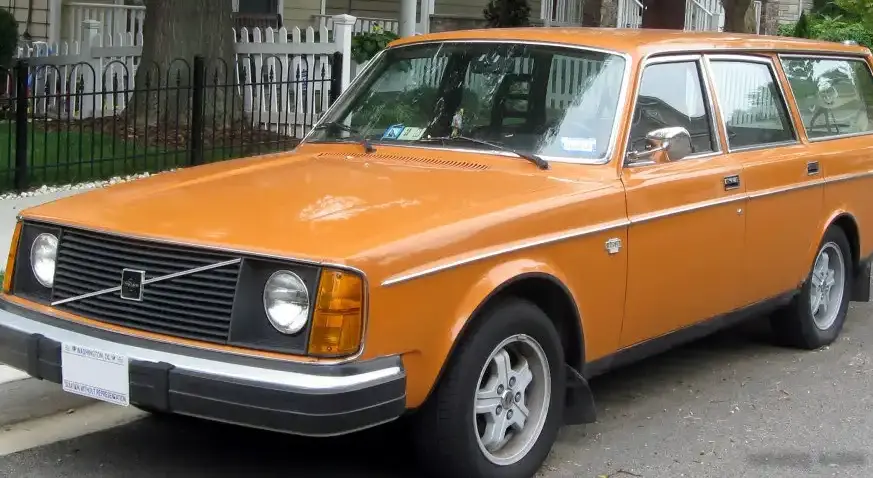
The Volvo 240 2.3, specifically the variant produced between 1984 and 1989, represents a pivotal point in the evolution of Volvo’s long-running and highly respected 240 series. This model, designated primarily as the P244 (sedan) and P242 (estate/wagon), was a mainstay of the mid-size segment, known for its robust construction, exceptional safety features, and longevity. The 2.3-liter engine, designated the B230E, offered a balance of performance and fuel economy, making it a popular choice for families and those seeking a dependable vehicle. It sat in the middle of the 240 lineup, offering more power than the base 2.1-liter models but remaining more accessible than the turbocharged or higher-specification variants.
Technical Specifications
| Brand | Volvo |
| Model | 240 |
| Generation | 240 (P242, P244) |
| Type (Engine) | 2.3 (133 Hp) |
| Start of Production | 1984 |
| End of Production | 1989 |
| Powertrain Architecture | Internal Combustion Engine |
| Body Type | Sedan/Estate |
| Fuel Type | Petrol (Gasoline) |
| Power | 133 Hp |
| Engine Model/Code | B230E |
| Engine Aspiration | Naturally Aspirated |
| Engine Oil Capacity | 3.85 l (4.07 US qt | 3.39 UK qt) |
| Coolant Capacity | 9.5 l (10.04 US qt | 8.36 UK qt) |
Powertrain & Engine Architecture
The heart of the 1984-1989 Volvo 240 2.3 is the B230E engine, a 2316cc (141.2 cubic inch) inline-four cylinder powerplant. This engine is a descendant of Volvo’s ‘Redblock’ family, known for its over-engineered durability. The B230E featured a cast iron block and an aluminum cylinder head, contributing to its robust nature. Fuel delivery was managed by Bosch K-Jetronic mechanical fuel injection, a system favored for its reliability and relatively simple maintenance compared to early electronic fuel injection systems. The engine employed a single overhead camshaft (SOHC) valvetrain with two valves per cylinder. The B230E produced 133 horsepower at 5200 rpm and 138 lb-ft of torque at 3000 rpm. While not a high-revving engine, it delivered a broad torque curve, making it well-suited for everyday driving. The transmission paired with this engine was typically a four-speed automatic, although a five-speed manual was also available. The automatic transmission, while providing convenience, was not known for its sporty performance and contributed to slightly slower acceleration times compared to the manual version.
Driving Characteristics
The Volvo 240 2.3 with the automatic transmission offered a comfortable and predictable driving experience. Acceleration was adequate for merging onto highways and passing slower traffic, but it wasn’t particularly brisk. The automatic transmission’s gear ratios were geared towards fuel efficiency and smooth cruising rather than outright performance. The 0-60 mph time was typically in the 10-11 second range. The car’s relatively heavy weight (around 2,800-3,000 lbs) contributed to its stable handling, but also limited its agility. The steering was relatively slow and lacked the direct feel of more modern vehicles. However, the 240’s suspension, featuring independent front suspension and a solid rear axle with coil springs, provided a comfortable ride, even on rough roads. Compared to the manual transmission version, the automatic 2.3 felt noticeably slower, particularly during acceleration. The manual transmission allowed the driver to keep the engine in its optimal power band, resulting in a more responsive driving experience. The turbocharged 240 models, of course, offered significantly more performance, but at a higher price point.
Equipment & Trim Levels
The 240 2.3 typically came with a reasonable level of standard equipment. Base models included cloth upholstery, a basic AM/FM radio, and manual windows and locks. Higher trim levels, such as the GL and GLE, added features like power windows and locks, upgraded upholstery (often velour or leather), a sunroof, and a more sophisticated audio system. Optional extras included air conditioning, cruise control, and heated seats. The interior design was functional and understated, reflecting Volvo’s emphasis on practicality and safety. The dashboard layout was straightforward, with clearly labeled controls. The seats were known for their comfort and supportive design, even on long journeys. The 2.3 trim level generally represented a good balance between affordability and features, making it a popular choice for buyers who wanted a well-equipped and reliable vehicle without breaking the bank.
Chassis & Braking
The Volvo 240 featured a robust chassis and a reliable braking system. The front suspension utilized independent coil springs and MacPherson struts, while the rear suspension employed a solid axle with coil springs. Stabilizer bars were fitted to both the front and rear axles to reduce body roll during cornering. Braking duties were handled by disc brakes on all four wheels, although some earlier models and lower trim levels may have featured drum brakes on the rear. The braking system was known for its effectiveness and reliability, providing ample stopping power even under demanding conditions. The steering system was a recirculating ball system, which provided a stable but somewhat indirect steering feel. The 240’s chassis was designed with safety in mind, incorporating crumple zones and a reinforced passenger compartment to protect occupants in the event of a collision.
Market Reception & Comparison
The Volvo 240 2.3 was generally well-received by automotive critics and consumers alike. It was praised for its safety, reliability, and durability. However, some critics noted its relatively slow acceleration and somewhat dated styling. Compared to other cars in its class, such as the BMW 3 Series and the Mercedes-Benz 190E, the 240 offered a different set of priorities. While the German cars emphasized performance and luxury, the Volvo focused on safety, practicality, and longevity. In terms of fuel economy, the 2.3-liter engine delivered around 18-22 mpg in city driving and 24-28 mpg on the highway, which was competitive for its time. The automatic transmission slightly reduced fuel economy compared to the manual version. The 240’s reputation for reliability meant that maintenance costs were generally low, making it an attractive option for budget-conscious buyers.
Legacy
The Volvo 240, and specifically the 2.3 variant, has achieved a legendary status among automotive enthusiasts. Its robust construction and simple mechanical design have made it a popular choice for restoration projects and classic car rallies. The B230E engine is known for its exceptional durability and ability to withstand high mileage. Even today, well-maintained 240s can be found on the road, a testament to their longevity. The 240’s influence on automotive safety standards is also significant. Volvo pioneered many safety features that are now commonplace in modern vehicles, and the 240 was at the forefront of this innovation. In the used car market, the 240 2.3 remains a relatively affordable and reliable option, particularly for those seeking a classic car with a strong following and a reputation for dependability. Parts availability is generally good, and a thriving community of Volvo enthusiasts provides support and resources for owners.