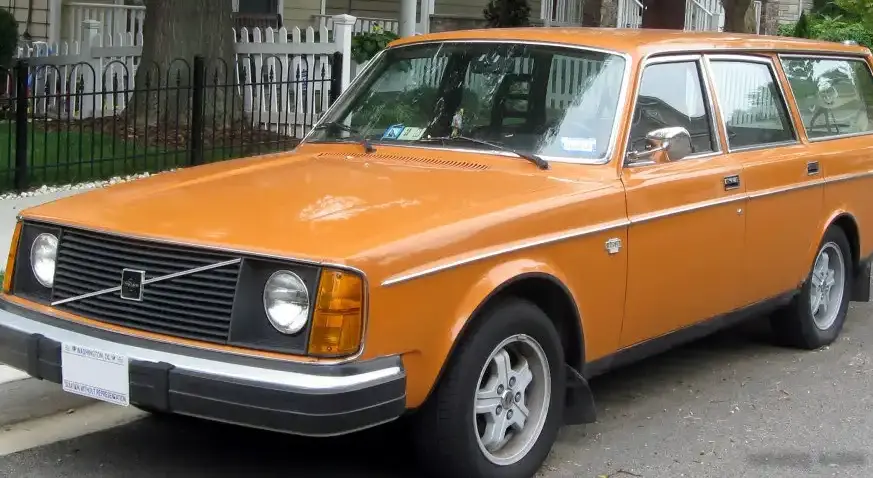
The Volvo 240 2.3, producing 140 horsepower, represents a pivotal point in the long-running 240 series, manufactured between 1978 and 1980. Falling within the second generation of the 240 (chassis codes P242 for the two-door, and P244 for the four-door sedan), this variant offered a balance of performance and fuel economy that appealed to a broad range of buyers in both North America and Europe. It served as a mid-range offering, positioned above the base 2.1-liter models and below the later, more powerful 2.4-liter variants. The 240 series, renowned for its boxy yet functional design and exceptional safety, became a symbol of Swedish engineering and durability.
Technical Specifications
| Brand | Volvo |
| Model | 240 |
| Generation | 240 (P242, P244) |
| Type (Engine) | 2.3 (140 Hp) |
| Start of Production | 1978 |
| End of Production | 1980 |
| Powertrain Architecture | Internal Combustion Engine |
| Body Type | Sedan |
| Fuel Type | Petrol (Gasoline) |
| Power | 140 Hp |
| Engine Model/Code | B23E |
| Engine Aspiration | Naturally Aspirated |
| Engine Oil Capacity | 3.85 l (4.07 US qt | 3.39 UK qt) |
| Coolant Capacity | 9.5 l (10.04 US qt | 8.36 UK qt) |
Powertrain & Engine Architecture
The heart of the 240 2.3 is the B23E engine, a 2.3-liter inline-four cylinder powerplant. This engine represented a significant upgrade over the earlier B21 series, featuring a larger displacement and improved cylinder head design. The B23E utilizes a cast iron block and an aluminum cylinder head, a common configuration for Volvo engines of the era. Fuel delivery is managed by Bosch K-Jetronic mechanical fuel injection, a system known for its reliability and relatively precise metering, though it can be complex to diagnose and repair. The engine employs a single overhead camshaft (SOHC) valvetrain with two valves per cylinder. The B23E’s design prioritized low-end torque and durability over outright horsepower, reflecting Volvo’s focus on real-world usability. While the 140 hp output wasn’t groundbreaking, it provided ample power for comfortable cruising and passing maneuvers. The engine was typically paired with either a four-speed manual transmission with overdrive or a three-speed automatic transmission, the latter being a popular choice for American buyers prioritizing convenience.
Driving Characteristics
The 240 2.3 with the automatic transmission offered a smooth and relaxed driving experience. The three-speed automatic, while not particularly sophisticated by modern standards, was well-matched to the engine’s torque curve. Acceleration from a standstill was adequate, but not sporty, with 0-60 mph times typically around 11-12 seconds. The automatic transmission’s gear ratios were geared towards fuel efficiency and comfortable highway cruising. Compared to the manual transmission versions, the automatic models felt slightly less responsive, particularly during quick overtaking maneuvers. However, the automatic provided a more effortless driving experience in city traffic. The 2.3-liter engine provided a noticeable improvement in performance over the earlier 2.1-liter models, offering more readily available power throughout the rev range. The suspension, tuned for comfort, absorbed bumps and imperfections in the road well, contributing to a stable and predictable ride.
Equipment & Trim Levels
The 240 2.3 typically came equipped with a fairly comprehensive list of standard features for its time. Interior upholstery was generally cloth, available in a variety of colors and patterns. The dashboard layout was functional and straightforward, with clearly marked gauges for speed, fuel level, coolant temperature, and oil pressure. Power steering was often included, making maneuvering easier, particularly at low speeds. Other standard features included front disc brakes, rear drum brakes, and a four-speaker AM/FM radio. Optional extras included air conditioning, a sunroof, upgraded audio systems, and leather upholstery. Trim levels varied slightly depending on the market, but generally, the 2.3 represented a step up in terms of features and refinement compared to the base models. The DL trim level, often paired with the 2.3 engine, offered additional comfort and convenience features.
Chassis & Braking
The Volvo 240 utilized a robust and relatively simple chassis design. It featured a front MacPherson strut suspension and a rear solid axle with leaf springs. The suspension was tuned for comfort and stability, prioritizing a smooth ride over sporty handling. Braking duties were handled by disc brakes on the front wheels and drum brakes on the rear wheels. The braking system was generally effective, but lacked the stopping power of more modern vehicles. Stabilizer bars were fitted to both the front and rear axles to reduce body roll during cornering. The 240’s relatively heavy weight contributed to its stable handling characteristics, but also limited its agility. The chassis was renowned for its strength and durability, contributing to the 240’s reputation for longevity.
Market Reception & Comparison
The Volvo 240 2.3 was generally well-received by automotive critics and consumers alike. It was praised for its safety, reliability, and comfortable ride. The 140 hp engine provided a good balance of performance and fuel economy, making it a practical choice for everyday driving. Compared to the base 2.1-liter models, the 2.3 offered a noticeable improvement in performance. Compared to the later 2.4-liter models, the 2.3 was slightly less powerful, but also more fuel-efficient. The automatic transmission was a popular choice in the American market, where convenience was often prioritized over performance. Fuel economy was respectable for the era, averaging around 18-22 mpg in mixed driving conditions. Reliability was a key strength of the 240 2.3, with many examples remaining on the road for decades.
Legacy
The Volvo 240 2.3, and the 240 series as a whole, has achieved a legendary status among automotive enthusiasts. Its reputation for durability and reliability has made it a popular choice for restoration projects and classic car collectors. The B23E engine is known for its longevity and relatively simple maintenance requirements. While parts availability can be a challenge, many aftermarket suppliers continue to offer replacement components. Today, well-maintained 240 2.3 models command a respectable price in the used car market, reflecting their enduring appeal and historical significance. The 240 series cemented Volvo’s reputation for building safe, reliable, and long-lasting vehicles, a legacy that continues to influence the brand today.