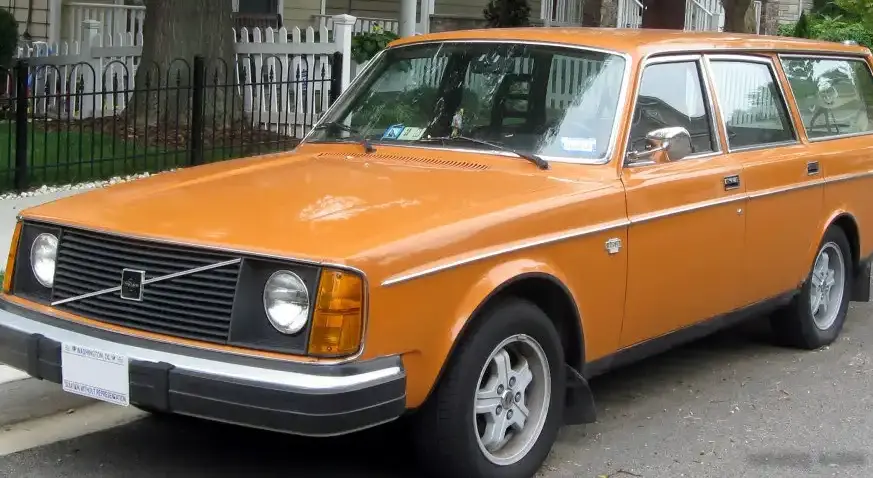
The Volvo 240 2.4 Diesel Automatic, produced between 1986 and 1993, represents a unique and often overlooked variant within the exceptionally long-lived Volvo 240 series (P242, P244). This configuration, powered by the D24 engine and paired with a three-speed automatic transmission, was primarily aimed at buyers seeking the renowned Volvo safety and durability in a more economical package, particularly in European markets where diesel fuel was more affordable and readily available. It occupied the lower end of the 240 spectrum, offering a more accessible entry point compared to the gasoline-powered models, especially the higher-performance variants. While not known for blistering speed, the 2.4 Diesel Automatic prioritized fuel efficiency and robust, low-stress operation, characteristics highly valued by its target demographic.
Technical Specifications
| Brand | Volvo |
| Model | 240 |
| Generation | 240 (P242, P244) |
| Type (Engine) | 2.4 Diesel (79 Hp) Automatic |
| Start of production | 1986 |
| End of production | 1993 |
| Powertrain Architecture | Internal Combustion engine |
| Body type | Sedan |
| Seats | 5 |
| Doors | 4 |
| Fuel Type | Diesel |
| Power | 79 Hp @ 4800 rpm |
| Power per litre | 33.2 Hp/l |
| Engine layout | Front, Longitudinal |
| Engine Model/Code | D24 |
| Engine displacement | 2382 cm3 / 145.36 cu. in. |
| Engine configuration | Inline |
| Cylinder Bore | 76.5 mm / 3.01 in. |
| Piston Stroke | 83 mm / 3.27 in. |
| Compression ratio | 23:1 |
| Number of valves per cylinder | 2 |
| Fuel injection system | Precombustion chamber injection |
| Engine aspiration | Naturally aspirated |
| Engine oil capacity | 7 l / 7.4 US qt | 6.16 UK qt |
| Coolant capacity | 9.5 l / 10.04 US qt | 8.36 UK qt |
| Fuel tank capacity | 60 l / 15.85 US gal | 13.2 UK gal |
| Drivetrain Architecture | Rear wheel drive |
| Number of gears and type of gearbox | 3 gears, automatic transmission |
Powertrain & Engine Architecture
The heart of this Volvo 240 variant is the D24 diesel engine, a robust and overbuilt four-cylinder unit. The D24 is a naturally aspirated, indirect injection diesel, utilizing precombustion chambers to initiate combustion. This design, common in European diesels of the era, contributed to quieter operation and reduced engine knock compared to direct injection systems. The engine’s 2382cc displacement and relatively low compression ratio of 23:1 were key to its durability. The fuel injection system, while mechanically governed, was reliable and relatively simple to maintain. The engine’s valvetrain consists of a single overhead camshaft operating two valves per cylinder. The three-speed automatic transmission, sourced from ZF, was chosen for its durability and smooth operation, though it wasn’t particularly sophisticated by modern standards. It was designed to handle the diesel engine’s torque characteristics, prioritizing smooth shifts over outright performance.
Driving Characteristics
The 2.4 Diesel Automatic 240 was never intended to be a sports car. With 79 horsepower and a relatively heavy body, acceleration was modest. The three-speed automatic transmission, while providing convenience, further limited performance. Gear ratios were optimized for fuel economy and relaxed cruising rather than quick acceleration. The engine produced a respectable amount of torque for its displacement, making it capable of handling moderate inclines and carrying a full load. However, overtaking maneuvers required careful planning. Compared to the gasoline-powered 240s, particularly the 2.3-liter variants, the diesel automatic felt significantly slower. The manual transmission versions of the D24 offered a more engaging driving experience and slightly improved fuel economy, but the automatic appealed to drivers prioritizing ease of use.
Equipment & Trim Levels
The 2.4 Diesel Automatic typically represented a base or near-base trim level within the 240 range. Standard equipment generally included cloth upholstery, basic instrumentation, and manual windows and door locks. Air conditioning was often an optional extra, as were power windows and a more advanced audio system. Interior trim was typically functional and durable, reflecting Volvo’s emphasis on practicality. The dashboard layout was straightforward and easy to use, with clearly marked controls. Safety features, a hallmark of the Volvo brand, were standard, including seatbelts and a robust chassis structure. Optional extras could include a sunroof, upgraded seats, and various exterior trim enhancements.
Chassis & Braking
The Volvo 240’s chassis was renowned for its strength and durability. The 2.4 Diesel Automatic utilized a traditional rear-wheel-drive layout with a longitudinally mounted engine. Suspension consisted of independent front suspension with coil springs and a solid rear axle with leaf springs. The rear drums were common on the base models, while higher trim levels often featured rear disc brakes. Stabilizer bars were typically fitted to both the front and rear axles, contributing to improved handling. The braking system was hydraulic, with front disc brakes providing the majority of the stopping power. The suspension setup prioritized ride comfort and stability over sporty handling, reflecting the car’s intended purpose as a comfortable and reliable family sedan.
Market Reception & Comparison
The 2.4 Diesel Automatic Volvo 240 received generally positive reviews, particularly for its fuel economy and durability. Critics praised the engine’s robustness and the transmission’s smooth operation, although they acknowledged the lack of outright performance. Compared to the gasoline-powered 240s, the diesel automatic offered significantly better fuel economy, making it an attractive option for drivers covering long distances. However, it was generally more expensive to purchase than the base gasoline models. The 2.4 Diesel Automatic was often compared to other European diesel sedans of the era, such as the Mercedes-Benz 190D and the Peugeot 505 Diesel, generally holding its own in terms of reliability and build quality.
Legacy
The Volvo 240 2.4 Diesel Automatic has earned a reputation for exceptional longevity. Many examples remain on the road today, a testament to the quality of engineering and construction. The D24 engine is particularly well-regarded for its durability, often exceeding 300,000 miles with proper maintenance. The automatic transmission, while not as sophisticated as modern units, has also proven to be remarkably reliable. In the used car market, these models are often sought after by enthusiasts and those seeking a simple, reliable, and affordable vehicle. Parts availability remains good, and the car’s straightforward design makes it relatively easy to maintain and repair. The 2.4 Diesel Automatic represents a practical and enduring example of Volvo’s commitment to safety, durability, and fuel efficiency.