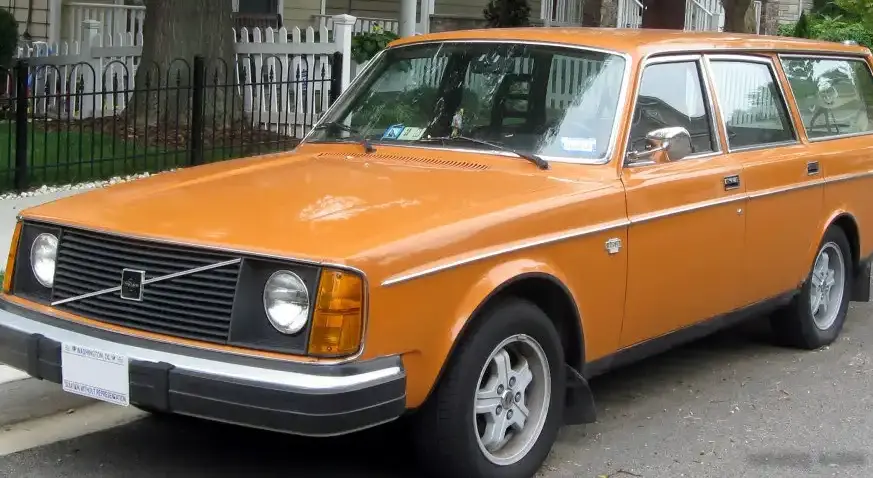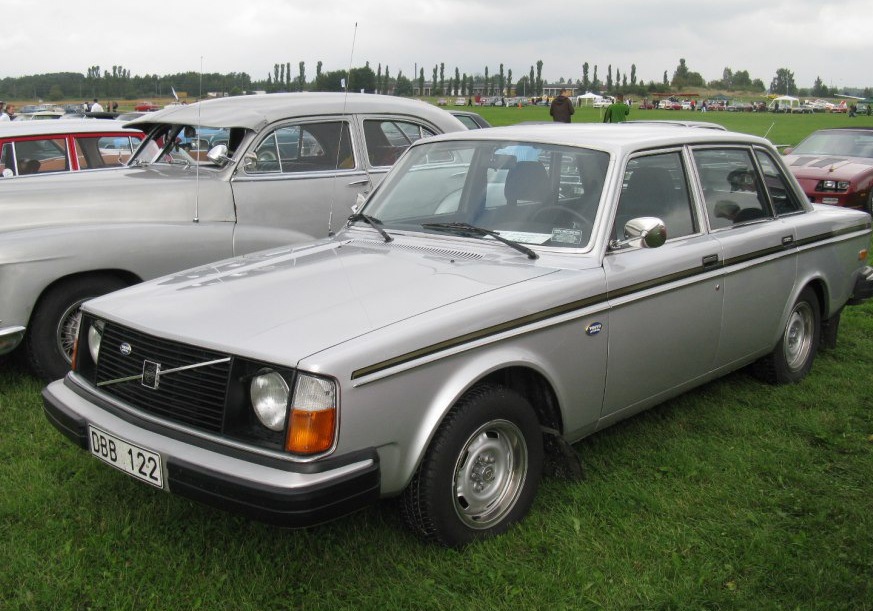
The Volvo 240 GLT6 2.7, produced between 1979 and 1980, represents a significant iteration within the long-running and highly respected 240 series. Falling within the second generation of the 240 (chassis codes P242 for the two-door, and P244 for the four-door), the GLT6 distinguished itself with a larger displacement engine and a focus on comfortable, grand touring performance. This variant aimed to bridge the gap between the more basic 240 models and the higher-performance 240 Turbo, offering a refined driving experience for those seeking a blend of practicality and power. It was a relatively short-lived model, superseded by further refinements within the 240 range, but remains a sought-after classic among Volvo enthusiasts.
Technical Specifications
| Brand | Volvo |
| Model | 240 |
| Generation | 240 (P242, P244) |
| Type (Engine) | 2.7 GLT6 (141 Hp) |
| Start of Production | 1979 |
| End of Production | 1980 |
| Powertrain Architecture | Internal Combustion Engine |
| Body Type | Sedan |
| Fuel Type | Petrol (Gasoline) |
| Power | 141 Hp |
| Engine Model/Code | B27E |
| Engine Aspiration | Naturally Aspirated |
| Engine Oil Capacity | 6.5 l (6.87 US qt | 5.72 UK qt) |
Powertrain & Engine Architecture
The heart of the 240 GLT6 2.7 is the B27E engine, a 2.7-liter inline-six cylinder powerplant. This engine represents an evolution of Volvo’s long-standing six-cylinder design, known for its smoothness and durability. The B27E featured a cast iron block and an aluminum cylinder head, contributing to its robust construction. Fuel delivery was managed by Bosch K-Jetronic mechanical fuel injection, a sophisticated system for its time that provided precise fuel metering and improved efficiency compared to carbureted engines. The engine utilized a single overhead camshaft (SOHC) valvetrain, operating two valves per cylinder. The 2.7-liter displacement was achieved through a relatively long stroke and a moderate bore, resulting in strong low-end torque. While Volvo offered both manual and automatic transmissions with the 240 series, the GLT6 2.7 was frequently paired with a three-speed automatic transmission (typically the ZF 3HP22), chosen for its smooth operation and suitability for the car’s grand touring character. This automatic transmission, while not known for its outright performance, provided comfortable and effortless cruising.
Driving Characteristics
The 240 GLT6 2.7, with its 141 horsepower and 178 lb-ft of torque, offered a noticeably more spirited driving experience than the base 240 models equipped with the 2.1-liter or 2.3-liter engines. Acceleration to 60 mph was typically in the 9-10 second range, respectable for the late 1970s and early 1980s. The automatic transmission, however, did impact performance somewhat. Compared to the five-speed manual transmission available on other 240 variants, the automatic resulted in some power loss and a less engaging driving experience. The gear ratios were optimized for comfortable cruising rather than rapid acceleration. The engine’s strong low-end torque meant that the car felt responsive in everyday driving situations, and overtaking maneuvers were generally executed with ease. The 240’s renowned chassis and suspension provided a stable and comfortable ride, even when fully loaded. Steering was relatively heavy, typical of the era, but provided good feedback.
Equipment & Trim Levels
The GLT6 trim level positioned the 2.7-liter model as a mid-to-upper range offering within the 240 lineup. Standard equipment included comfortable cloth upholstery, often in a patterned design, and a woodgrain-trimmed dashboard. Power steering and power-assisted disc brakes on the front wheels were standard. The GLT6 also featured upgraded interior trim and exterior brightwork compared to the more basic models. Optional extras included a sunroof, air conditioning, and upgraded audio systems. The instrument panel was comprehensive, featuring gauges for coolant temperature, fuel level, speedometer, and clock. The GLT6 also typically included a trip odometer. The overall interior ambiance was one of understated elegance and practicality, reflecting Volvo’s commitment to functional design.
Chassis & Braking
The Volvo 240 series utilized a robust and well-engineered chassis. The suspension consisted of independent front suspension with MacPherson struts and a solid rear axle with leaf springs. The GLT6 2.7 benefited from a slightly stiffer suspension setup compared to the base models, providing improved handling and stability. Braking was accomplished via disc brakes on the front wheels and drum brakes on the rear. Power assistance was standard, providing ample stopping power for the car’s weight. Stabilizer bars were fitted to both the front and rear axles, further enhancing handling. The 240’s chassis was renowned for its strength and durability, contributing to the car’s excellent safety record.
Market Reception & Comparison
The 240 GLT6 2.7 was generally well-received by automotive critics. It was praised for its smooth engine, comfortable ride, and overall refinement. However, some critics noted that the automatic transmission detracted from the driving experience, and that the car wasn’t as sporty as some of its competitors. Compared to the 240 Turbo, the GLT6 2.7 offered less outright performance but was more affordable and easier to live with on a daily basis. Compared to the base 240 models, the GLT6 2.7 provided a significant upgrade in terms of power, refinement, and features. Fuel economy was reasonable for the time, averaging around 18-22 mpg in mixed driving. Reliability was a key strength of the 240 series, and the GLT6 2.7 was no exception.
Legacy
The Volvo 240 GLT6 2.7, while a relatively short-lived model, has become a desirable classic among Volvo enthusiasts. The B27E engine is known for its longevity and relatively simple maintenance requirements. Parts availability remains good, although some trim-specific items can be difficult to find. The car’s robust construction and excellent safety record have contributed to its enduring appeal. Today, well-maintained examples of the 240 GLT6 2.7 command a premium in the used car market. It represents a high point in Volvo’s commitment to building safe, durable, and comfortable automobiles, and continues to be appreciated for its timeless design and classic character. The automatic transmission, while not favored by performance enthusiasts, adds to the car’s unique appeal as a comfortable and refined cruiser.