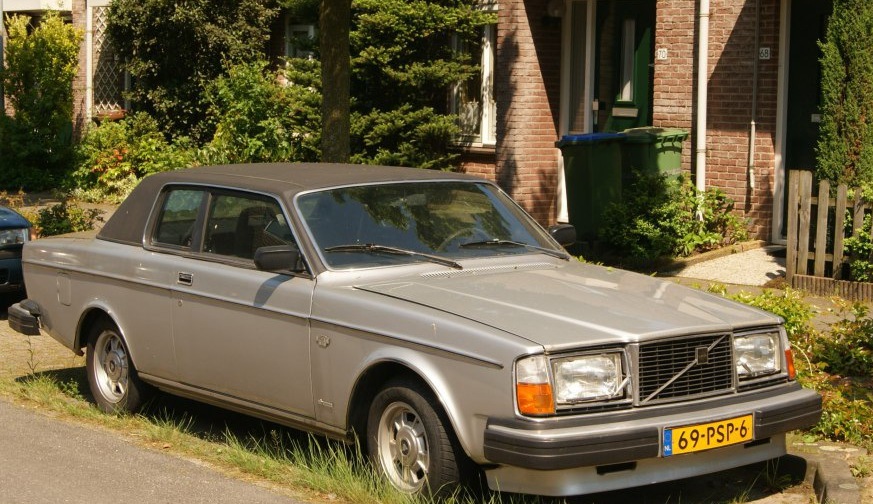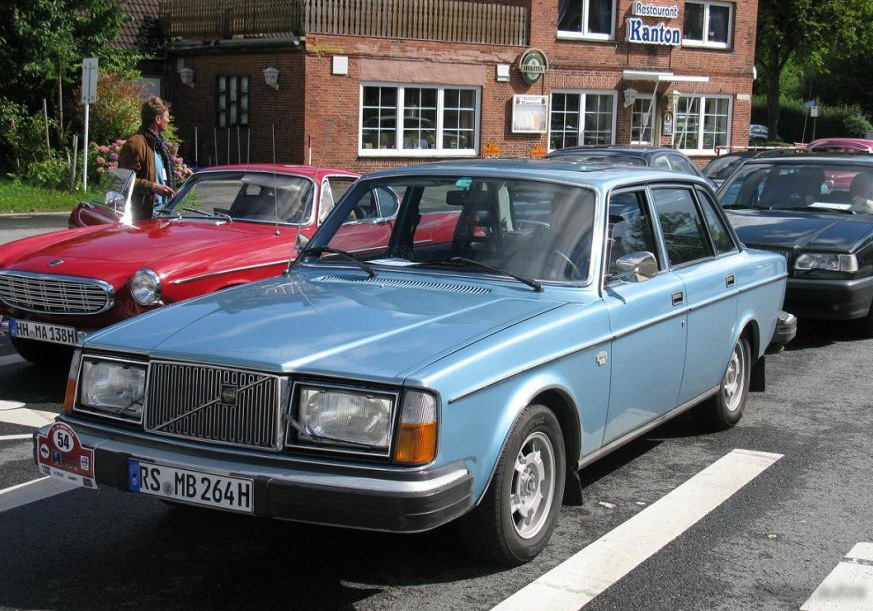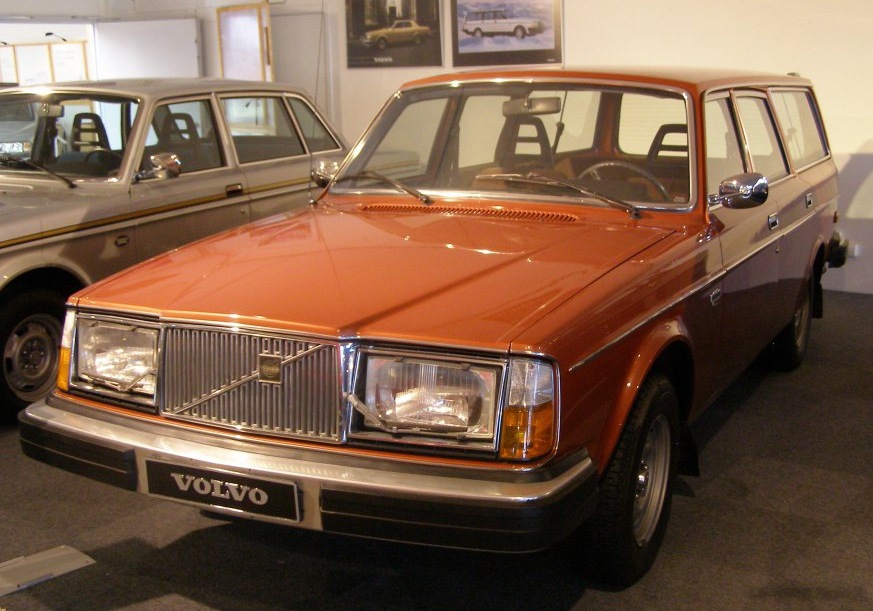
The Volvo 260 Combi, designated as the P265, represents Volvo’s foray into the premium estate car segment during the mid-1970s. Produced between 1974 and 1977, it was based on the 260 series platform, offering a more practical and spacious alternative to the sedan and coupe models. This variant, equipped with the 2.7-liter B27A engine producing 125 horsepower, occupied a middle ground in the 260 lineup, balancing performance with fuel economy and offering a more refined driving experience than the lower-displacement options. The P265 was primarily aimed at families and individuals requiring a versatile vehicle capable of carrying both passengers and substantial cargo, particularly in European markets where estate cars were highly popular.
Technical Specifications
| Brand | Volvo |
| Model | 260 |
| Generation | 260 Combi (P265) |
| Type (Engine) | 2.7 (125 Hp) |
| Start of Production | 1974 |
| End of Production | 1977 |
| Powertrain Architecture | Internal Combustion Engine |
| Body Type | Station Wagon (Estate) |
| Fuel Type | Petrol (Gasoline) |
| Power | 125 Hp |
| Engine Model/Code | B27A |
| Engine Aspiration | Naturally Aspirated |
| Engine Oil Capacity | 6.5 l (6.87 US qt | 5.72 UK qt) |
Powertrain & Engine Architecture
The heart of the 260 Combi 2.7 was the B27A engine, a 2.7-liter inline-six cylinder powerplant. This engine was a development of Volvo’s long-running B20 series, known for its robustness and smooth operation. The B27A featured a cast iron block and an aluminum cylinder head, contributing to its durability. It utilized a Solex-Zenith 36DIDA downdraft carburetor for fuel delivery, a common setup for the era. The engine employed a single overhead camshaft (SOHC) valvetrain, operating two valves per cylinder. While not a high-revving engine, the B27A produced a respectable 125 horsepower at 5,200 rpm and 195 lb-ft of torque at 3,000 rpm. This torque output was a key characteristic, providing good low-end and mid-range pulling power, making it well-suited for hauling loads. The transmission paired with the B27A in the 260 Combi was typically a three-speed automatic with overdrive. This transmission, while providing convenience, wasn’t known for its sporty performance, prioritizing smooth shifts and comfortable cruising.
Driving Characteristics
The 2.7-liter, automatic transmission combination in the 260 Combi delivered a comfortable, rather than exhilarating, driving experience. Acceleration was adequate for the time, with a 0-60 mph time estimated around 12-13 seconds. The automatic transmission’s gear ratios were geared towards fuel efficiency and relaxed cruising, rather than rapid acceleration. The overdrive function helped to lower engine speeds at highway speeds, improving fuel economy and reducing noise. Compared to the manual transmission versions of the 260, the automatic felt noticeably slower, particularly during overtaking maneuvers. The suspension, consisting of independent front suspension with coil springs and a solid rear axle with leaf springs, provided a comfortable ride, absorbing bumps and imperfections in the road well. However, it wasn’t particularly sporty, with noticeable body roll during cornering. The steering was power-assisted, making it relatively easy to maneuver, but lacked the precision of more modern systems.
Equipment & Trim Levels
The 260 Combi 2.7 was positioned as a well-equipped vehicle, reflecting Volvo’s reputation for safety and comfort. Standard features included power-assisted steering, front disc brakes, and comfortable seating upholstered in vinyl or cloth. The interior was typically finished in a dark color scheme, with woodgrain trim accents. Optional extras included air conditioning, a sunroof, and upgraded audio systems. The Combi body style itself offered a significant amount of cargo space, with the rear seats folding down to create a large, flat loading area. The dashboard layout was functional and straightforward, with clearly labeled controls. The 260 Combi generally featured a higher level of trim and refinement compared to the base 240 series wagons, offering a more luxurious experience.
Chassis & Braking
The 260 Combi shared its chassis with the 260 sedan and coupe, featuring a robust unibody construction. The front suspension utilized independent coil springs and wishbones, providing a comfortable ride and reasonable handling. The rear suspension employed a solid axle with leaf springs, which was a cost-effective and durable design. Braking was provided by disc brakes on the front wheels and drum brakes on the rear. While adequate for the vehicle’s weight and performance, the rear drum brakes were a point of criticism compared to the all-disc brake setups found on some competing vehicles. The steering system was a recirculating ball type, providing power assistance for ease of use. Stabilizer bars were fitted to both the front and rear axles to reduce body roll during cornering.
Market Reception & Comparison
The Volvo 260 Combi 2.7 was generally well-received by automotive critics and buyers alike. It was praised for its spaciousness, comfort, and build quality. The 2.7-liter engine was considered a good compromise between performance and fuel economy, although some reviewers noted that the automatic transmission detracted from the driving experience. Compared to other wagons of the era, such as the Mercedes-Benz 280 TE, the Volvo offered a more affordable price point while still providing a high level of safety and practicality. Against the lower-powered 240 series wagons, the 260 Combi offered a more refined and powerful driving experience, justifying its higher price tag. Fuel economy was reasonable for the time, averaging around 18-22 mpg in mixed driving conditions. Reliability was generally good, although the carburetor required periodic maintenance.
Legacy
The Volvo 260 Combi, particularly the 2.7-liter variant, has developed a loyal following among classic car enthusiasts. The B27A engine is known for its durability and relatively simple maintenance requirements. While parts availability can be a challenge, many components are still available through specialist suppliers. The automatic transmission, while not the most exciting, is generally reliable if properly maintained. Today, well-preserved examples of the 260 Combi 2.7 are sought after by collectors and enthusiasts who appreciate their classic styling, spaciousness, and comfortable driving experience. The P265 represents a significant chapter in Volvo’s history, showcasing the brand’s commitment to safety, practicality, and Scandinavian design. The car’s enduring appeal lies in its ability to blend functionality with a touch of understated luxury, making it a timeless classic.