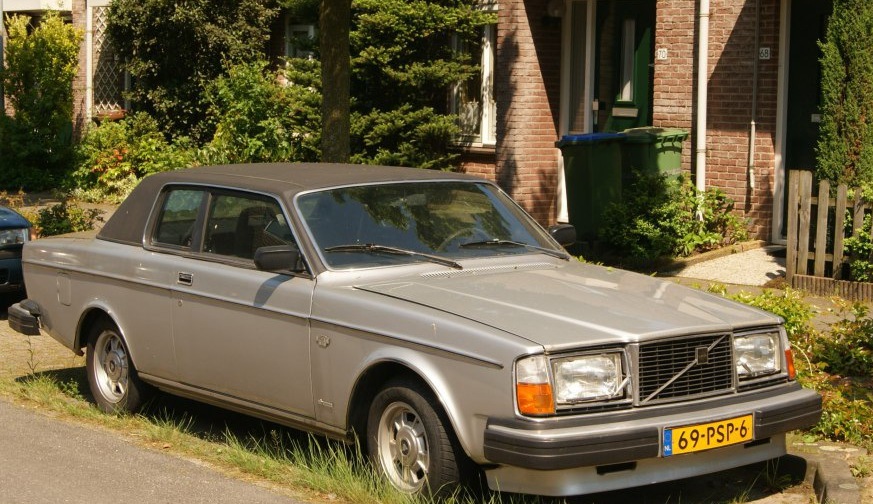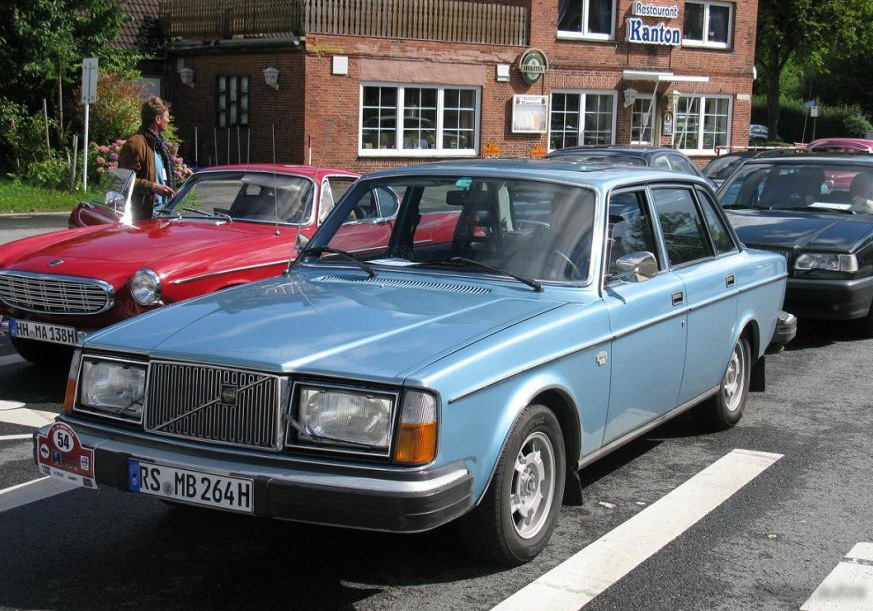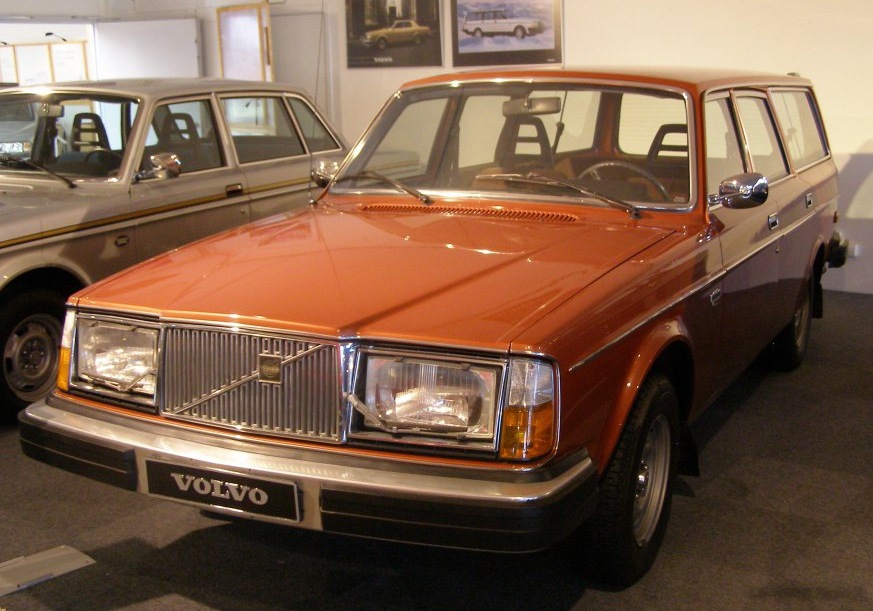
The Volvo 260 Combi, designated as the P265, represents Volvo’s foray into the premium estate car segment during the 1970s and early 1980s. Produced from 1974 to 1982, the 260 Combi was based on the 240 series but distinguished itself through upgraded features, a more refined interior, and a more powerful engine. The 2.7-liter (140 hp) variant, powered by the B27E engine, occupied a significant position within the 260 range, offering a balance of performance and practicality for discerning buyers. It was positioned as a step up from the standard 240 series, appealing to those seeking a more luxurious and capable family vehicle.
Technical Specifications
| Brand | Volvo |
| Model | 260 |
| Generation | 260 Combi (P265) |
| Type (Engine) | 2.7 (140 Hp) |
| Start of Production | 1974 |
| End of Production | 1982 |
| Powertrain Architecture | Internal Combustion Engine |
| Body Type | Station Wagon (Estate) |
| Fuel Type | Petrol (Gasoline) |
| Power | 140 Hp |
| Engine Model/Code | B27E |
| Engine Aspiration | Naturally Aspirated |
| Engine Oil Capacity | 6.5 l (6.87 US qt | 5.72 UK qt) |
| Coolant Capacity | 10.9 l (11.52 US qt | 9.59 UK qt) |
Powertrain & Engine Architecture
The heart of the 260 Combi 2.7 was the B27E engine, a 2.7-liter inline-six cylinder powerplant. This engine was an evolution of Volvo’s long-standing six-cylinder design, known for its robustness and smooth operation. The B27E featured a cast iron block and an aluminum cylinder head, contributing to its durability. Fuel delivery was managed by Bosch mechanical fuel injection, a system chosen for its reliability and relatively simple maintenance compared to early electronic fuel injection systems. The engine utilized a single overhead camshaft (SOHC) valvetrain, operating two valves per cylinder. The B27E produced 140 horsepower and approximately 195 lb-ft of torque. This power was delivered to the rear wheels through a three-speed automatic transmission with overdrive, a common pairing for this trim level. While a four-speed manual transmission was available on other 260 models, the automatic was favored by buyers prioritizing comfort and ease of driving.
Driving Characteristics
The 260 Combi 2.7 with the automatic transmission offered a comfortable and relaxed driving experience. The automatic transmission, while not offering the quickest acceleration, provided smooth gear changes and made the car easy to drive in city traffic. The overdrive function helped to improve fuel economy on highway journeys. The 2.7-liter engine provided adequate power for cruising and carrying a full load of passengers and cargo. Compared to the four-cylinder 240 models, the 260 Combi offered noticeably more refined performance. However, it wasn’t a sports car; acceleration was respectable but not exhilarating. The automatic transmission’s gear ratios were geared towards comfortable cruising rather than aggressive acceleration. Compared to the manual transmission equipped 260s, the automatic versions typically exhibited slightly lower fuel economy and a marginally slower 0-60 mph time, generally around 11-12 seconds.
Equipment & Trim Levels
The 260 Combi was positioned as a premium offering, and as such, came standard with a number of features not found on the base 240 models. Standard equipment included comfortable cloth upholstery, woodgrain interior trim, a four-spoke steering wheel, and a comprehensive instrument panel. Power steering and power-assisted disc brakes on the front wheels were also standard. Optional extras included leather upholstery, air conditioning, a sunroof, and a premium sound system. The 260 Combi also featured upgraded exterior trim, including chrome accents and distinctive badging. The interior was generally well-appointed for its time, prioritizing comfort and practicality. The estate body style offered a generous cargo capacity, making it ideal for families and those with active lifestyles.
Chassis & Braking
The 260 Combi shared its chassis with the 240 series, featuring a robust and durable design. The suspension consisted of independent front suspension with coil springs and a solid rear axle with leaf springs. The rear axle was equipped with a stabilizer bar to reduce body roll. The braking system utilized disc brakes on the front wheels and drum brakes on the rear wheels. Power assistance was standard, providing confident stopping power. The steering was a recirculating ball system, offering a relatively direct feel. The chassis was designed to provide a comfortable ride while maintaining good handling characteristics. The weight distribution was reasonably balanced, contributing to predictable handling. The suspension was tuned for comfort, absorbing bumps and irregularities in the road surface effectively.
Market Reception & Comparison
The Volvo 260 Combi was generally well-received by automotive critics. It was praised for its spacious interior, comfortable ride, and robust build quality. The 2.7-liter engine was considered a good compromise between performance and fuel economy. However, some critics noted that the automatic transmission could feel sluggish at times. Compared to other estate cars of the era, such as the Mercedes-Benz 280TE and the BMW 2700 Touring, the 260 Combi offered a more affordable alternative with a similar level of practicality and refinement. Fuel economy was reasonable for the time, averaging around 17-20 mpg in mixed driving. Reliability was generally good, although the Bosch fuel injection system required periodic maintenance. The 260 Combi appealed to buyers who wanted a practical and comfortable family car with a touch of luxury.
Legacy
The Volvo 260 Combi, particularly the 2.7-liter variant, has developed a loyal following among classic car enthusiasts. The B27E engine is known for its durability and relatively simple maintenance. While parts availability can be a challenge, many components are still available through specialist suppliers. The automatic transmission, while not as sought after as the manual, is generally reliable if properly maintained. Today, well-maintained 260 Combis are appreciating in value, as collectors recognize their rarity and unique appeal. The car represents a high point in Volvo’s engineering and design, offering a blend of practicality, comfort, and durability that remains appealing even decades after its production ended. The 260 Combi stands as a testament to Volvo’s commitment to building safe, reliable, and well-engineered vehicles.