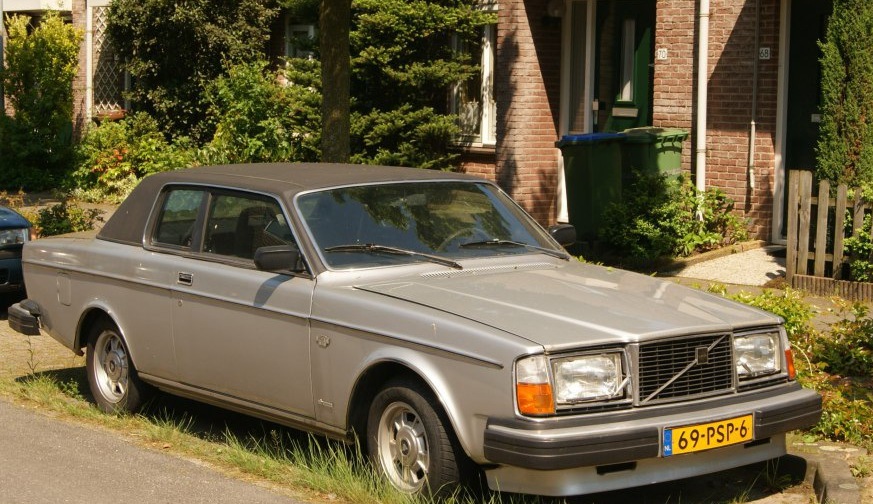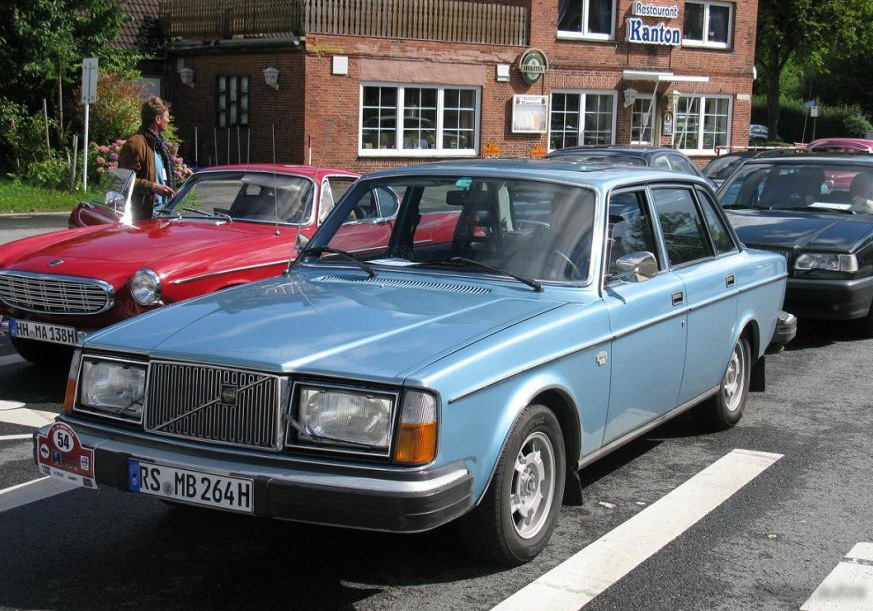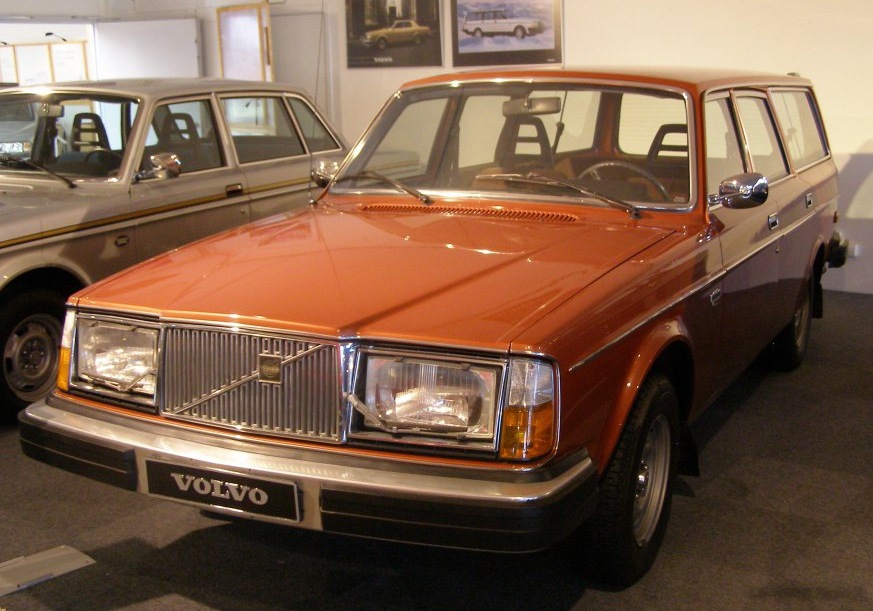
The Volvo 260 Combi (P265) 2.7, produced between 1978 and 1982, represents a significant offering from Volvo during a period of increasing demand for practical, yet refined, station wagons. Part of the larger 260 series, the Combi – Volvo’s designation for its estate models – aimed to provide a spacious and comfortable vehicle for families and those requiring substantial cargo capacity. This particular variant, powered by the B27E 2.7-liter engine producing 148 horsepower, occupied a middle ground within the 260 lineup, offering a balance between performance and fuel economy. It was positioned as a step up from the base 240 models, providing more power and a slightly more luxurious experience, but remained below the higher-performance and more expensive 260 GL models.
Technical Specifications
| Brand | Volvo |
| Model | 260 |
| Generation | 260 Combi (P265) |
| Type (Engine) | 2.7 (148 Hp) |
| Start of Production | 1978 |
| End of Production | 1982 |
| Powertrain Architecture | Internal Combustion Engine |
| Body Type | Station Wagon (Estate) |
| Fuel Type | Petrol (Gasoline) |
| Power | 148 Hp |
| Engine Model/Code | B27E |
| Engine Aspiration | Naturally Aspirated |
| Engine Oil Capacity | 6.5 l (6.87 US qt | 5.72 UK qt) |
| Coolant Capacity | 10.9 l (11.52 US qt | 9.59 UK qt) |
Powertrain & Engine Architecture
The heart of the 260 Combi 2.7 was the B27E engine, a 2.7-liter inline-six cylinder powerplant. This engine was an evolution of Volvo’s long-standing six-cylinder design, known for its smoothness and durability. The B27E featured a cast iron block and an aluminum cylinder head, contributing to its robust nature. Fuel delivery was managed by Bosch K-Jetronic mechanical fuel injection, a system favored for its reliability and relatively consistent performance. The K-Jetronic system, while not as sophisticated as later electronic fuel injection systems, provided precise fuel metering, improving efficiency and reducing emissions compared to carbureted engines. The engine employed a single overhead camshaft (SOHC) valvetrain, operating two valves per cylinder. This configuration, while simpler than dual overhead cam designs, proved to be exceptionally reliable and offered a good balance of power and torque. The 2.7-liter engine produced 148 horsepower at 5,200 rpm and 195 lb-ft of torque at 3,000 rpm. The transmission paired with the B27E in the 260 Combi was typically a three-speed automatic, although a four-speed manual transmission was also available. The automatic transmission was designed for smooth operation and ease of use, prioritizing comfort over outright performance.
Driving Characteristics
The 260 Combi 2.7 with the automatic transmission offered a comfortable and relaxed driving experience. Acceleration was adequate for everyday driving, with a 0-60 mph time estimated around 11-12 seconds. However, it wasn’t a particularly sporty vehicle. The automatic transmission, while smooth, did sap some of the engine’s power, resulting in a noticeable difference in performance compared to the manual transmission equipped models. The gear ratios were optimized for cruising, making it well-suited for long highway journeys. The torque curve of the B27E engine provided reasonable pulling power, even when fully loaded with passengers and cargo. Compared to the higher-output 260 GL models, the 2.7 felt less eager to rev, and its overall responsiveness was diminished. However, it offered a more refined and less stressed driving experience than the lower-powered 240 series.
Equipment & Trim Levels
The 260 Combi 2.7 typically came with a fairly comprehensive list of standard features for its time. These included power steering, front disc brakes, comfortable cloth upholstery, and a well-appointed interior. The dashboard layout was functional and straightforward, with clearly marked gauges and controls. Optional extras included air conditioning, a sunroof, upgraded audio systems, and leather upholstery. The trim level of the 260 Combi 2.7 generally fell between the base 240 models and the more luxurious 260 GL. It offered a step up in interior materials and features, but lacked some of the premium touches found in the GL trim. The exterior typically featured chrome trim around the windows and bumpers, and a relatively understated design that was characteristic of Volvo’s styling philosophy during the late 1970s and early 1980s.
Chassis & Braking
The 260 Combi 2.7 utilized a robust chassis construction, featuring a separate body-on-frame design. This contributed to the vehicle’s durability and ability to withstand heavy loads. The suspension consisted of independent front suspension with coil springs and a solid rear axle with leaf springs. This setup provided a comfortable ride, although it wasn’t particularly sporty. Braking was handled by disc brakes on the front wheels and drum brakes on the rear wheels. Power assist was standard, providing adequate stopping power for most driving conditions. The steering was a recirculating ball system, which offered a relatively heavy feel but provided good feedback. Stabilizer bars were fitted to both the front and rear axles to reduce body roll during cornering.
Market Reception & Comparison
The Volvo 260 Combi 2.7 was generally well-received by automotive critics. It was praised for its spacious interior, comfortable ride, and robust build quality. However, some critics noted its relatively modest performance and somewhat dated styling. Compared to other station wagons of the era, such as the Mercedes-Benz 240D or the BMW 5 Series Touring, the 260 Combi offered a compelling combination of practicality, comfort, and safety. Fuel economy was reasonable for a vehicle of its size and engine displacement, averaging around 18-22 mpg in mixed driving conditions. Reliability was generally good, although the K-Jetronic fuel injection system could require occasional maintenance. Compared to the 260 GL models, the 2.7 offered a more affordable entry point into the 260 series, making it an attractive option for families and those seeking a practical and reliable station wagon.
Legacy
The Volvo 260 Combi 2.7, while not as iconic as some of Volvo’s other models, remains a respected and sought-after classic car. The B27E engine is known for its longevity and relatively simple maintenance requirements. Well-maintained examples are still found on the road today, testament to Volvo’s engineering prowess. In the used car market, the 260 Combi 2.7 typically commands a moderate price, reflecting its age and condition. It appeals to enthusiasts who appreciate its classic styling, comfortable ride, and robust build quality. The car represents a significant chapter in Volvo’s history, showcasing the company’s commitment to safety, practicality, and durability. The combination of the 2.7-liter engine and automatic transmission, while not the most performance-oriented setup, provided a comfortable and reliable driving experience that continues to be appreciated by owners and enthusiasts alike.