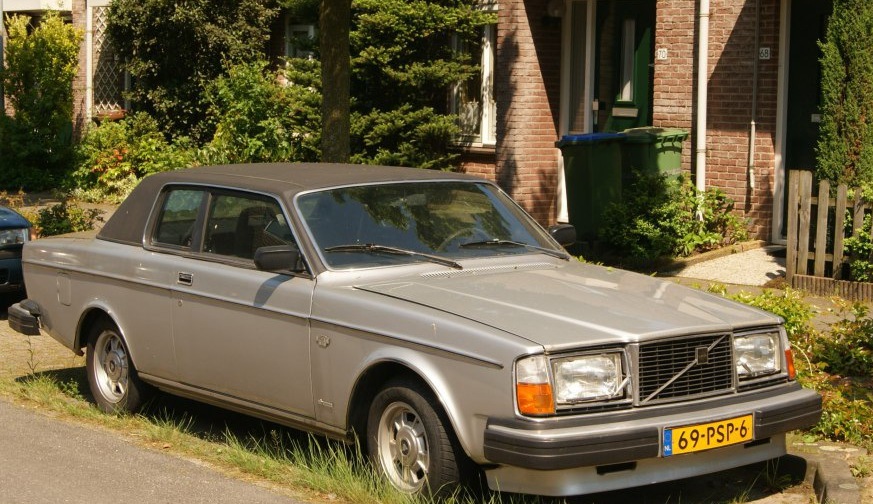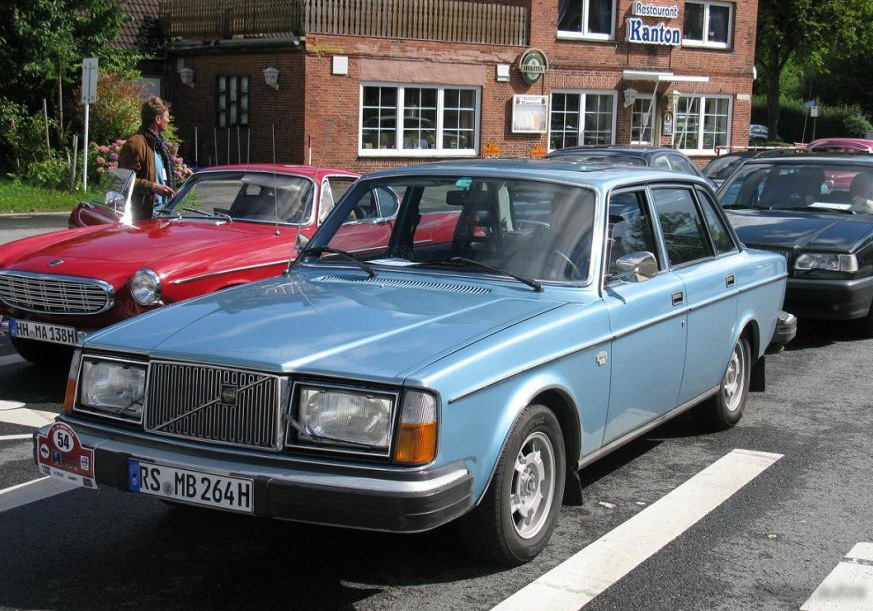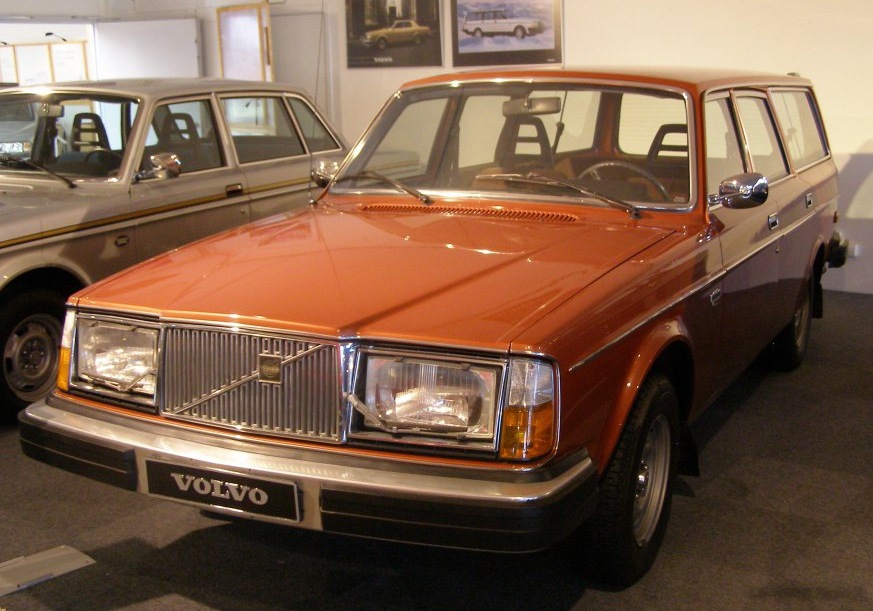
The Volvo 260 Combi (P265) 2.8, produced between 1980 and 1982, represents a refined iteration of Volvo’s long-running 200 series, specifically the estate (station wagon) variant. Positioned as a premium offering within the 260 range, it combined the practicality of a wagon with a relatively powerful, fuel-injected engine. The P265 chassis code designates this as the estate version of the 260, building upon the success of the 240 series and offering a more luxurious experience. It was part of the second generation of the 200 series, known for its robust construction and emphasis on safety, a hallmark of the Volvo brand.
Technical Specifications
| Brand | Volvo |
| Model | 260 |
| Generation | 260 Combi (P265) |
| Type (Engine) | 2.8 (155 Hp) |
| Start of Production | 1980 |
| End of Production | 1982 |
| Powertrain Architecture | Internal Combustion Engine |
| Body Type | Station Wagon (Estate) |
| Fuel Type | Petrol (Gasoline) |
| Power | 155 Hp |
| Engine Model/Code | B28E |
| Engine Aspiration | Naturally Aspirated |
| Engine Oil Capacity | 6.5 l (6.87 US qt | 5.72 UK qt) |
Powertrain & Engine Architecture
The heart of the 260 Combi 2.8 is the B28E engine, a 2.8-liter inline-six cylinder powerplant. This engine is a significant evolution of Volvo’s venerable ‘Redblock’ family, known for its durability and over-engineering. The ‘E’ designation signifies the Bosch K-Jetronic fuel injection system, a mechanical system that offered improved fuel efficiency and performance compared to earlier carbureted versions. The B28E features a cast iron block and an aluminum cylinder head, contributing to its robust nature. It utilizes a single overhead camshaft (SOHC) design with two valves per cylinder. The engine produces 155 horsepower at approximately 5200 rpm and 179 lb-ft of torque at 3000 rpm. While Volvo offered both manual and automatic transmissions with the 260, the Combi 2.8 was frequently paired with a four-speed automatic transmission, designed for smooth and comfortable cruising. This transmission, while reliable, wasn’t known for its sporty responsiveness.
Driving Characteristics
The 260 Combi 2.8, equipped with the automatic transmission, offered a relaxed and refined driving experience. Acceleration was adequate for the time, with a 0-60 mph time estimated around 10-11 seconds. The automatic transmission’s gear ratios were geared towards comfort and fuel economy rather than outright performance. Compared to the manual transmission versions, the automatic felt noticeably slower, particularly during overtaking maneuvers. The B28E engine, however, provided ample torque for everyday driving and hauling cargo. The car’s substantial weight (around 3,400 lbs) contributed to a stable and planted feel on the road, but also limited its agility. The steering was relatively heavy, typical of Volvo’s of this era, providing a sense of connection to the road. The automatic transmission, while smooth, lacked the driver engagement offered by the manual option.
Equipment & Trim Levels
The 260 Combi 2.8 represented the upper echelon of the 200 series wagons. Standard equipment included comfortable cloth upholstery, woodgrain interior trim, and a comprehensive instrument panel. Power steering and power-assisted brakes were also standard. The 260 trim level added features like upgraded interior materials, a more refined stereo system, and additional sound insulation. Optional extras included leather upholstery, sunroof, air conditioning, and cruise control. The interior design prioritized functionality and ergonomics, with a focus on driver and passenger comfort. The dashboard layout was straightforward and easy to use, reflecting Volvo’s commitment to user-friendly design. The Combi’s rear seating area was spacious and versatile, with folding rear seats to expand cargo capacity.
Chassis & Braking
The 260 Combi utilized a robust chassis featuring independent front suspension with MacPherson struts and a solid rear axle with coil springs. The suspension was tuned for comfort and stability, providing a smooth ride even on uneven surfaces. Braking duties were handled by disc brakes on all four wheels, providing ample stopping power. Power-assisted braking was standard. The rear suspension, while effective, was a simpler design compared to the independent rear suspension found on some competing European wagons. Stabilizer bars were fitted to both the front and rear axles to reduce body roll during cornering. The chassis design prioritized safety and durability, reflecting Volvo’s engineering philosophy.
Market Reception & Comparison
The Volvo 260 Combi 2.8 was generally well-received by automotive critics. It was praised for its spacious interior, comfortable ride, and robust build quality. However, some critics noted its relatively high price compared to other wagons in the market. Compared to the 240 series, the 260 offered a more luxurious and refined experience, but at a higher cost. Within the 260 range, the 2.8-liter engine provided a noticeable performance advantage over the smaller 2.1-liter and 2.3-liter engines. Fuel economy was reasonable for the time, averaging around 18-22 mpg in mixed driving. Reliability was generally excellent, with the B28E engine proving to be exceptionally durable. The automatic transmission, while smooth, was sometimes criticized for its lack of responsiveness.
Legacy
The Volvo 260 Combi 2.8, while a relatively short-lived model, has gained a devoted following among Volvo enthusiasts. The B28E engine is renowned for its longevity and ability to withstand high mileage. Today, well-maintained examples are sought after by collectors and enthusiasts. The car’s robust construction and simple mechanical design make it relatively easy to maintain and repair. Parts availability is generally good, although some trim-specific components can be difficult to find. The 260 Combi 2.8 represents a high point in Volvo’s wagon heritage, combining practicality, luxury, and durability in a stylish and understated package. Its enduring appeal is a testament to Volvo’s commitment to building safe, reliable, and comfortable vehicles.