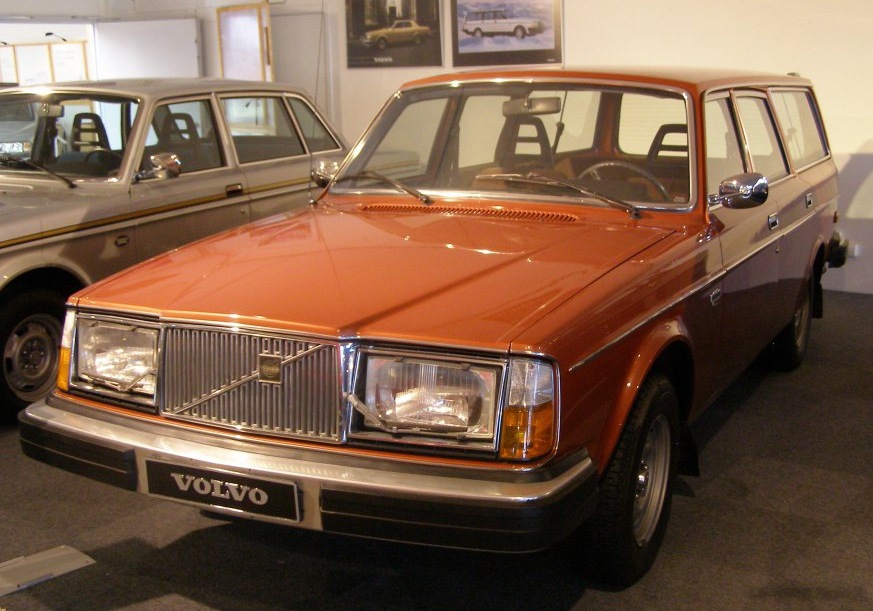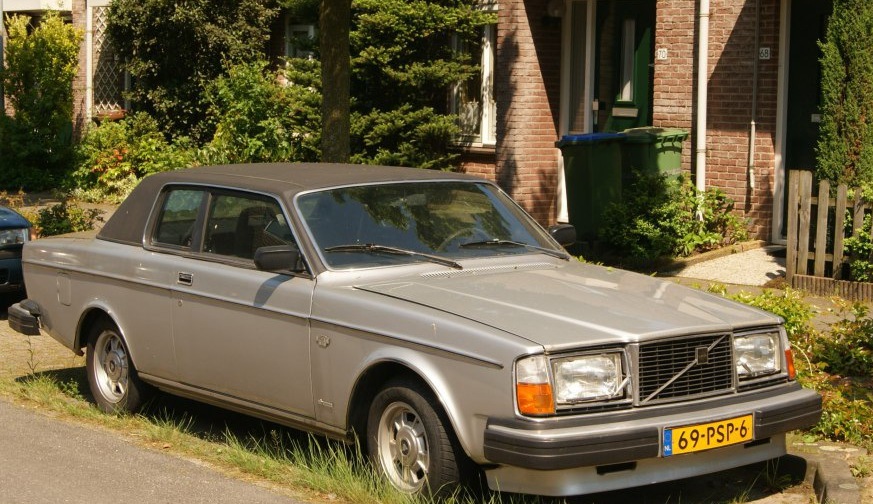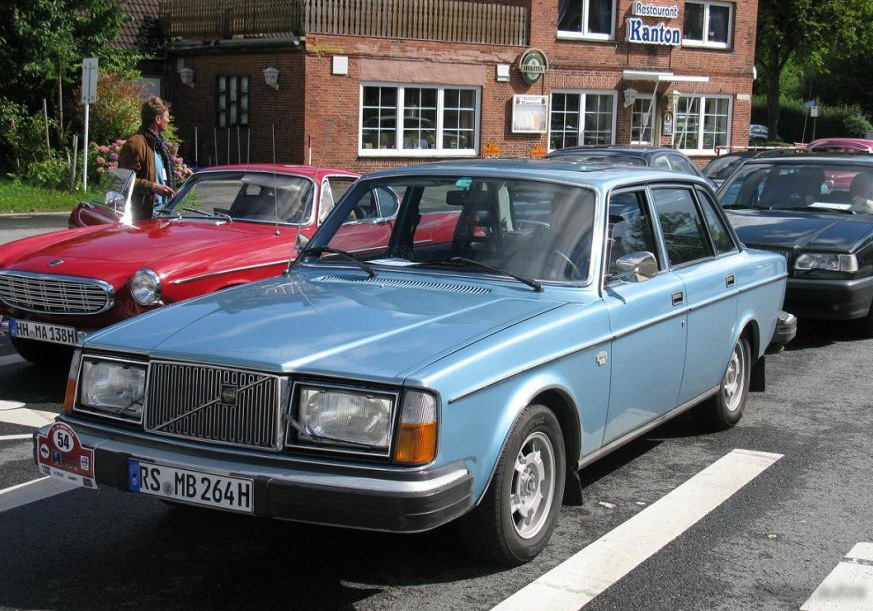
The Volvo 260, specifically the variants designated P262 and P264 powered by the 2.7-liter B27A engine producing 125 horsepower, represented a significant step in Volvo’s evolution during the mid-1970s. Produced from 1976 to 1977, these models served as the top-of-the-line offering within the 200 series, bridging the gap between the more common 240 series and the luxury aspirations Volvo was cultivating. The 260 was intended to offer a more refined and powerful driving experience than its 240 counterparts, primarily targeting North American and European markets seeking a blend of Scandinavian practicality and upscale features. This particular engine and trim level occupied the premium position in the 200 series lineup during its brief production run.
Technical Specifications
| Brand | Volvo |
| Model | 260 (P262, P264) |
| Generation | 260 (P262, P264) |
| Engine Type | 2.7-liter Inline-Six |
| Horsepower | 125 hp |
| Engine Code | B27A |
| Engine Aspiration | Naturally Aspirated |
| Fuel Type | Petrol (Gasoline) |
| Body Type | Sedan |
| Seats | 5 |
| Doors | 4 |
| Engine Oil Capacity | 6.5 liters (6.87 US quarts / 5.72 UK quarts) |
Powertrain & Engine Architecture
The heart of the Volvo 260 was the B27A engine, a 2.7-liter inline-six cylinder powerplant. This engine was a development of Volvo’s long-standing six-cylinder tradition, known for its smoothness and durability. The B27A featured a cast iron block and an aluminum cylinder head, contributing to its robust construction. Fuel delivery was managed by a Bosch mechanical fuel injection system, a relatively sophisticated setup for the time, offering improved efficiency and performance compared to carbureted engines. The engine utilized a single overhead camshaft (SOHC) valvetrain, operating two valves per cylinder. While not a high-revving engine, the B27A produced a respectable 125 horsepower and approximately 170 lb-ft of torque. The transmission paired with the B27A was typically a three-speed automatic, designed to provide comfortable and effortless cruising. This automatic transmission, while reliable, wasn’t known for its sporty responsiveness, prioritizing smooth shifts over outright acceleration.
Driving Characteristics
The Volvo 260 with the 2.7-liter engine and automatic transmission offered a distinctly comfortable and refined driving experience. Acceleration was adequate for the era, with a 0-60 mph time estimated around 11-12 seconds. However, it wasn’t a particularly quick car compared to some of its competitors. The automatic transmission’s gear ratios were geared towards relaxed cruising, resulting in a noticeable delay in downshifts when needing to accelerate quickly. Compared to the manual transmission versions of the 260, the automatic suffered a noticeable performance deficit. The manual offered a more engaging driving experience and slightly quicker acceleration. The 260’s suspension, while comfortable, wasn’t particularly sporty, prioritizing ride quality over sharp handling. The car felt stable and predictable, but lacked the agility of some European sports sedans.
Equipment & Trim Levels
The Volvo 260 was positioned as the luxury trim within the 200 series. Standard equipment included comfortable cloth upholstery, woodgrain interior trim, and a comprehensive instrument panel. Power steering and power-assisted brakes were also standard features. Optional extras included leather upholstery, air conditioning, a sunroof, and a premium sound system. The interior design emphasized Scandinavian minimalism and functionality, with a focus on ergonomics and safety. The dashboard layout was clean and straightforward, with easy-to-read gauges. The 260’s trim level generally included more sound deadening material than the 240 models, contributing to a quieter cabin experience.
Chassis & Braking
The Volvo 260 utilized a traditional body-on-frame construction, providing a robust and durable chassis. The suspension consisted of independent front suspension with coil springs and a solid rear axle with leaf springs. The braking system featured disc brakes on all four wheels, providing adequate stopping power for the car’s weight and performance. However, the braking system lacked the sophistication of more modern systems, such as anti-lock brakes (ABS), which were not yet widely available in the mid-1970s. The 260’s chassis was designed to prioritize safety and comfort, rather than outright handling performance. Stabilizer bars were included both front and rear to reduce body roll during cornering, but the car still exhibited noticeable body lean.
Market Reception & Comparison
The Volvo 260 received generally positive reviews from automotive critics. It was praised for its comfortable ride, spacious interior, and robust build quality. However, some critics noted its relatively modest performance and somewhat dated styling. Compared to other luxury sedans of the time, such as the Mercedes-Benz 280E and the BMW 530i, the 260 offered a more affordable alternative, but lacked the same level of prestige and performance. Within the Volvo lineup, the 260 was positioned above the 240 series in terms of price and features. The 240, with its more fuel-efficient engines and lower price point, proved to be a more popular model overall. The 260’s fuel economy was relatively poor compared to the 240, due to its larger engine displacement. Reliability was generally good, but the Bosch fuel injection system could require occasional maintenance.
Legacy
The Volvo 260, despite its short production run, holds a special place in Volvo history. It represented a bold attempt to move the brand further upmarket and establish a reputation for luxury and refinement. While it didn’t achieve the same sales success as the 240, the 260 paved the way for future Volvo models that would embrace more upscale features and technologies. Today, the Volvo 260 is a sought-after classic car, particularly among Volvo enthusiasts. The B27A engine is known for its durability and relatively simple maintenance requirements. Well-maintained examples of the 260 can still provide a comfortable and enjoyable driving experience, offering a glimpse into the automotive landscape of the 1970s. Parts availability can be a challenge, but a dedicated network of Volvo enthusiasts and suppliers continues to support these classic vehicles. The 260’s enduring appeal lies in its combination of Scandinavian practicality, robust engineering, and understated elegance.