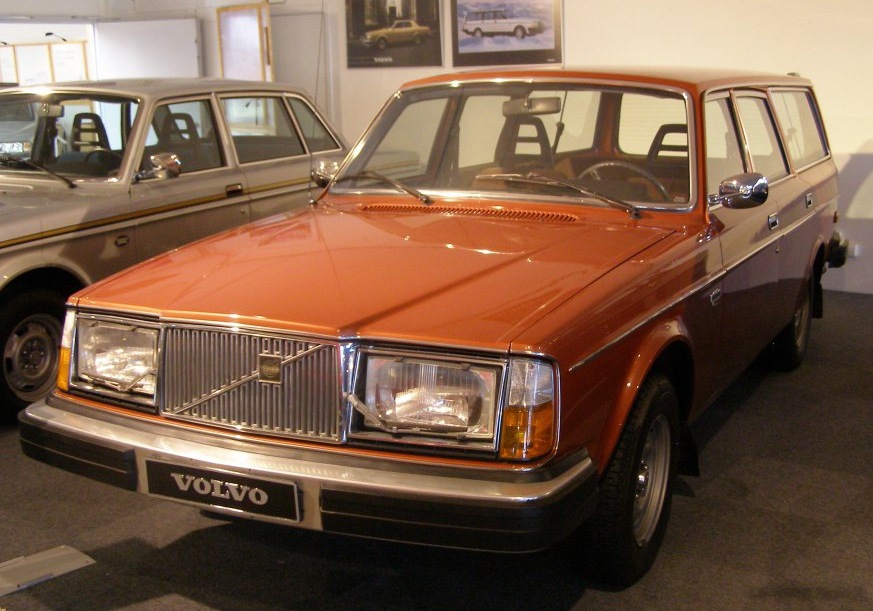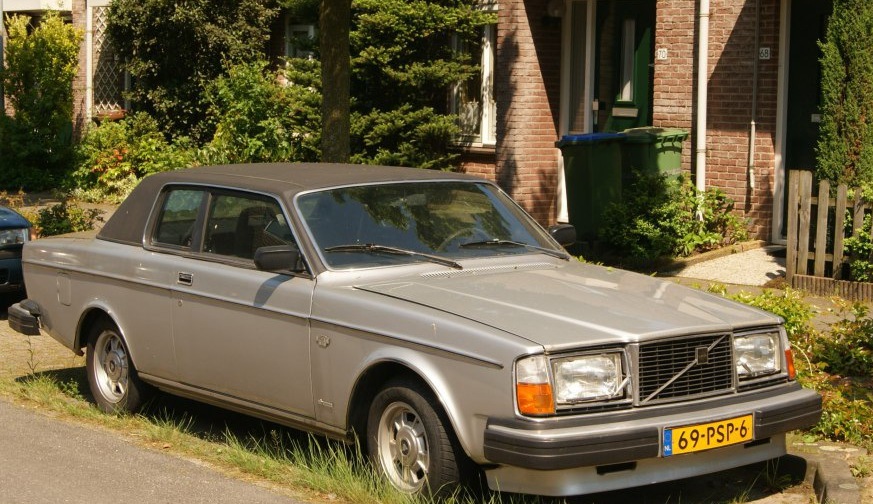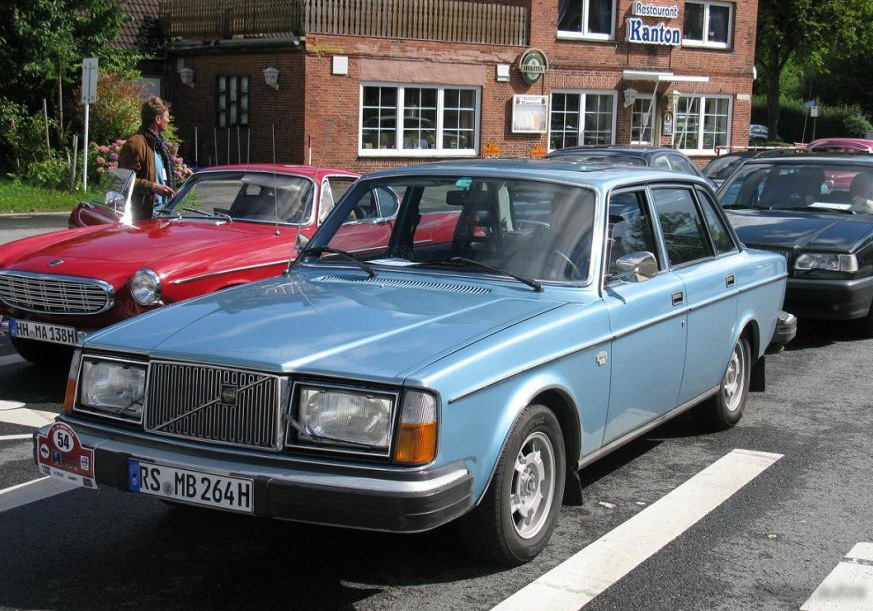
The Volvo 260, encompassing variants designated P262 and P264, was powered by the 2.7-liter B27E engine producing 140 horsepower. It represented a significant move upmarket for Volvo during its production run from 1974 to 1980. Positioned as the flagship model within the 200 series, the 260 aimed to compete with larger, more luxurious sedans from European manufacturers such as BMW and Mercedes-Benz, while upholding Volvo’s well-known dedication to safety. This model was instrumental in Volvo’s strategy to solidify its position as a premium brand, particularly in the North American market, where it achieved considerable success. The 260 series built upon the foundations laid by the earlier 140 and 164 models, offering increased refinement and a more potent engine.
Technical Specifications
| Brand | Volvo |
| Model | 260 (P262, P264) |
| Generation | 260 (P262, P264) |
| Engine Type | 2.7-liter Inline-Six |
| Power Output | 140 hp |
| Engine Code | B27E |
| Engine Aspiration | Naturally Aspirated |
| Fuel Type | Petrol (Gasoline) |
| Body Type | Sedan |
| Number of Seats | 5 |
| Number of Doors | 4 |
| Engine Oil Capacity | 6.5 liters (6.87 US quarts / 5.72 UK quarts) |
| Coolant Capacity | 10.9 liters (11.52 US quarts / 9.59 UK quarts) |
Powertrain & Engine Architecture
The core of the Volvo 260 was the B27E engine, a 2.7-liter inline-six cylinder powerplant. This engine was an evolution of Volvo’s established six-cylinder design, renowned for its smoothness and durability. The B27E featured a cast iron block and an aluminum cylinder head, contributing to its robust construction. Fuel delivery was managed by Bosch mechanical fuel injection, a relatively advanced system for its time, replacing the carburetors used in previous models. This injection system improved fuel efficiency and reduced emissions compared to carbureted engines. The engine utilized a single overhead camshaft (SOHC) valvetrain, operating two valves per cylinder. While not as technologically sophisticated as dual overhead cam designs, the SOHC configuration provided a good balance of performance and reliability. The engine’s 140 horsepower and 178 lb-ft of torque were delivered at relatively low engine speeds, providing good drivability. The 260 was typically paired with a three-speed automatic transmission, although a four-speed manual transmission was also available, though less common, especially in the North American market.
Driving Characteristics
The Volvo 260, equipped with the 2.7-liter engine and automatic transmission, offered a comfortable and refined driving experience. Acceleration was adequate for the era, with a 0-60 mph time estimated around 10-11 seconds. However, it wasn’t engineered for outright performance; instead, the emphasis was on smooth power delivery and relaxed cruising. The automatic transmission, while providing convenience, did somewhat limit the engine’s potential, with gear ratios optimized for fuel economy and comfort rather than spirited driving. Compared to the 240 models with the smaller four-cylinder engines, the 260 offered a noticeable increase in power and refinement. The larger engine also provided a more relaxed driving experience on the highway, with ample torque for passing maneuvers. The manual transmission version, when equipped, offered a more engaging driving experience, allowing the driver to fully utilize the engine’s power band.
Equipment & Trim Levels
The Volvo 260 was well-equipped for its time, reflecting its position as Volvo’s flagship model. Standard features typically included power steering, power brakes, comfortable cloth upholstery, and a comprehensive instrument panel. The interior was designed with a focus on ergonomics and practicality, consistent with Volvo’s design philosophy. Optional extras included leather upholstery, air conditioning, a sunroof, and a premium sound system. Trim levels were relatively straightforward, with the primary distinction being the addition of optional equipment. The 260 was often seen with woodgrain trim on the dashboard and door panels, enhancing its luxurious feel. Safety features were, as always with Volvo, a priority, with standard equipment including front and rear seatbelts and a reinforced safety cage.
Chassis & Braking
The Volvo 260 utilized a robust chassis with independent front suspension and a solid rear axle. The front suspension featured coil springs and an anti-roll bar, providing a comfortable ride and good handling. The rear suspension, while simpler, was durable and well-suited for carrying passengers and luggage. Braking was initially accomplished with disc brakes on the front wheels and drum brakes on the rear. Later models saw the adoption of disc brakes on all four wheels, improving stopping performance. The braking system was hydraulic, with power assistance for ease of use. Steering was a recirculating ball system, providing a stable and predictable feel, though it lacked the precision of more modern steering technologies.
Market Reception & Comparison
The Volvo 260 was generally well-received by automotive critics, who praised its safety, comfort, and build quality. However, some critics noted that its performance wasn’t as competitive as some of its rivals, particularly those from BMW and Mercedes-Benz. Fuel economy was also a concern, as the 2.7-liter engine was relatively thirsty compared to smaller-engined competitors. Compared to the 240 series, the 260 offered a more luxurious and refined experience, but at a higher price point. The 260’s reliability was generally good, although the Bosch fuel injection system could require occasional maintenance. The automatic transmission, while reliable, wasn’t known for its sporty performance.
Legacy
The Volvo 260, while not a high-volume seller compared to the 240 series, played an important role in establishing Volvo’s reputation as a premium brand. The B27E engine proved to be a durable and reliable powerplant, and many 260s remain on the road today. In the used car market, the 260 is appreciated by enthusiasts for its classic styling, comfortable ride, and robust construction. Parts availability is generally good, although some specific components for the fuel injection system can be difficult to find. The 260 represents a unique chapter in Volvo’s history, bridging the gap between the company’s traditional values of safety and practicality and its aspirations to compete in the luxury car segment. The car’s enduring appeal lies in its blend of Scandinavian design, engineering integrity, and a commitment to passenger safety.