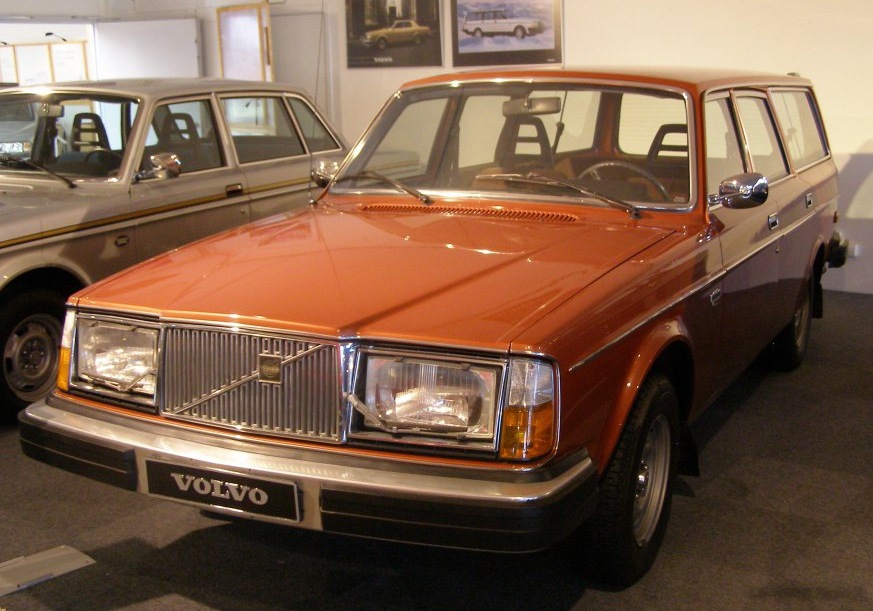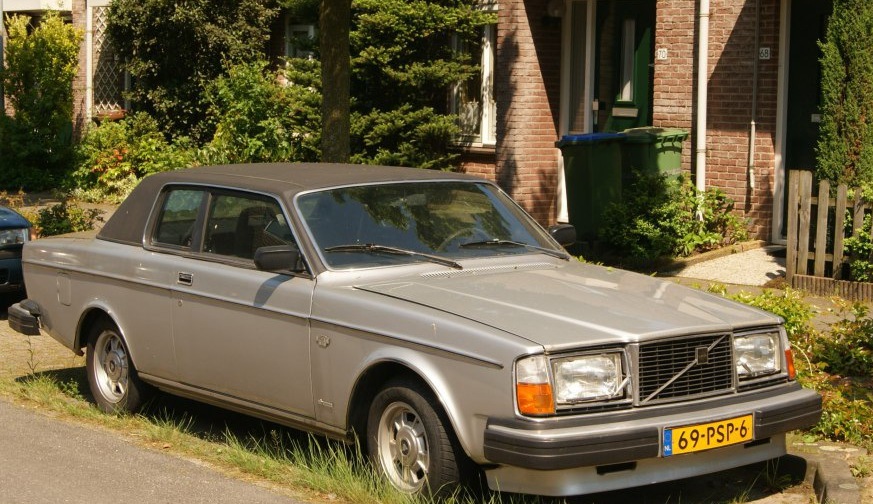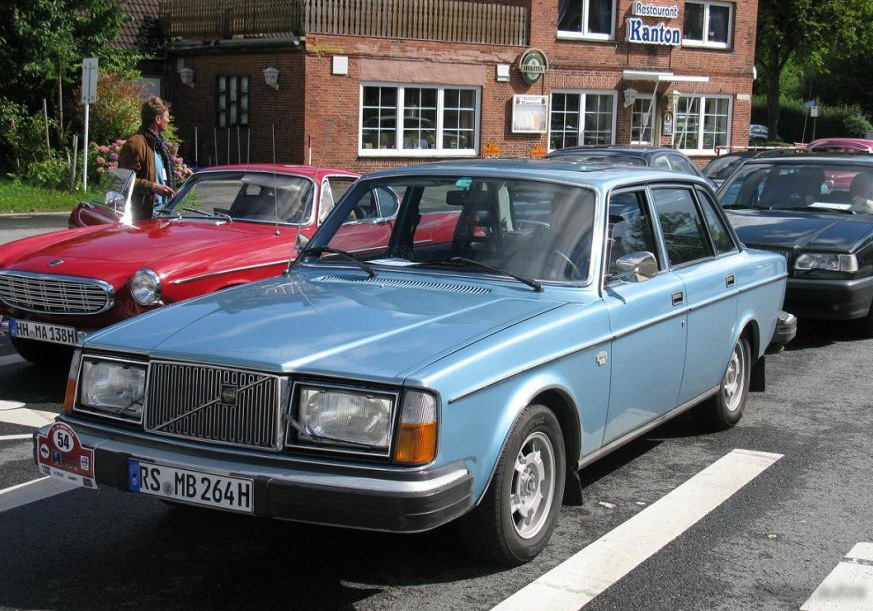
The Volvo 260, specifically the variants designated P262 and P264 powered by the 2.7-liter B27E engine producing 148 horsepower, represented a significant step in Volvo’s evolution towards larger, more luxurious vehicles. Produced between 1979 and 1982, these models bridged the gap between the earlier 140 and 240 series and the subsequent 700 series. The 260 was Volvo’s attempt to compete more directly with larger sedans from Mercedes-Benz and BMW, offering a blend of Swedish practicality, safety, and a more refined driving experience. This particular engine and configuration occupied a middle ground in the 260 lineup, offering a balance between performance and fuel economy, aimed at buyers seeking a comfortable and reliable grand tourer.
Technical Specifications
| Brand | Volvo |
| Model | 260 |
| Generation | 260 (P262, P264) |
| Engine Type | 2.7 (148 Hp) |
| Production Years | 1979 – 1982 |
| Powertrain Architecture | Internal Combustion Engine |
| Body Type | Sedan |
| Seats | 5 |
| Doors | 4 |
| Fuel Type | Petrol (Gasoline) |
| Power | 148 Hp |
| Engine Model/Code | B27E |
| Engine Aspiration | Naturally Aspirated |
| Engine Oil Capacity | 6.5 l (6.87 US qt | 5.72 UK qt) |
| Coolant Capacity | 10.9 l (11.52 US qt | 9.59 UK qt) |
Powertrain & Engine Architecture
The heart of the Volvo 260 was the B27E engine, a 2.7-liter inline-six cylinder powerplant. This engine was an evolution of Volvo’s long-standing six-cylinder design, known for its smoothness and durability. The B27E featured a cast iron block and an aluminum cylinder head, contributing to its robust construction. Fuel delivery was managed by Bosch K-Jetronic mechanical fuel injection, a system favored for its reliability and relatively consistent performance. The engine utilized a single overhead camshaft (SOHC) valvetrain, operating two valves per cylinder. While not particularly high-revving, the B27E produced a respectable 148 horsepower and approximately 195 lb-ft of torque. This torque output, available relatively low in the rev range, made the 260 a capable cruiser. The engine was typically paired with a three-speed automatic transmission, although a four-speed manual was also available. The automatic transmission, while providing smooth shifts, was not known for its sporty responsiveness and contributed to a slightly more relaxed driving experience.
Driving Characteristics
The Volvo 260 2.7 automatic offered a comfortable and refined driving experience, prioritizing smoothness and quietness over outright performance. Acceleration was adequate for the time, with a 0-60 mph time estimated around 10-11 seconds. The automatic transmission’s gear ratios were geared towards relaxed cruising, making it well-suited for highway driving. Compared to the four-speed manual version, the automatic felt noticeably less engaging and offered less control, particularly when attempting spirited driving. The B27E engine delivered its power in a linear fashion, with a broad torque curve that made overtaking at highway speeds relatively effortless. However, the car’s weight – around 3,300 pounds – and the automatic transmission’s efficiency losses meant that fuel economy was not a strong point, averaging around 17-20 mpg in mixed driving conditions. The steering was power-assisted, providing light and easy maneuverability, but lacked the feedback preferred by driving enthusiasts.
Equipment & Trim Levels
The Volvo 260, even in its base form, was well-equipped for the late 1970s and early 1980s. Standard features included power steering, power brakes, cloth upholstery, and a comprehensive instrument panel. The 260 typically featured a woodgrain trim on the dashboard and door panels, adding a touch of luxury. Optional extras included leather upholstery, air conditioning, a sunroof, and a premium sound system. The P262 designation generally indicated a slightly more basic trim level, while the P264 offered more standard features and a higher level of interior refinement. The interior design emphasized functionality and ergonomics, with comfortable seating and a logical layout of controls. The car’s emphasis on safety was also reflected in its standard equipment, including front and rear seatbelts and a robust crumple zone design.
Chassis & Braking
The Volvo 260 utilized a traditional body-on-frame construction, providing a solid and durable chassis. The suspension consisted of independent front suspension with coil springs and a live rear axle with leaf springs. This setup prioritized ride comfort over handling precision. The rear suspension, in particular, was known for its tendency to exhibit some axle hop under hard acceleration. Braking was initially accomplished with disc brakes at the front and drum brakes at the rear. Later models saw the adoption of disc brakes all around, improving stopping performance. The braking system was hydraulic, with power assistance. Stabilizer bars were fitted to both the front and rear axles, helping to reduce body roll during cornering. The steering system was a recirculating ball type, providing smooth and predictable steering response.
Market Reception & Comparison
The Volvo 260 was generally well-received by automotive critics, who praised its safety, comfort, and build quality. However, it was often criticized for its relatively modest performance and somewhat dated styling. Compared to its rivals from Mercedes-Benz and BMW, the 260 offered a more affordable entry point into the luxury sedan segment. Within the Volvo lineup, the 260 2.7 automatic sat between the more economical 240 series and the more powerful 260 GL models. The 260 GL, with its higher compression ratio and slightly more aggressive tuning, offered noticeably better performance. Fuel economy was comparable to other large sedans of the era, but the 260’s weight and automatic transmission meant that it was not as fuel-efficient as some of its competitors. Reliability was generally good, although the K-Jetronic fuel injection system could require occasional maintenance.
Legacy
The Volvo 260, particularly the 2.7-liter variants, has developed a loyal following among classic car enthusiasts. The B27E engine is known for its durability and relatively simple maintenance requirements. While parts availability can be a challenge, many components are still readily available through specialist suppliers. The 260’s emphasis on safety and practicality continues to resonate with owners today. In the used car market, well-maintained examples of the 260 2.7 automatic can command reasonable prices, reflecting their rarity and classic status. The car represents a unique chapter in Volvo’s history, showcasing the company’s commitment to building safe, reliable, and comfortable vehicles. The 260 paved the way for the more modern and technologically advanced Volvo models that followed, solidifying the brand’s reputation for innovation and quality.