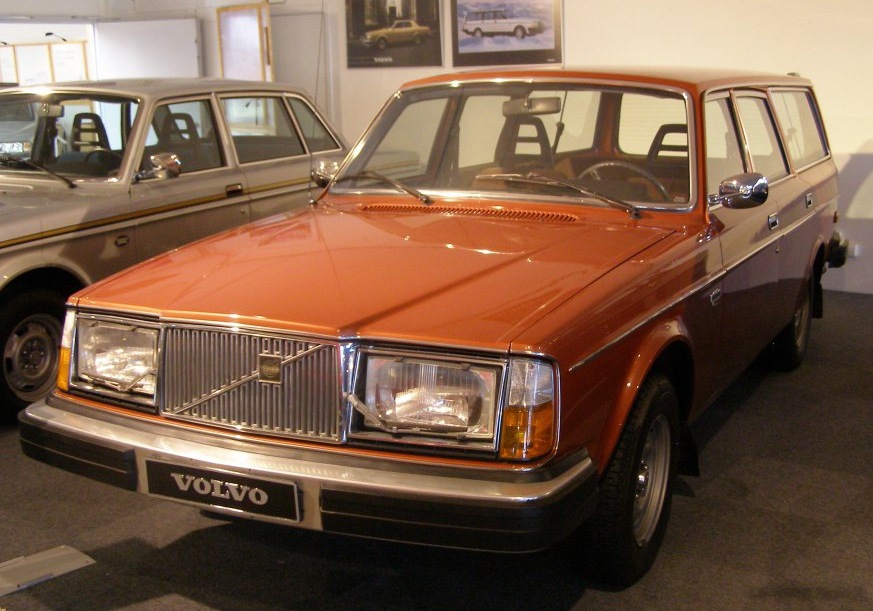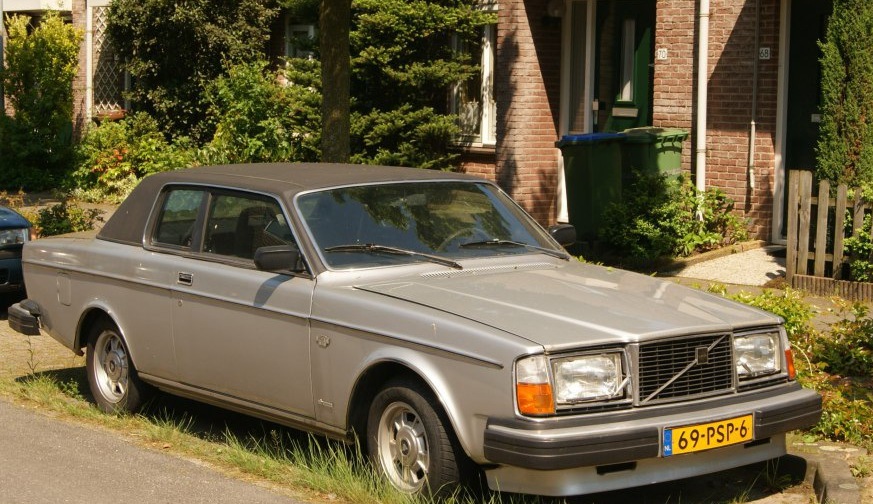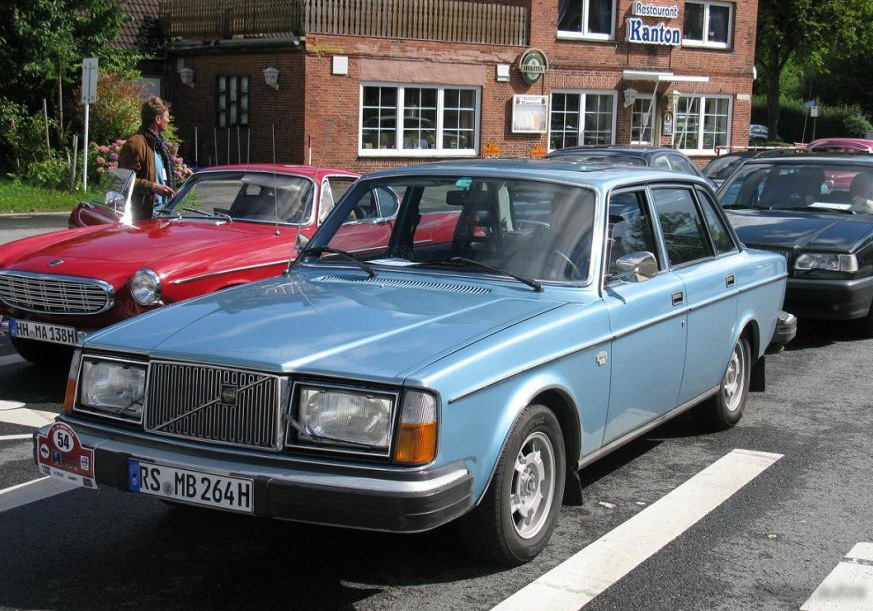
The Volvo 260, specifically the 2.8-liter (129 hp) variant produced between 1980 and 1982 (chassis codes P262 and P264), represented a significant step in Volvo’s evolution towards more modern, luxury-oriented sedans. Positioned as the top-of-the-line model in the 260 series, it aimed to provide a comfortable and refined driving experience, particularly for the North American market where larger, more powerful cars were favored. This generation bridged the gap between the older, more utilitarian Volvos and the newer, more technologically advanced models that would follow in the 1980s. The 260 series, and this variant in particular, was crucial in establishing Volvo’s reputation for safety and durability.
Technical Specifications
| Brand | Volvo |
| Model | 260 |
| Generation | 260 (P262, P264) |
| Type (Engine) | 2.8 (129 Hp) |
| Start of Production | 1980 |
| End of Production | 1982 |
| Powertrain Architecture | Internal Combustion Engine |
| Body Type | Sedan |
| Seats | 5 |
| Doors | 4 |
| Fuel Type | Petrol (Gasoline) |
| Power | 129 Hp |
| Engine Model/Code | B28A |
| Engine Aspiration | Naturally Aspirated |
| Engine Oil Capacity | 6.5 l (6.87 US qt | 5.72 UK qt) |
Powertrain & Engine Architecture
The heart of the Volvo 260 was the B28A engine, a 2.8-liter inline-six cylinder powerplant. This engine was a descendant of Volvo’s long-running B27 and B28 series, known for their robustness and longevity. The B28A featured a cast iron block and an aluminum cylinder head, contributing to its durability. It utilized a Bosch K-Jetronic mechanical fuel injection system, a sophisticated system for its time, providing precise fuel delivery and contributing to relatively smooth operation. The engine employed a single overhead camshaft (SOHC) valvetrain, operating two valves per cylinder. While not a high-revving engine, the B28A produced a respectable 129 horsepower and approximately 179 lb-ft of torque. This torque was available relatively low in the rev range, making the 260 a capable cruiser. The engine was paired with a three-speed automatic transmission, a common choice for American buyers prioritizing convenience over outright performance. This transmission was designed for smooth shifts and reliable operation, though it wasn’t known for its responsiveness.
Driving Characteristics
The 129 hp and automatic transmission combination resulted in a driving experience focused on comfort and ease of use rather than sporty performance. Acceleration was adequate for highway merging and passing, but not particularly brisk. The automatic transmission’s gear ratios were geared towards fuel economy and relaxed cruising. The 260 wasn’t a car designed for spirited driving; its strengths lay in its ability to provide a smooth, quiet ride. The relatively high weight of the vehicle, typical of Volvos of this era, further dampened any sense of agility. Compared to the manual transmission versions of the 260, the automatic was noticeably slower in acceleration. The manual offered a more engaging driving experience and allowed the engine to operate more efficiently. However, the automatic was preferred by many buyers who valued the convenience it offered, especially in city driving.
Equipment & Trim Levels
The Volvo 260, as the flagship model, came reasonably well-equipped, even by 1980s standards. Standard features typically included power steering, power brakes, cloth upholstery, and a comprehensive instrument panel. The interior was designed with comfort in mind, featuring supportive seats and a relatively spacious cabin. Optional extras included leather upholstery, a sunroof, air conditioning, and a premium sound system. The 260 also offered features focused on safety, such as front disc brakes and a reinforced passenger safety cage, hallmarks of Volvo engineering. The dashboard layout was functional and straightforward, prioritizing ease of use over flashy design. Trim levels were relatively simple, with most variations coming down to the addition of optional packages.
Chassis & Braking
The Volvo 260 utilized a traditional body-on-frame construction, contributing to its robust feel and durability. The suspension consisted of independent front suspension with coil springs and a solid rear axle with leaf springs. This setup provided a comfortable ride, but wasn’t particularly sporty. The braking system featured disc brakes on the front wheels and drum brakes on the rear. While adequate for normal driving conditions, the rear drum brakes were a point of criticism, as they didn’t offer the same stopping power as disc brakes. A stabilizer bar was fitted to the front suspension to reduce body roll during cornering. The steering was power-assisted, making it relatively easy to maneuver, especially at low speeds.
Market Reception & Comparison
The Volvo 260 was generally well-received by critics and consumers alike. It was praised for its safety, durability, and comfortable ride. However, its performance was often criticized as being somewhat lackluster, particularly with the automatic transmission. Compared to other luxury sedans of the time, such as the BMW 5 Series or the Mercedes-Benz E-Class, the 260 offered a different proposition. It wasn’t as sporty or technologically advanced, but it was arguably more durable and offered a better value for the money. Fuel economy was reasonable for a car of its size and era, but not exceptional. The 260’s main competitors in the North American market were other large, comfortable sedans from American manufacturers, such as the Buick LeSabre and the Ford LTD.
Legacy
The Volvo 260, and the B28A engine in particular, has proven to be remarkably durable over the long term. Many examples are still on the road today, a testament to Volvo’s engineering and build quality. The B28A engine is known for its ability to withstand high mileage with proper maintenance. However, like any older vehicle, the 260 requires regular maintenance to keep it running reliably. Parts availability can be a challenge, but many aftermarket suppliers still offer components for these cars. In the used car market, the 260 is often sought after by enthusiasts who appreciate its classic styling, robust construction, and simple mechanicals. While not a collector’s item in the same vein as some other classic Volvos, the 260 remains a popular and affordable option for those looking for a comfortable and reliable vintage sedan. The 260 laid the groundwork for Volvo’s continued success in the luxury car market, establishing a reputation for safety and durability that continues to this day.