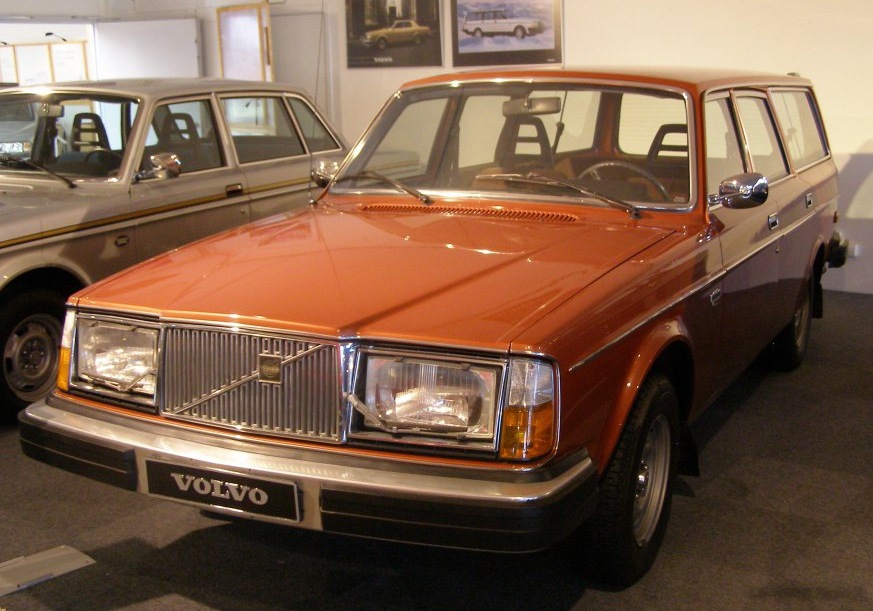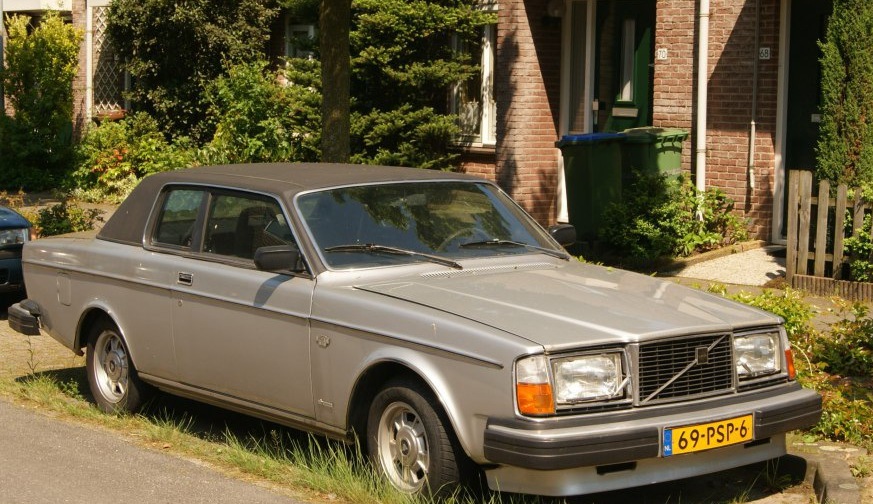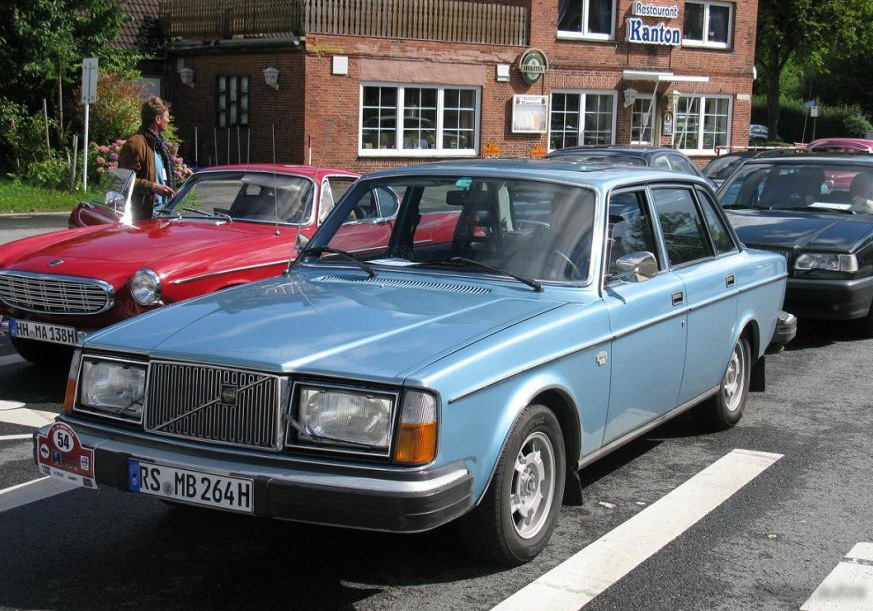
The Volvo 260, specifically the variants designated P262 and P264 powered by the 2.8-liter (155 horsepower) B28E engine, represented a significant step in Volvo’s evolution during the late 1970s and early 1980s. Produced from 1980 to 1982, these models were the top-of-the-line offerings in the 200 series, designed to provide a more luxurious and powerful alternative to the 240 series. The 260 aimed to compete with larger, more prestigious sedans from German manufacturers, offering Volvo’s renowned safety features combined with a refined driving experience. This model bridged the gap between the practical 240 and the future flagship 700 series.
Technical Specifications
| Brand | Volvo |
| Model | 260 |
| Generation | 260 (P262, P264) |
| Type (Engine) | 2.8 (155 Hp) |
| Start of Production | 1980 |
| End of Production | 1982 |
| Powertrain Architecture | Internal Combustion Engine |
| Body Type | Sedan |
| Seats | 5 |
| Doors | 4 |
| Fuel Type | Petrol (Gasoline) |
| Power | 155 Hp |
| Engine Model/Code | B28E |
| Engine Aspiration | Naturally Aspirated |
| Engine Oil Capacity | 6.5 l (6.87 US qt | 5.72 UK qt) |
Powertrain & Engine Architecture
The heart of the Volvo 260 was the B28E engine, a 2.8-liter inline-six cylinder powerplant. This engine was an evolution of Volvo’s long-standing six-cylinder design, known for its robustness and smooth operation. The B28E featured a cast iron block and an aluminum cylinder head, contributing to its durability. It utilized a Bosch K-Jetronic mechanical fuel injection system, a sophisticated system for its time that provided precise fuel delivery. The engine boasted a relatively high compression ratio for the era, contributing to its 155 horsepower output. The valvetrain employed a single overhead camshaft (SOHC) design, operating two valves per cylinder. While not a high-revving engine, the B28E delivered strong low-end torque, making it well-suited for comfortable cruising and effortless acceleration. The engine was typically paired with a four-speed automatic transmission, although a five-speed manual transmission was also available, though less common in the US market.
Driving Characteristics
The Volvo 260 with the B28E engine and automatic transmission offered a distinctly comfortable and refined driving experience. The automatic transmission, while not particularly sporty, provided smooth and seamless gear changes. Acceleration was adequate for the time, with the 260 capable of reaching 60 mph in around 9-10 seconds. The engine’s torque curve meant that strong acceleration was available from relatively low engine speeds, making overtaking maneuvers easy. Compared to the four-cylinder 240 models, the 260 offered a significantly more relaxed and powerful driving experience. However, it wasn’t as nimble or responsive as some of its European competitors. The suspension, tuned for comfort, absorbed bumps and imperfections in the road effectively, providing a smooth ride. The steering was relatively light, making it easy to maneuver in city traffic, but lacked the feedback preferred by more enthusiastic drivers. The automatic transmission’s gear ratios were geared towards fuel economy and smooth cruising rather than outright performance.
Equipment & Trim Levels
The Volvo 260 was positioned as the luxury offering in the Volvo lineup. Standard equipment included features such as power steering, power brakes, cloth upholstery, and a comprehensive instrument panel. The interior was well-appointed, with a focus on comfort and practicality. Optional extras included leather upholstery, air conditioning, a sunroof, and a premium sound system. The P262 designation typically indicated a higher trim level with more standard features than the P264. The dashboard layout was functional and straightforward, with easy-to-read gauges. The 260 also featured Volvo’s renowned safety features, including a reinforced passenger compartment, disc brakes on all four wheels, and a collapsible steering column.
Chassis & Braking
The Volvo 260 utilized a robust chassis construction, featuring a unibody design. The suspension consisted of independent front suspension with MacPherson struts and a solid rear axle with coil springs. The rear axle was equipped with a stabilizer bar to reduce body roll during cornering. Braking was provided by disc brakes on all four wheels, offering excellent stopping power for the time. The braking system was hydraulically assisted, providing a firm and responsive pedal feel. The 260’s chassis was designed to provide a comfortable ride and stable handling, prioritizing safety and practicality over outright sportiness. The suspension tuning was relatively soft, absorbing bumps and imperfections in the road effectively.
Market Reception & Comparison
The Volvo 260 was generally well-received by automotive critics, who praised its safety features, comfortable ride, and refined engine. However, some critics noted that it lacked the sporty handling of some of its European competitors. Compared to the 240 series, the 260 offered a significant upgrade in terms of power and refinement. Fuel economy was reasonable for the time, but not exceptional. The 260’s reliability was generally good, although the K-Jetronic fuel injection system could require occasional maintenance. Compared to the manual transmission versions, the automatic transmission models were often preferred by buyers seeking a more relaxed and convenient driving experience. The 260 competed with larger sedans from Mercedes-Benz, BMW, and Audi, offering a unique blend of safety, comfort, and Scandinavian design.
Legacy
The Volvo 260, while a relatively short-lived model, played an important role in Volvo’s history. It demonstrated Volvo’s commitment to safety and luxury, paving the way for the more advanced 700 series. The B28E engine proved to be a durable and reliable powerplant, and many examples are still on the road today. In the used car market, the 260 is appreciated by enthusiasts for its classic styling, comfortable ride, and robust construction. The automatic transmission versions are generally more affordable than the rarer manual transmission models. While maintenance can be required due to the age of the vehicles, parts availability is generally good. The Volvo 260 remains a testament to Volvo’s engineering prowess and its dedication to building safe, reliable, and comfortable automobiles.