
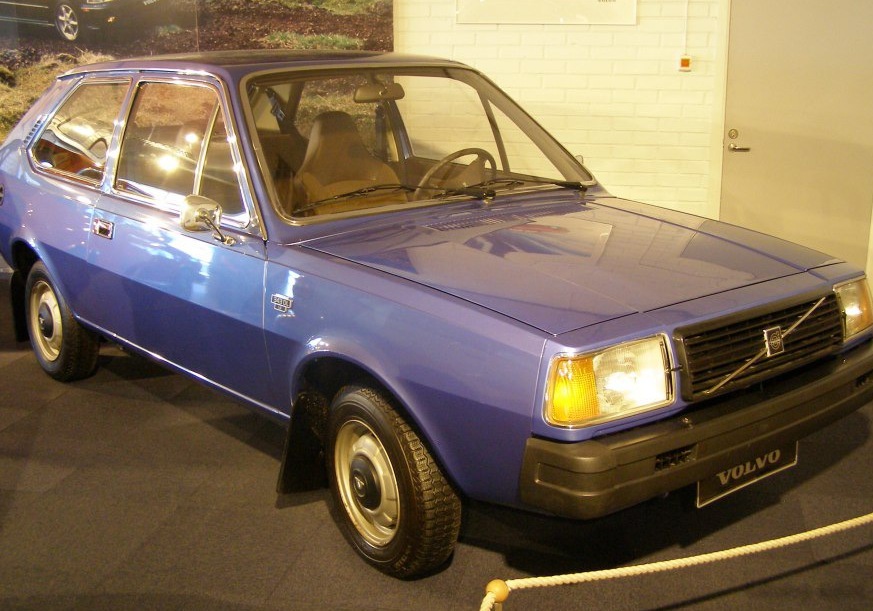
The Volvo 340 and 360 series, specifically the 343 and 345 models equipped with the 1.4-liter (63 horsepower) engine, represented Volvo’s entry into the compact hatchback market. Produced from 1982 to 1985, these variants were crucial in broadening Volvo’s appeal beyond its traditionally larger, more luxurious offerings. These models were built on Volvo’s new ‘300 series’ platform, a departure from the rear-wheel-drive layouts that had defined Volvo for decades, and marked a significant shift towards front-wheel drive. The 343 was a three-door hatchback, while the 345 offered a five-door configuration, providing increased practicality. This particular 1.4L engine and transmission combination served as the base model, aimed at budget-conscious buyers and those prioritizing fuel efficiency.
Technical Specifications
| Brand | Volvo |
| Model | 340-360 (343, 345) |
| Generation | 340-360 (343, 345) |
| Type (Engine) | 1.4 (63 Hp) |
| Start of Production | 1982 |
| End of Production | 1985 |
| Powertrain Architecture | Internal Combustion Engine |
| Body Type | Hatchback |
| Fuel Type | Petrol (Gasoline) |
| Power | 63 Hp |
| Engine Model/Code | B14.3E |
| Engine Aspiration | Naturally Aspirated |
| Engine Oil Capacity | 4 l (4.23 US qt | 3.52 UK qt) |
| Coolant Capacity | 6.5 l (6.87 US qt | 5.72 UK qt) |
Powertrain & Engine Architecture
The heart of the 343/345 1.4 was the B14.3E engine, a 1397cc inline-four cylinder unit. This engine was a relatively simple design, featuring a single overhead camshaft (SOHC) operating two valves per cylinder. Fuel delivery was managed by a Bosch mechanical fuel injection system, a step up from carburetors but less sophisticated than later electronic fuel injection systems. The B14.3E was known for its robustness and simplicity, prioritizing reliability over outright performance. The engine’s relatively low compression ratio (typically around 8.5:1) contributed to its ability to run on lower octane fuel, a consideration for many European markets. The engine was typically paired with a four-speed manual transmission, but a three-speed automatic transmission was also available, though less common. The automatic transmission was a Borg-Warner unit, chosen for its durability and relatively smooth operation. The engine block was cast iron, contributing to its longevity, while the cylinder head was aluminum, helping to reduce weight.
Driving Characteristics
The 1.4-liter engine in the 343/345 delivered modest performance. With 63 horsepower, acceleration was leisurely, and highway passing required careful planning. The 0-60 mph time was estimated to be around 14-16 seconds, depending on the transmission and vehicle load. The automatic transmission, while offering convenience, further reduced acceleration due to its less efficient power transfer and wider gear spacing. The gear ratios in the automatic were optimized for fuel economy rather than performance. Handling was generally considered safe and predictable, thanks to the front-wheel-drive layout and relatively soft suspension tuning. The steering was light, making it easy to maneuver in urban environments. However, the car wasn’t particularly sporty, with noticeable body roll in corners. The emphasis was on comfort and practicality rather than engaging driving dynamics.
Equipment & Trim Levels
The 343/345 1.4 represented the base trim level of the 300 series. Standard equipment was relatively sparse, reflecting its entry-level positioning. Typically, these models included cloth upholstery, vinyl floor covering, and basic instrumentation. The dashboard was functional but lacked the more luxurious appointments found in higher trim levels. Optional extras included a sunroof, upgraded stereo system, and power windows. Interior color schemes were typically subdued, with options like blue, grey, and brown. The 345, with its five-door configuration, offered greater practicality and was often preferred by families. Even in base trim, Volvo maintained its reputation for safety, equipping the 343/345 with features like seat belts and a robust safety cage.
Chassis & Braking
The 340/360 series utilized a MacPherson strut front suspension and a twist-beam rear suspension. This setup provided a comfortable ride, but wasn’t particularly sophisticated. The front suspension featured stabilizer bar, while the rear did not. Braking on the 1.4 models typically consisted of disc brakes at the front and drum brakes at the rear. This configuration was common for vehicles in this price range during the early 1980s. The braking system was adequate for normal driving conditions, but lacked the stopping power of more advanced systems with disc brakes all around. Steering was rack and pinion, providing reasonably precise control. The chassis was relatively lightweight, contributing to the car’s fuel efficiency.
Market Reception & Comparison
The 343/345 1.4 was generally well-received as an affordable and practical hatchback. Critics praised its fuel efficiency and robust build quality, hallmarks of Volvo engineering. However, the engine’s lack of power was a common criticism. Compared to the more powerful 340 GL models with larger engines (like the 1.6 or 1.7 liter variants), the 1.4 felt significantly underpowered. The 1.6L offered a noticeable improvement in acceleration and overall driving experience, making it a popular upgrade for those willing to spend a bit more. The 1.4’s fuel economy was a key selling point, however, appealing to buyers prioritizing cost savings. Compared to other European hatchbacks of the time, such as the Ford Escort or Opel Kadett, the Volvo 343/345 offered a reputation for superior safety and durability.
Legacy
The Volvo 340/360 series, including the 1.4 variant, established Volvo as a competitor in the compact car segment. While the 1.4 engine itself wasn’t known for its performance, its reliability and fuel efficiency made it a popular choice for many years. Today, these cars are relatively rare, and well-maintained examples are sought after by enthusiasts. The B14.3E engine is known for its longevity, and many examples are still running reliably after decades of service. Parts availability can be a challenge, but a dedicated community of Volvo enthusiasts helps to keep these cars on the road. The 343/345 1.4 represents a significant chapter in Volvo’s history, marking its transition to front-wheel drive and its expansion into a new market segment. The simplicity of the design makes it relatively easy to maintain for those with basic mechanical skills, contributing to its enduring appeal.
