
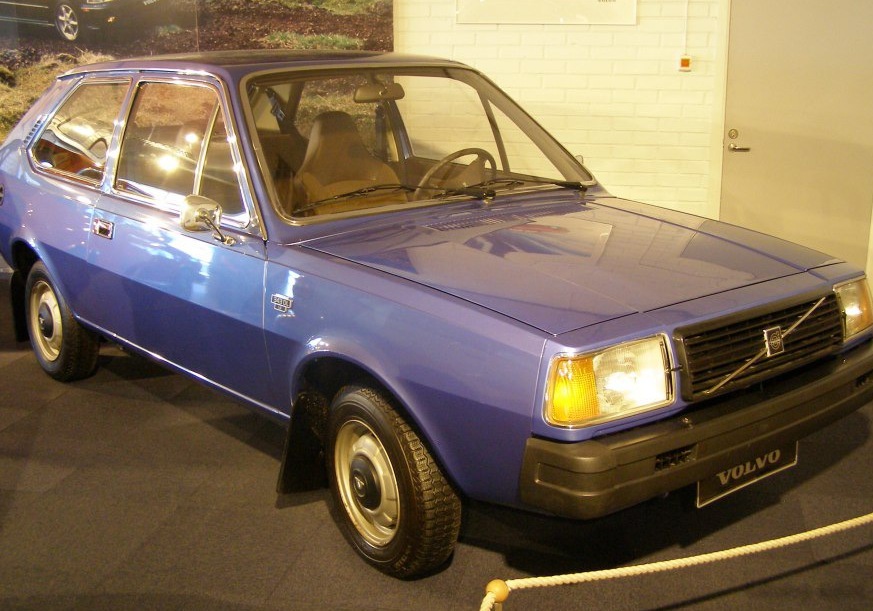
The Volvo 340 and 360 series, specifically the 343 and 345 models equipped with the 1.4-liter (70 horsepower) engine, represented Volvo’s entry into the compact hatchback market. Produced from 1976 to 1983, these vehicles were a significant departure from Volvo’s traditionally larger, more luxurious offerings. The 340/360 series was intended to appeal to a broader, more budget-conscious customer base, particularly in Europe, while still maintaining Volvo’s reputation for safety and durability. This variant, with its modest power output, served as the base model, offering economical transportation and a practical, if unexciting, driving experience.
Technical Specifications
| Brand | Volvo |
| Model | 340-360 (343, 345) |
| Generation | 340-360 (343, 345) |
| Type (Engine) | 1.4 (70 Hp) |
| Start of Production | 1976 |
| End of Production | 1983 |
| Powertrain Architecture | Internal Combustion Engine |
| Body Type | Hatchback |
| Fuel Type | Petrol (Gasoline) |
| Power | 70 Hp |
| Engine Model/Code | B14.0 E |
| Engine Aspiration | Naturally Aspirated |
| Engine Oil Capacity | 4 l (4.23 US qt | 3.52 UK qt) |
| Coolant Capacity | 6.5 l (6.87 US qt | 5.72 UK qt) |
| Fuel Tank Capacity | 45 l (11.89 US gal | 9.9 UK gal) |
Powertrain & Engine Architecture
The heart of the 343/345 1.4 was the B14.0 E engine, a 1397cc inline-four cylinder unit. This engine was a relatively simple design, featuring a single overhead camshaft (SOHC) operating two valves per cylinder. Fuel delivery was handled by a single Solex carburetor, a common setup for the time, prioritizing simplicity and cost-effectiveness over outright performance. The B14 was known for its robustness and relatively straightforward maintenance. The engine’s modest 70 horsepower output at 6000 rpm and 88 lb-ft of torque at 3500 rpm were sufficient for everyday driving, but didn’t offer much in the way of acceleration or passing power.
The 1.4-liter engine was typically paired with a four-speed manual transmission, but a three-speed automatic transmission was also available, and was a popular choice for buyers prioritizing ease of use. The automatic transmission, while providing convenience, further reduced the car’s performance and increased fuel consumption. The transmission was a conventional hydraulic automatic, lacking the electronic controls found in later designs. The gear ratios were geared towards economy, with a relatively tall final drive.
Driving Characteristics
The 340/360 1.4, particularly when equipped with the automatic transmission, offered a decidedly unhurried driving experience. Acceleration was slow, and overtaking required careful planning. The automatic transmission, while smooth, lacked the responsiveness of a manual gearbox, and the engine often felt strained when pushed hard. The car’s relatively light weight (around 2,100 lbs) helped to mitigate the lack of power to some extent. Handling was predictable but not particularly engaging, with a focus on comfort rather than sporty dynamics. The steering was light and easy, making it well-suited for city driving. Compared to the later 360 GL models with larger engines (like the 2.0-liter), the 1.4 felt significantly underpowered. The manual transmission version offered a slightly more engaging experience, allowing the driver to better utilize the available power, but still wasn’t a performance machine.
Equipment & Trim Levels
The 343/345 1.4 served as the entry point to the Volvo 340/360 range. As such, it was equipped with a relatively basic level of standard features. Interior upholstery was typically a durable, patterned cloth. The dashboard was functional but lacked the sophistication of higher-trim models. Standard equipment included front disc brakes, rear drum brakes, and basic instrumentation. Optional extras included a radio, heated seats, and a sunroof. The 345, being the five-door hatchback variant, offered greater practicality and cargo space compared to the three-door 343. The trim level was generally consistent across the 1.4 models, with minor variations depending on the year of manufacture and regional market.
Chassis & Braking
The Volvo 340/360 series utilized a front-engine, rear-wheel-drive layout, a somewhat unusual configuration for a compact hatchback of the era. The suspension consisted of independent front suspension with MacPherson struts and a solid rear axle with leaf springs. This setup provided a comfortable ride, but didn’t offer the same level of handling precision as more sophisticated independent rear suspension systems. Braking was provided by disc brakes on the front wheels and drum brakes on the rear. The braking system was adequate for the car’s weight and performance, but lacked the stopping power of more modern systems. Stabilizer bars were fitted to both the front and rear axles, helping to reduce body roll during cornering.
Market Reception & Comparison
The 340/360 1.4 was generally well-received as an economical and practical family car. Critics praised its safety features, durability, and fuel efficiency. However, the engine’s lack of power was a common criticism. Compared to rivals like the Ford Escort and Opel Kadett, the Volvo 340/360 1.4 offered a more refined interior and a stronger emphasis on safety. Fuel economy was respectable for the time, averaging around 30-35 mpg. Reliability was generally good, although the carburetor could require occasional adjustment. The 1.4 variant was significantly cheaper to purchase and insure than the higher-powered models in the 340/360 range, making it an attractive option for budget-conscious buyers.
Legacy
The Volvo 340/360 series, including the 1.4-liter variant, holds a nostalgic place in the hearts of many car enthusiasts. While not known for its performance, the 340/360 was a durable and reliable car that provided years of service to its owners. The B14 engine, while simple, proved to be remarkably robust and is still capable of providing reliable transportation today, provided it has been properly maintained. In the used car market, the 340/360 1.4 is often sought after by those looking for a classic Volvo at an affordable price. Parts availability is generally good, although some components can be difficult to find. The car’s simple mechanical design makes it relatively easy to maintain and repair, appealing to DIY mechanics. The 340/360 series represents a unique chapter in Volvo’s history, demonstrating the company’s willingness to experiment with new market segments and designs.
