
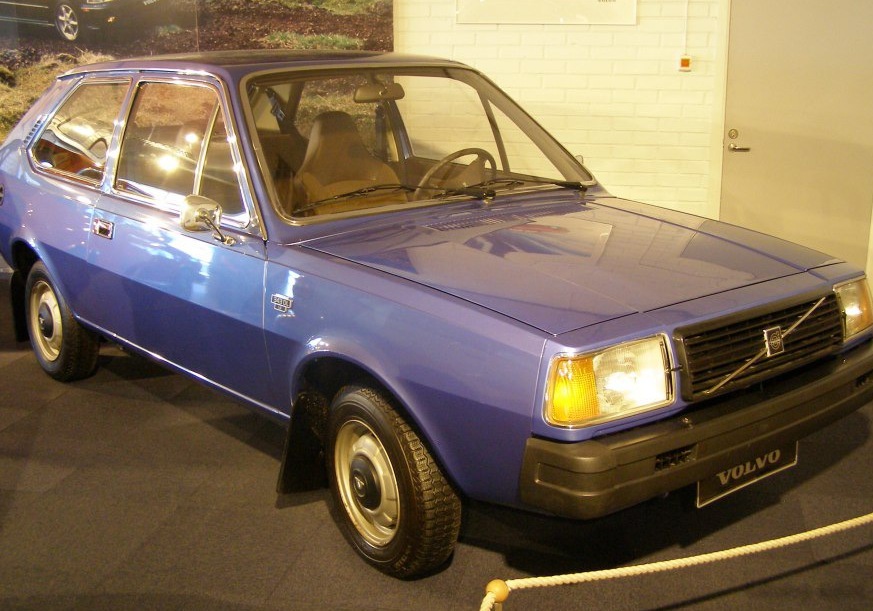
The Volvo 340 and 360 series, specifically the 343 and 345 models equipped with the 1.4-liter, 71 horsepower engine, represented Volvo’s entry into the compact hatchback market. Produced from 1983 to 1986, these models were a significant departure for the Swedish automaker, traditionally known for larger, more luxurious vehicles. The 340/360 series, built on the Y-platform, aimed to offer a practical, fuel-efficient, and safe vehicle for a broader customer base, particularly in Europe. This variant, with its modest power output, served as the base model, offering affordability and economy-focused transportation.
Technical Specifications
| Brand | Volvo |
| Model | 340-360 |
| Generation | 340-360 (343,345) |
| Type (Engine) | 1.4 (71 Hp) |
| Start of production | 1983 |
| End of production | 1986 |
| Powertrain Architecture | Internal Combustion engine |
| Body type | Hatchback |
| Seats | 5 |
| Doors | 3-5 |
| Fuel consumption (urban) | 8.9 l/100 km (26.4 US mpg, 31.7 UK mpg, 11.2 km/l) |
| Fuel consumption (extra urban) | 6.9 l/100 km (34.1 US mpg, 40.9 UK mpg, 14.5 km/l) |
| Fuel Type | Petrol (Gasoline) |
| Weight-to-power ratio | 13.4 kg/Hp, 74.7 Hp/tonne |
| Power | 71 Hp |
| Power per litre | 50.7 Hp/l |
| Engine layout | Front, Longitudinal |
| Engine Model/Code | B14.2E |
| Engine displacement | 1400 cm3 (85.43 cu. in.) |
| Fuel injection system | Carburettor |
| Engine aspiration | Naturally aspirated engine |
| Engine oil capacity | 4 l (4.23 US qt | 3.52 UK qt) |
| Coolant capacity | 6.5 l (6.87 US qt | 5.72 UK qt) |
| Kerb Weight | 950 kg (2094.39 lbs.) |
| Max. weight | 1420 kg (3130.56 lbs.) |
| Max load | 470 kg (1036.17 lbs.) |
| Fuel tank capacity | 45 l (11.89 US gal | 9.9 UK gal) |
| Drivetrain Architecture | Rear wheel drive, Internal Combustion Engine |
| Drive wheel | Rear wheel drive |
| Number of gears and type of gearbox | 4 gears, manual transmission |
| Front suspension | Independent type McPherson |
| Rear suspension | Coil spring |
| Front brakes | Disc |
| Rear brakes | Drum |
Powertrain & Engine Architecture
The heart of this Volvo variant was the B14.2E engine, a 1.4-liter (1396 cc) inline-four cylinder unit. This engine utilized a single overhead camshaft (SOHC) valvetrain and was fed by a single Zenith 36IV carburetor. While relatively simple in design, the B14.2E was known for its durability and ease of maintenance. The engine’s longitudinal front-engine, rear-wheel-drive layout was somewhat unconventional for the time, particularly in the compact class, and contributed to the car’s balanced handling. The four-speed manual transmission was the standard offering for this model, providing a direct connection between the engine and the rear wheels. The transmission was chosen for its simplicity and cost-effectiveness, aligning with the entry-level positioning of the 343/345 1.4.
Driving Characteristics
The 71 horsepower output of the 1.4-liter engine translated to modest, but adequate, performance. Acceleration was not a strong point, with 0-60 mph times estimated around 14-16 seconds. However, the car’s light weight (approximately 950 kg or 2094 lbs) helped to mitigate the lack of power. The four-speed manual transmission offered reasonable gear spacing, allowing the driver to keep the engine in its optimal power band. Compared to the later 1.6-liter and 2.0-liter versions, the 1.4 felt noticeably slower, particularly when fully loaded or climbing hills. The rear-wheel-drive configuration provided a more engaging driving experience than many front-wheel-drive competitors of the era, offering predictable handling and a balanced feel.
Equipment & Trim Levels
The 340/360 1.4 was positioned as the most affordable model in the lineup, and its equipment level reflected this. Standard features typically included cloth upholstery, basic instrumentation (speedometer, fuel gauge, temperature gauge), and a simple two-spoke steering wheel. The interior was functional and durable, prioritizing practicality over luxury. Optional extras were available, such as a radio, upgraded upholstery, and a sunroof, but these were typically chosen à la carte. The 343 (two-door) and 345 (five-door) body styles offered different levels of practicality, with the 345 being the more family-oriented option. The trim level was generally quite basic, focusing on essential features and keeping costs down.
Chassis & Braking
The Volvo 340/360 featured an independent McPherson strut front suspension and a coil-sprung solid axle rear suspension. This setup provided a comfortable ride, although it wasn’t particularly sporty. The front brakes were disc brakes, offering adequate stopping power, while the rear brakes were drums, a cost-saving measure for the base model. The steering was a recirculating ball system, which provided a relatively heavy but precise feel. The chassis was designed with safety in mind, incorporating Volvo’s renowned crumple zones and a robust safety cage. The suspension was tuned for comfort and stability, rather than outright performance, reflecting the car’s intended role as a practical and reliable family vehicle.
Market Reception & Comparison
The Volvo 340/360 1.4 received mixed reviews. Critics praised its safety features, build quality, and fuel efficiency, but often criticized its lack of power and somewhat dated design. Compared to rivals like the Ford Escort and Opel Kadett, the Volvo offered a more robust and safer package, but at a slightly higher price point. The 1.4-liter engine was considered adequate for urban driving, but struggled on highways or when carrying a full load. The manual transmission was generally well-received, but some drivers found it to be notchy. The 1.6-liter and 2.0-liter versions offered significantly improved performance, but came at a higher cost. The 1.4 appealed to buyers who prioritized economy and safety over outright performance.
Legacy
The Volvo 340/360 series, including the 1.4-liter variant, established Volvo as a competitor in the compact car segment. While not a sales blockbuster, the 340/360 earned a reputation for reliability and durability. The B14.2E engine, while simple, proved to be a robust and long-lasting unit. Today, these cars are relatively rare, but they have a dedicated following among classic Volvo enthusiasts. The 1.4-liter version, while the least powerful, is often considered the most affordable and easiest to maintain. Parts availability can be a challenge, but a strong online community and dedicated suppliers help to keep these classic Volvos on the road. The 340/360 series represents a unique chapter in Volvo’s history, showcasing the company’s commitment to safety and practicality in a smaller, more accessible package.
