
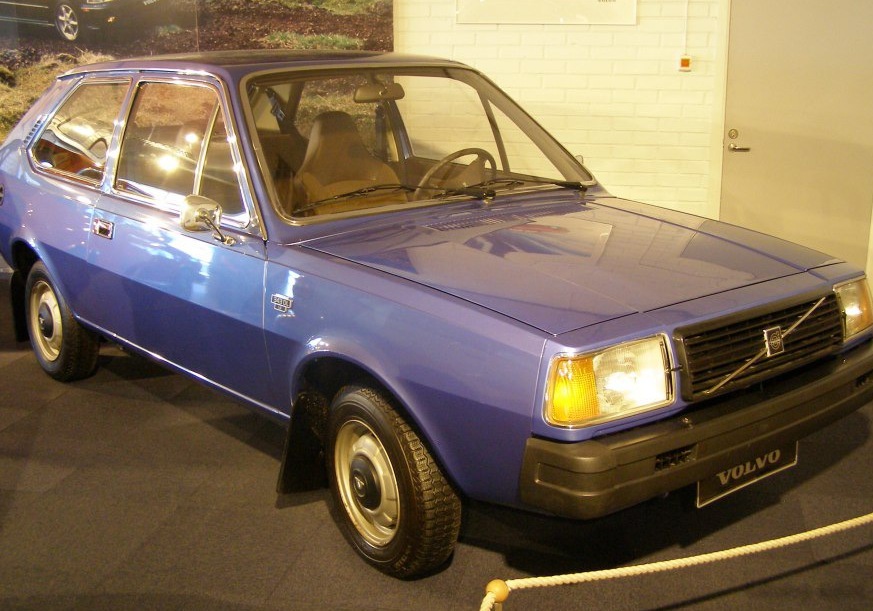
The Volvo 340 and 360 series, specifically the 343 and 345 models equipped with the 1.6-liter diesel engine producing 54 horsepower, represented a significant, though often overlooked, chapter in Volvo’s history. Produced from 1988 to 1991, this variant was primarily aimed at European markets seeking an economical and durable compact car. It was the entry-level offering in the 340/360 range, positioned below the gasoline-powered models and offering a distinctly different driving experience focused on fuel efficiency rather than outright performance. This model was a response to growing diesel popularity in Europe, particularly for fleet and high-mileage drivers.
Technical Specifications
| Brand | Volvo |
| Model | 340-360 (343, 345) |
| Generation | 340-360 (343, 345) |
| Type (Engine) | 1.6 Diesel (54 Hp) |
| Start of Production | 1988 |
| End of Production | 1991 |
| Powertrain Architecture | Internal Combustion Engine |
| Body Type | Hatchback |
| Fuel Type | Diesel |
| Power | 54 Hp |
| Engine Model/Code | D16 |
| Engine Aspiration | Naturally Aspirated |
| Engine Oil Capacity | 5.5 l (5.81 US qt | 4.84 UK qt) |
| Coolant Capacity | 7 l (7.4 US qt | 6.16 UK qt) |
Powertrain & Engine Architecture
The heart of the 343/345 Diesel was the Volvo D16 engine, a 1.6-liter inline-four diesel. This engine was a relatively simple, naturally aspirated design, prioritizing robustness and fuel economy over high output. It featured indirect injection, a common characteristic of diesels of that era, utilizing a pre-chamber combustion system. This system involved a small auxiliary combustion chamber where fuel was initially injected and ignited, then transferred to the main cylinder for complete combustion. This design helped to reduce engine noise and improve cold-starting performance, though it wasn’t as efficient as direct injection systems. The D16 utilized a cast iron block and head, contributing to its durability. The engine was paired with a four-speed automatic transmission, a relatively uncommon pairing for a diesel engine at the time, and further emphasized the car’s focus on ease of use and comfort. The automatic transmission was chosen to broaden the appeal of the diesel model, making it more accessible to drivers not accustomed to manual gearboxes.
Driving Characteristics
The 1.6-liter diesel automatic Volvo 340/360 offered a decidedly unhurried driving experience. With only 54 horsepower, acceleration was modest, and highway merging required careful planning. The four-speed automatic transmission, while convenient, wasn’t particularly geared for performance. Gear ratios were optimized for fuel economy, resulting in a relatively high first gear and widely spaced ratios. This meant the engine often labored when accelerating, and maintaining highway speeds required the transmission to downshift frequently on inclines. Compared to the gasoline-powered 340/360 models, particularly those with the 2.0-liter engine, the diesel automatic was significantly slower. However, it excelled in city driving and on long journeys where fuel efficiency was paramount. The diesel’s torque characteristics, while not substantial, were sufficient for everyday driving, providing reasonable pulling power at lower engine speeds. The suspension, tuned for comfort, contributed to a smooth ride, but also resulted in noticeable body roll during cornering.
Equipment & Trim Levels
The 343/345 Diesel models were typically equipped with a fairly basic level of trim, reflecting their position as the entry point to the 340/360 range. Standard features generally included cloth upholstery, a basic instrument cluster, and manual windows and door locks. Power steering was often optional, and air conditioning was a rare find. Interior plastics were durable but utilitarian. The dashboard layout was functional, with clearly labeled controls. Optional extras included a sunroof, upgraded audio systems, and different wheel covers. The 345, being the five-door hatchback variant, offered greater practicality and accessibility compared to the three-door 343. The interior space was relatively generous for a compact car, providing adequate room for passengers and cargo.
Chassis & Braking
The Volvo 340/360 series utilized a relatively simple but effective chassis design. The front suspension consisted of MacPherson struts, while the rear featured a solid axle with leaf springs. This setup prioritized ride comfort and durability over sporty handling. The braking system on the 343/345 Diesel typically consisted of disc brakes at the front and drum brakes at the rear. This configuration was common for cars in this price range during the late 1980s and early 1990s. The brakes were adequate for normal driving conditions, but lacked the stopping power of more modern systems. A stabilizer bar was fitted to the front suspension to reduce body roll, but the overall handling characteristics were geared towards stability and predictability rather than agility.
Market Reception & Comparison
The Volvo 340/360 1.6 Diesel Automatic received mixed reviews. Critics generally praised its fuel economy and durability, but criticized its lack of performance. It was seen as a sensible and practical choice for drivers prioritizing economy and reliability over driving excitement. Compared to other diesel-powered compact cars of the era, such as the Volkswagen Golf Diesel, the Volvo offered a more comfortable ride and a more spacious interior, but lacked the Golf’s sporty handling and refined engine. The gasoline-powered 340/360 models offered significantly better performance, but at the cost of increased fuel consumption. The diesel automatic was particularly popular with fleet operators and high-mileage drivers who valued its low running costs and proven reliability.
Legacy
The Volvo 340/360 1.6 Diesel Automatic, while not a performance icon, holds a respectable place in automotive history as a durable and economical compact car. The D16 diesel engine proved to be remarkably robust, with many examples exceeding 200,000 miles with proper maintenance. Today, these cars are relatively rare, and well-maintained examples are sought after by enthusiasts and collectors. The simplicity of the engine and mechanical components makes them relatively easy to maintain and repair. While parts availability can be a challenge, many components are still available through specialist suppliers. The 343/345 Diesel Automatic represents a unique chapter in Volvo’s history, showcasing the company’s commitment to safety, durability, and fuel efficiency. It remains a testament to the enduring appeal of simple, well-engineered automobiles.
