
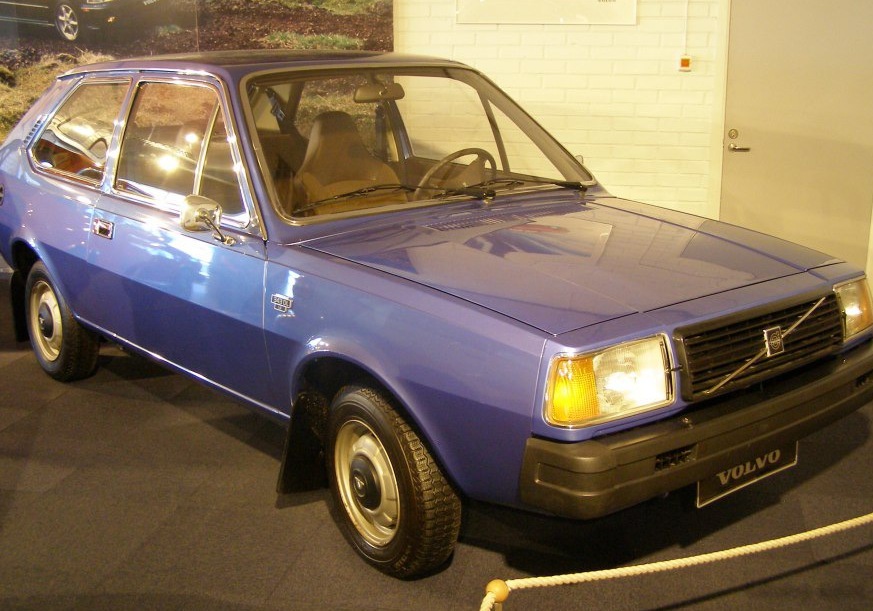
The Volvo 340 and 360 series, specifically the 343 and 345 models equipped with the 2.0-liter (109 horsepower) engine, represented a significant departure for the Swedish automaker. Produced from 1988 to 1989, this variant occupied a middle ground within the 340/360 lineup, offering a balance between affordability and performance. These models were part of the broader 340/360 generation (internally designated as the 343, 344, 345, and 360), which aimed to provide a more compact and fuel-efficient alternative to Volvo’s larger, traditionally-styled sedans. The 340/360 series was Volvo’s first front-wheel-drive vehicle, marking a pivotal shift in the company’s engineering philosophy.
Technical Specifications
| Brand | Volvo |
| Model | 340-360 (343, 345) |
| Generation | 340-360 (343, 345) |
| Type (Engine) | 2.0 (109 Hp) |
| Start of Production | 1988 |
| End of Production | 1989 |
| Powertrain Architecture | Internal Combustion Engine |
| Body Type | Hatchback |
| Fuel Type | Petrol (Gasoline) |
| Power | 109 Hp |
| Engine Model/Code | B200F |
| Engine Aspiration | Naturally Aspirated |
| Engine Oil Capacity | 4.5 l (4.76 US qt | 3.96 UK qt) |
| Coolant Capacity | 7 l (7.4 US qt | 6.16 UK qt) |
Powertrain & Engine Architecture
The heart of the 340/360 2.0 was the B200F engine, a 1,986 cc (121.1 cu in) inline-four cylinder powerplant. This engine was a relatively simple design, featuring a cast iron block and an aluminum cylinder head. It utilized a Bosch K-Jetronic mechanical fuel injection system, a technology common in the late 1980s, known for its reliability and relatively precise fuel delivery. The B200F featured a single overhead camshaft (SOHC) valvetrain with two valves per cylinder. While not particularly high-tech by modern standards, the B200F was known for its durability and ease of maintenance. The 109 horsepower output was achieved at 5,800 rpm, with peak torque of 130 lb-ft (176 Nm) arriving at 3,500 rpm. This engine was typically paired with a four-speed automatic transmission, although a five-speed manual was also available on other 340/360 variants. The automatic transmission, while providing convenience, was not known for its sporty performance and contributed to slightly slower acceleration times compared to the manual versions.
Driving Characteristics
The 2.0-liter automatic 340/360 offered a comfortable, if not particularly exhilarating, driving experience. The automatic transmission’s gear ratios were geared towards fuel efficiency and smooth cruising rather than rapid acceleration. Acceleration from 0 to 60 mph was typically in the 11-12 second range, making it competitive with other similarly sized and powered European hatchbacks of the era. The front-wheel-drive layout provided predictable handling, although it lacked the dynamic finesse of rear-wheel-drive cars. The suspension, consisting of MacPherson struts in the front and a twist-beam axle in the rear, offered a reasonable compromise between ride comfort and handling. Compared to the more powerful 360 GLT models, the 2.0 automatic felt noticeably slower, particularly when attempting to overtake or merge onto highways. However, it provided a more relaxed and user-friendly driving experience, especially in urban environments.
Equipment & Trim Levels
The 340/360 2.0 models typically came with a fairly basic level of equipment, reflecting their position as a more affordable option within the Volvo range. Standard features generally included cloth upholstery, a basic AM/FM radio, and manual windows and door locks. The dashboard layout was functional and straightforward, prioritizing usability over aesthetics. Optional extras included a sunroof, upgraded stereo systems, and power windows. The interior trim was typically a durable, though somewhat utilitarian, plastic. The 345 variant, being the wagon version, offered increased cargo capacity and practicality, making it a popular choice for families.
Chassis & Braking
The 340/360 series utilized a unibody construction, providing a good balance of strength and weight. The front suspension featured MacPherson struts with stabilizer bar, while the rear suspension employed a twist-beam axle. Braking systems varied depending on the specific model and year. Earlier models often featured drum brakes on the rear wheels, while later models, including some 1988-1989 2.0 variants, were upgraded to disc brakes all around. The braking system was generally adequate for the car’s weight and performance, but lacked the stopping power of more modern vehicles. Steering was rack-and-pinion, providing reasonably precise control.
Market Reception & Comparison
The Volvo 340/360 2.0 automatic received mixed reviews from automotive critics. While praised for its safety, durability, and fuel efficiency, it was often criticized for its relatively slow performance and somewhat dated interior. Compared to other trims in the 340/360 lineup, such as the 360 GLT with its more powerful engine and sportier suspension, the 2.0 automatic appealed to a different demographic – those prioritizing practicality, reliability, and affordability over outright performance. Fuel economy was a strong point, typically achieving around 25-30 mpg in combined driving. Reliability was generally good, although the K-Jetronic fuel injection system could require occasional maintenance.
Legacy
The Volvo 340/360 series, including the 2.0 automatic variant, holds a unique place in Volvo’s history as the company’s first foray into front-wheel drive. While not a performance icon, the 340/360 established Volvo’s reputation for building safe, durable, and reliable vehicles. Today, these cars are becoming increasingly sought after by enthusiasts and collectors, particularly well-maintained examples. The B200F engine, while simple, is known for its longevity and relatively easy maintenance. Parts availability can be a challenge, but a dedicated community of Volvo enthusiasts continues to support the preservation of these classic Swedish cars. The 2.0 automatic, while not the most desirable trim, offers a comfortable and affordable entry point into the world of classic Volvo ownership.
