
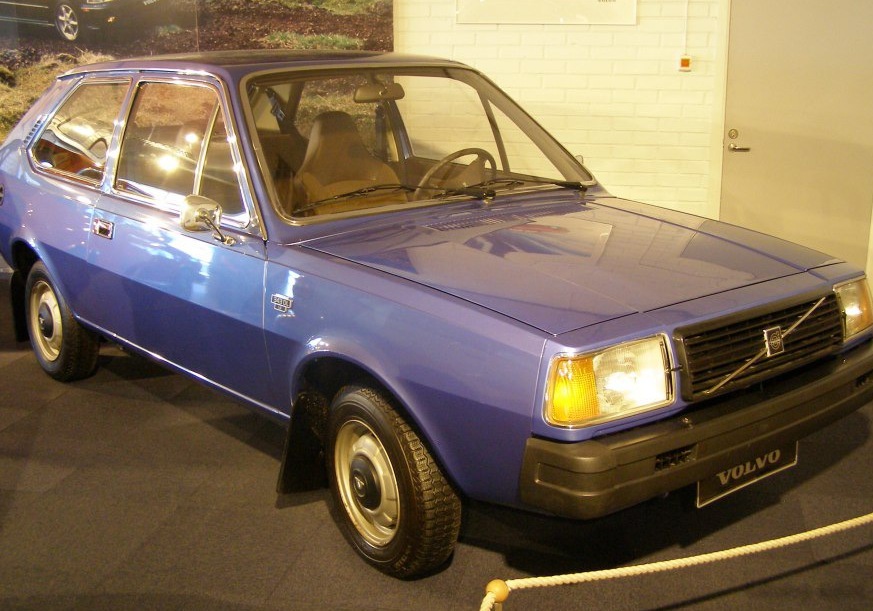
The Volvo 340 and 360 series, specifically the 343 and 345 models equipped with the 2.0-liter (110 horsepower) engine, represented a significant departure for the Swedish automaker. Produced from 1987 to 1988, this variant occupied a middle ground within the 340/360 lineup, offering a balance between affordability and performance. These models were part of the broader 340/360 generation (internally designated as the 343, 344, 345, and 360), which aimed to provide a more compact and fuel-efficient alternative to Volvo’s larger, traditionally-styled sedans. The 340/360 series was Volvo’s first front-wheel-drive vehicle, marking a pivotal shift in the company’s engineering philosophy.
Technical Specifications
| Brand | Volvo |
| Model | 340-360 (343, 345) |
| Generation | 340-360 (343, 345) |
| Type (Engine) | 2.0 (110 Hp) |
| Start of Production | 1987 |
| End of Production | 1988 |
| Powertrain Architecture | Internal Combustion Engine |
| Body Type | Hatchback |
| Fuel Type | Petrol (Gasoline) |
| Power | 110 Hp |
| Engine Model/Code | B200 |
| Engine Aspiration | Naturally Aspirated |
| Engine Oil Capacity | 4.5 l (4.76 US qt | 3.96 UK qt) |
| Coolant Capacity | 7 l (7.4 US qt | 6.16 UK qt) |
Powertrain & Engine Architecture
The heart of the 340/360 2.0 was the B200 engine, a 1,986 cc (121.1 cu in) inline-four cylinder powerplant. This engine was a relatively simple design, featuring a cast iron block and an aluminum cylinder head. It utilized a Bosch K-Jetronic fuel injection system, a mechanical system known for its reliability, though less sophisticated than later electronic fuel injection systems. The B200 featured a single overhead camshaft (SOHC) valvetrain with eight valves. While not particularly high-revving, the engine produced a respectable 110 horsepower at 5,800 rpm and 130 lb-ft of torque at 3,500 rpm. This torque output was a key characteristic, providing reasonable acceleration and good usability in everyday driving conditions.
The 2.0-liter engine was typically paired with a four-speed automatic transmission, although a five-speed manual transmission was also available. The automatic transmission, while offering convenience, was not known for its sporty performance. It was geared towards smooth operation and fuel efficiency rather than rapid acceleration. The transmission’s shift points were relatively conservative, prioritizing comfort over maximizing engine power.
Driving Characteristics
The 340/360 2.0 Automatic offered a comfortable, if not exhilarating, driving experience. Acceleration from 0 to 60 mph took around 11-12 seconds, which was adequate for the era but noticeably slower than the manual transmission versions or the later 360 GLT models with more powerful engines. The automatic transmission’s gear ratios were optimized for cruising, making it a pleasant vehicle for highway driving. However, attempting quick overtaking maneuvers required careful planning. The front-wheel-drive layout provided predictable handling, but the relatively soft suspension setup resulted in noticeable body roll during cornering. Steering was light and easy, making it well-suited for urban environments.
Compared to the base 1.4-liter engine, the 2.0-liter offered a significant improvement in performance, particularly in terms of mid-range torque. This made the 2.0 a more practical choice for drivers who frequently carried passengers or cargo. Compared to the more powerful 360 GLT models (which featured a 2.1-liter engine with fuel injection and more horsepower), the 2.0 Automatic was less sporty but more fuel-efficient and generally more affordable.
Equipment & Trim Levels
The 340/360 2.0 models typically came with a reasonable level of standard equipment. This included cloth upholstery, a basic stereo system, and manual windows and door locks. Power steering was often included, but air conditioning was typically an optional extra. The interior design was functional and understated, reflecting Volvo’s emphasis on practicality and safety. The dashboard layout was straightforward, with clearly labeled controls. Optional extras included a sunroof, upgraded stereo systems, and metallic paint finishes.
The 345 model, the station wagon variant, was particularly popular for its practicality and versatility. It offered a significantly larger cargo area than the 343 hatchback, making it ideal for families and those who needed to transport bulky items. The 345 often came with a slightly higher level of standard equipment than the 343.
Chassis & Braking
The 340/360 series utilized a MacPherson strut front suspension and a twist-beam rear suspension. The suspension was tuned for comfort, providing a relatively smooth ride over uneven surfaces. The front brakes were ventilated discs, while the rear brakes were typically drum brakes, although some later models featured rear disc brakes. The braking system was adequate for normal driving conditions, but it lacked the stopping power of more modern vehicles. A stabilizer bar was fitted to the front suspension to reduce body roll during cornering.
Market Reception & Comparison
The 340/360 2.0 Automatic was generally well-received by critics as a practical and reliable family car. It was praised for its fuel efficiency, comfortable ride, and robust build quality. However, it was also criticized for its relatively slow acceleration and somewhat dated interior design. Compared to other cars in its class, such as the Ford Escort and Opel Kadett, the 340/360 offered a higher level of safety and a more refined driving experience. Fuel economy was typically in the range of 25-30 mpg, depending on driving conditions.
Legacy
The Volvo 340/360 series, including the 2.0 Automatic variant, has developed a loyal following among classic car enthusiasts. The B200 engine is known for its durability and relatively simple maintenance requirements. While parts availability can be a challenge, many components are still available through specialist suppliers. Today, these cars are appreciated for their retro charm, solid construction, and unique place in Volvo’s history. The 340/360 series represents a transitional period for Volvo, bridging the gap between its traditional rear-wheel-drive models and its modern front-wheel-drive lineup. A well-maintained 340/360 2.0 Automatic can still provide reliable and enjoyable transportation for those seeking a classic Volvo experience.
