
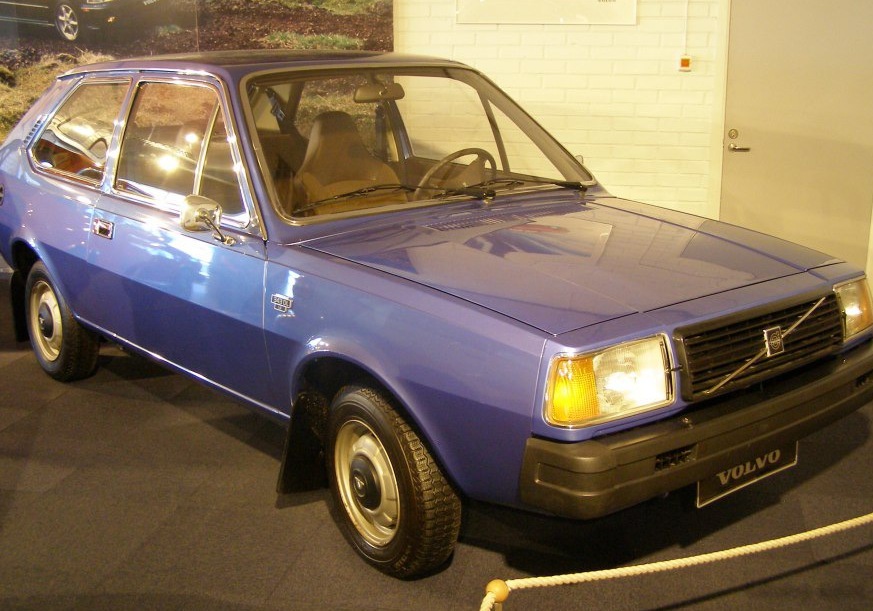
The Volvo 340 and 360 series, specifically the 343 and 345 models equipped with the 2.0-liter B19E engine producing 113 horsepower, represented a significant departure for the Swedish automaker. Produced from 1982 to 1984, this variant occupied a middle ground within the 340/360 lineup, offering a balance between affordability and performance. It was a key component of Volvo’s attempt to enter the more compact, front-wheel-drive market segment, challenging established European and Japanese competitors. The 340/360 series as a whole was Volvo’s first foray into front-wheel drive, a move necessitated by changing market demands and fuel efficiency concerns.
Technical Specifications
| Brand | Volvo |
| Model | 340-360 (343, 345) |
| Generation | 340-360 (343, 345) |
| Type (Engine) | 2.0 (113 Hp) |
| Start of Production | 1982 |
| End of Production | 1984 |
| Powertrain Architecture | Internal Combustion Engine |
| Body Type | Hatchback |
| Fuel Type | Petrol (Gasoline) |
| Power | 113 Hp |
| Engine Model/Code | B19E |
| Engine Aspiration | Naturally Aspirated |
| Engine Oil Capacity | 4.5 l (4.76 US qt | 3.96 UK qt) |
| Coolant Capacity | 7 l (7.4 US qt | 6.16 UK qt) |
Powertrain & Engine Architecture
The heart of this 340/360 variant is the B19E engine, a 1,986 cc (121.1 cu in) inline-four cylinder powerplant. This engine is a relatively simple, overhead valve (OHV) design, utilizing a cast iron block and an aluminum cylinder head. Fuel delivery is managed by a Bosch K-Jetronic mechanical fuel injection system, a technology common in the early 1980s. While not as sophisticated as later electronic fuel injection systems, K-Jetronic provided improved fuel efficiency and reduced emissions compared to carburetors. The B19E featured a compression ratio of 9.5:1, contributing to its 113 horsepower output at 5,800 rpm and 109 lb-ft of torque at 3,500 rpm. The engine was paired with a four-speed automatic transmission, a popular choice for buyers prioritizing ease of use over outright performance. This automatic transmission, while reliable, wasn’t known for its particularly quick shifts or sporty feel.
Driving Characteristics
The 2.0-liter automatic 340/360 offered a comfortable, if not particularly exhilarating, driving experience. Acceleration from 0 to 60 mph took approximately 12-13 seconds, making it slower than the manual transmission versions or the later 360 GLT models with more powerful engines. The automatic transmission’s gear ratios were geared towards fuel economy and smooth cruising rather than rapid acceleration. The car felt stable and predictable in handling, but lacked the sharp responsiveness of more performance-oriented hatchbacks. The steering was relatively light, making it easy to maneuver in city traffic. Compared to the 1.4-liter base models, the 2.0-liter provided a noticeable improvement in power, especially when fully loaded or tackling hills. However, it didn’t possess the punch of the later 2.1-liter engines found in the 360 GLT.
Equipment & Trim Levels
The 343 and 345 2.0-liter models typically came with a reasonable level of standard equipment for the early 1980s. Interior upholstery was generally cloth, available in a variety of colors. The dashboard featured a straightforward layout with analog gauges for speed, fuel level, coolant temperature, and a clock. Power steering was often included, but air conditioning was typically an optional extra. Other available options included a sunroof, upgraded audio systems, and rear window wiper. The 345, being the five-door variant, offered increased practicality and easier access to the rear seats compared to the three-door 343. The trim level generally sat between the base 1.4-liter models and the more luxurious 360 GLT, offering a good balance of features and price.
Chassis & Braking
The Volvo 340/360 series utilized a MacPherson strut front suspension and a twist-beam rear suspension. This setup provided a comfortable ride, but wasn’t particularly sporty. The 2.0-liter models typically featured front disc brakes and rear drum brakes. Stabilizer bars were fitted to both the front and rear axles, helping to reduce body roll during cornering. The braking system was adequate for the car’s weight and performance, but lacked the stopping power of more modern vehicles. The chassis was designed with safety in mind, incorporating Volvo’s renowned crumple zones and reinforced passenger compartment.
Market Reception & Comparison
The 2.0-liter automatic 340/360 received mixed reviews from automotive critics. While praised for its safety, build quality, and comfortable ride, it was often criticized for its relatively slow acceleration and uninspiring handling. Compared to rivals like the Volkswagen Golf and Ford Escort, the Volvo felt somewhat heavier and less agile. However, it offered a distinct Scandinavian aesthetic and a reputation for reliability. Fuel economy was reasonable for the time, averaging around 25-30 mpg in mixed driving. The automatic transmission, while convenient, contributed to slightly lower fuel economy compared to the manual transmission versions. The 2.0-liter engine offered a noticeable improvement in performance over the base 1.4-liter, making it a more appealing option for buyers who frequently drove on highways or with a full load of passengers.
Legacy
The B19E engine, while not a high-performance unit, proved to be remarkably durable and reliable. Many examples of the 2.0-liter 340/360 are still on the road today, a testament to Volvo’s engineering and build quality. The automatic transmission, while not particularly sophisticated, also proved to be relatively trouble-free. In the used car market, these models are often sought after by enthusiasts looking for a classic Volvo that is easy to maintain and relatively affordable. They represent a unique chapter in Volvo’s history, marking the company’s transition to front-wheel drive and a broader appeal to a wider range of buyers. While not a sports car, the 2.0-liter automatic 340/360 remains a practical and dependable classic, embodying Volvo’s commitment to safety and longevity.
