
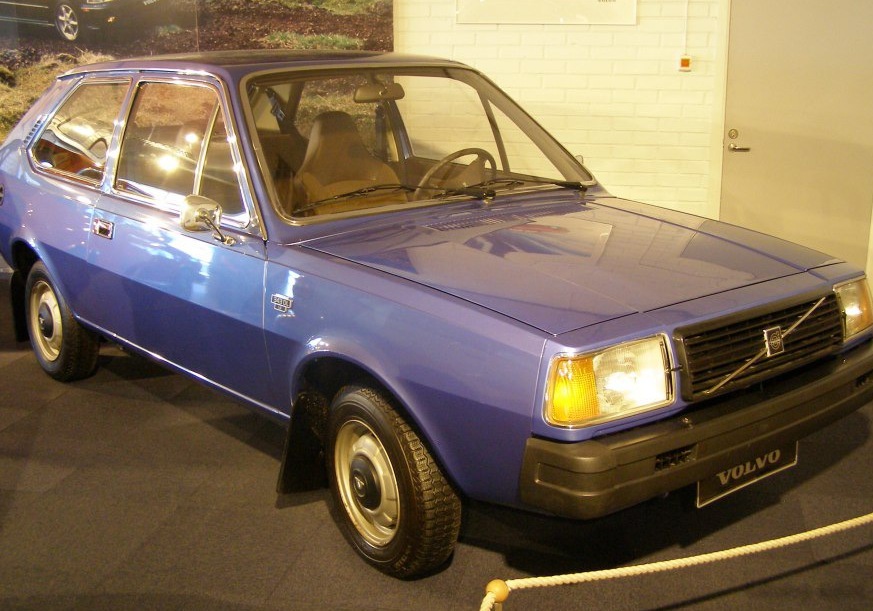
The Volvo 340 and 360 series, specifically the 343 and 345 models equipped with the 2.0-liter B200E engine producing 115 horsepower, represented Volvo’s entry into the compact hatchback market. Produced from 1985 to 1988, this variant occupied a middle ground within the 340/360 lineup, offering a balance between affordability and performance. It was a crucial model for Volvo as they sought to broaden their appeal beyond their traditionally larger, more luxurious offerings, particularly in Europe where the compact class was rapidly gaining popularity. This model was never officially sold in the United States.
Technical Specifications
| Brand | Volvo |
| Model | 340-360 (343, 345) |
| Generation | 340-360 (343, 345) |
| Type (Engine) | 2.0 (115 Hp) |
| Start of Production | 1985 |
| End of Production | 1988 |
| Powertrain Architecture | Internal Combustion Engine |
| Body Type | Hatchback |
| Fuel Type | Petrol (Gasoline) |
| Power | 115 Hp |
| Engine Model/Code | B200E |
| Engine Aspiration | Naturally Aspirated |
| Engine Oil Capacity | 4.5 l (4.76 US qt | 3.96 UK qt) |
| Coolant Capacity | 7 l (7.4 US qt | 6.16 UK qt) |
| Fuel Tank Capacity | 57 l (15.06 US gal | 12.54 UK gal) |
Powertrain & Engine Architecture
The heart of the 340/360 2.0 was the B200E engine, a 1,986 cc (121.1 cu in) inline-four cylinder. This engine was a descendant of Volvo’s long-running ‘Redblock’ family, known for its robustness and over-engineering. The B200E featured a cast iron block and an aluminum cylinder head. Fuel delivery was handled by Bosch mechanical fuel injection – a system chosen for its reliability and relative simplicity compared to emerging electronic fuel injection systems of the time. The engine utilized a single overhead camshaft (SOHC) valvetrain, operating two valves per cylinder. The 115 hp output was achieved at 6,000 rpm, with peak torque of 109 lb-ft (148 Nm) arriving at 3,500 rpm. This engine was typically paired with a four-speed automatic transmission, although a five-speed manual was also available. The automatic transmission, while providing ease of use, was not known for its particularly quick shifts or sporty feel.
Driving Characteristics
The 2.0-liter automatic 340/360 offered a comfortable, if not particularly exhilarating, driving experience. Acceleration was adequate for everyday driving, with a 0-60 mph time estimated around 11-12 seconds. The automatic transmission’s gear ratios were geared towards fuel efficiency and smooth cruising rather than outright performance. Compared to the more basic 1.4-liter versions, the 2.0 provided noticeably more power, making highway merging and overtaking significantly easier. However, it lacked the responsiveness of the manual transmission models or the higher-performance 360 GLT with its fuel-injected engine. The car’s front-wheel-drive layout provided predictable handling, but the relatively soft suspension setup prioritized ride comfort over sharp cornering. The automatic transmission did diminish the overall driving engagement compared to the manual options.
Equipment & Trim Levels
The 2.0-liter automatic variant typically fell into a mid-range trim level. Standard equipment included cloth upholstery, a basic stereo system, and manual windows and door locks. The interior was functional and durable, reflecting Volvo’s emphasis on practicality and safety. Optional extras included power windows, central locking, a sunroof, and upgraded stereo systems. The dashboard layout was straightforward, with clearly marked gauges and controls. The 345 estate (wagon) version of this trim offered increased practicality with its larger cargo area, making it a popular choice for families. Interior color schemes were typically subdued, with shades of grey and blue being common.
Chassis & Braking
The 340/360 series utilized a MacPherson strut front suspension and a twist-beam rear suspension. The suspension was tuned for comfort, providing a relatively smooth ride over uneven surfaces. Braking systems varied depending on the specific model and year. Earlier models often featured drum brakes on the rear wheels, while later models upgraded to disc brakes all around. Front brakes were typically ventilated discs. Power steering was not standard on all models, and many examples were equipped with manual steering. Stabilizer bars were fitted to both the front and rear axles to reduce body roll during cornering, although their effectiveness was limited by the soft suspension setup. The car’s relatively light weight helped to offset the limitations of the braking system.
Market Reception & Comparison
The 2.0-liter automatic 340/360 was generally well-received by automotive critics as a practical and reliable family car. It was praised for its safety features, comfortable ride, and fuel efficiency. However, it was often criticized for its somewhat bland styling and lack of sporting pretensions. Compared to the base 1.4-liter models, the 2.0 offered a significant performance improvement, justifying the higher price tag for many buyers. Against competitors like the Ford Escort, Opel Kadett (Astra), and Volkswagen Golf, the Volvo 340/360 stood out for its reputation for safety and durability. Fuel economy was respectable for the time, averaging around 25-30 mpg in mixed driving conditions. Reliability was generally good, although the Bosch fuel injection system could require occasional maintenance.
Legacy
The Volvo 340/360 series, including the 2.0-liter automatic variant, has developed a loyal following among classic car enthusiasts. The B200E engine is known for its longevity and relative simplicity, making it a relatively easy engine to maintain and repair. Parts availability remains reasonably good, although some components can be difficult to find. Today, these cars are appreciated for their retro charm, robust construction, and understated Swedish design. While not a performance icon, the 2.0-liter automatic 340/360 represents a solid and dependable example of 1980s automotive engineering. Well-maintained examples command a modest but growing value in the used car market, particularly among those seeking a classic Volvo with a comfortable and practical driving experience.
