
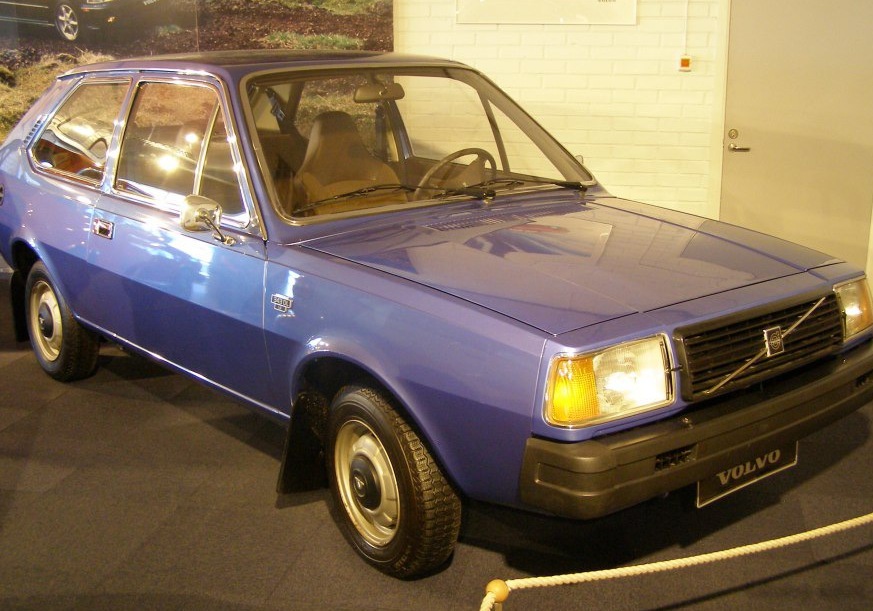
The Volvo 340 and 360 series, specifically the 343 and 345 models equipped with the 2.0-liter, 88 horsepower engine, represented Volvo’s entry into the compact hatchback market. Produced from 1980 to 1984, these vehicles were a significant departure from Volvo’s traditionally larger, more luxurious offerings. They were designed to appeal to a broader, more budget-conscious customer base, particularly in Europe, while still maintaining Volvo’s reputation for safety and durability. This variant occupied the lower-mid range of the 340/360 lineup, offering a balance between affordability and practicality. The 343 designation refers to the 3-door hatchback, while the 345 denotes the 5-door version.
Technical Specifications
| Brand | Volvo |
| Model | 340-360 (343, 345) |
| Generation | 340-360 (343, 345) |
| Type (Engine) | 2.0 (88 Hp) |
| Start of Production | 1980 |
| End of Production | 1984 |
| Powertrain Architecture | Internal Combustion Engine |
| Body Type | Hatchback |
| Fuel Type | Petrol (Gasoline) |
| Power | 88 Hp |
| Engine Aspiration | Naturally Aspirated |
| Engine Oil Capacity | 4.5 l (4.76 US qt | 3.96 UK qt) |
| Coolant Capacity | 7 l (7.4 US qt | 6.16 UK qt) |
Powertrain & Engine Architecture
The heart of the 343/345 2.0 was the B19A engine, a 1,986 cc (121.1 cu in) inline-four cylinder. This engine was a relatively simple design, featuring a cast iron block and an aluminum cylinder head. It utilized a single overhead camshaft (SOHC) valvetrain, operating two valves per cylinder. Fuel delivery was managed by a Bosch K-Jetronic mechanical fuel injection system, a technology common in European cars of the era. While not as sophisticated as later electronic fuel injection systems, K-Jetronic provided reliable and consistent fuel metering. The B19A produced 88 horsepower (66 kW) at 5,200 rpm and 109 lb-ft (148 Nm) of torque at 3,500 rpm. This engine was paired with a four-speed automatic transmission, offering a more convenient driving experience compared to the available five-speed manual. The automatic transmission was a Borg-Warner unit, known for its durability, though it wasn’t particularly known for its performance or fuel efficiency.
Driving Characteristics
The 2.0-liter, 88 hp engine with the automatic transmission delivered adequate, but not exhilarating, performance. Acceleration was leisurely, with a 0-60 mph time estimated around 13-14 seconds. The automatic transmission’s gear ratios were geared towards fuel economy and smooth cruising rather than rapid acceleration. Compared to the manual transmission versions, the automatic noticeably reduced responsiveness. The manual transmission offered a more engaging driving experience and slightly improved fuel economy. Compared to the later 360 GLT models with their more powerful engines, the 2.0 automatic felt significantly underpowered, especially when fully loaded or climbing hills. However, the automatic transmission made the 343/345 a comfortable and easy-to-drive daily commuter, particularly in urban environments. The suspension, while simple, provided a reasonably comfortable ride, absorbing bumps and imperfections in the road surface effectively.
Equipment & Trim Levels
The 343/345 2.0 automatic typically came with a fairly basic level of equipment. Standard features included cloth upholstery, a basic AM/FM radio, and manual windows and door locks. The interior was functional and durable, prioritizing practicality over luxury. Optional extras included a sunroof, upgraded stereo systems, and more comfortable seats. The dashboard layout was straightforward and easy to use, with clearly marked gauges and controls. The 345 (five-door) version offered increased practicality and passenger space compared to the 343 (three-door). Trim levels were relatively limited; the 2.0 automatic generally represented a mid-range offering, positioned above the base models but below the more luxurious GLT variants.
Chassis & Braking
The Volvo 340/360 series utilized a front-engine, rear-wheel-drive layout, a somewhat unusual configuration for a compact hatchback of the era. The chassis was a monocoque construction, providing a good balance of strength and weight. The front suspension consisted of MacPherson struts, while the rear suspension employed a solid axle with leaf springs. Braking was initially equipped with front disc brakes and rear drum brakes. Later models saw the introduction of rear disc brakes on some trims. The braking system was adequate for the vehicle’s weight and performance, but lacked the stopping power of more modern systems. Stabilizer bars were fitted to both the front and rear axles, helping to reduce body roll during cornering.
Market Reception & Comparison
The Volvo 340/360 2.0 automatic received mixed reviews. Critics praised its safety features, durability, and comfortable ride, but often criticized its lack of performance and somewhat dated styling. Compared to rivals like the Volkswagen Golf and Ford Escort, the Volvo offered a more robust and durable build quality, but lacked the refinement and driving dynamics of those competitors. Fuel economy was reasonable for the time, averaging around 25-30 mpg in mixed driving conditions. The automatic transmission, while convenient, negatively impacted fuel economy compared to the manual transmission. Reliability was generally good, although the K-Jetronic fuel injection system could require occasional maintenance. The 2.0 automatic appealed to buyers who prioritized safety, reliability, and practicality over sporty performance.
Legacy
The Volvo 340/360 series, including the 2.0 automatic variant, holds a nostalgic place in the hearts of many car enthusiasts. The B19A engine, while not a powerhouse, proved to be remarkably durable and long-lasting. The automatic transmission, though not particularly advanced, was generally reliable. Today, these cars are relatively rare and are becoming increasingly sought after by collectors and enthusiasts. Parts availability can be a challenge, but a dedicated community of Volvo enthusiasts continues to support the preservation of these classic vehicles. The 340/360 series represents a unique chapter in Volvo’s history, demonstrating the company’s willingness to experiment with new market segments while remaining true to its core values of safety and durability. Well-maintained examples of the 2.0 automatic can still provide reliable and enjoyable transportation, offering a glimpse into a bygone era of automotive engineering.
