
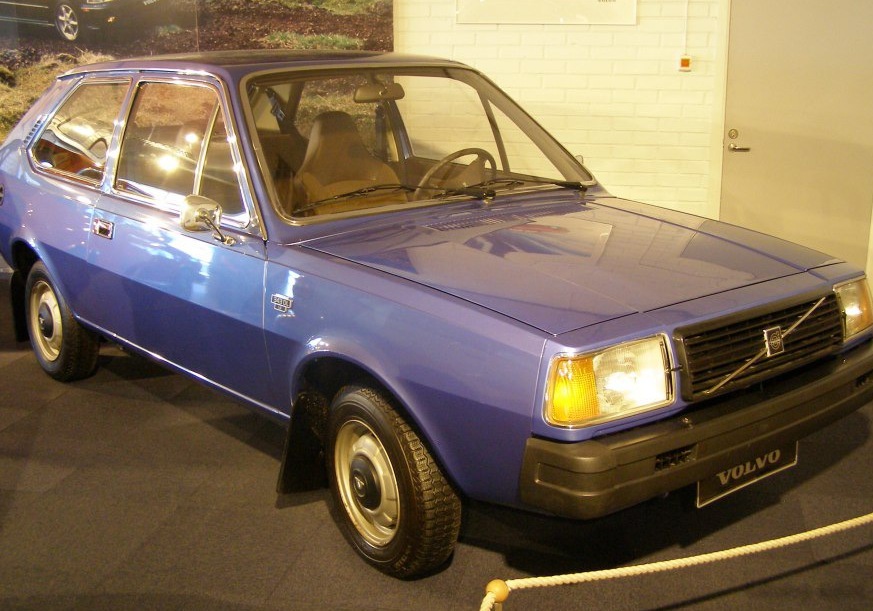
The Volvo 340 and 360 series, specifically the 343 and 345 models equipped with the 2.0-liter B19A engine producing 95 horsepower, represented Volvo’s entry into the compact hatchback market. Produced from 1981 through 1982 (with the series continuing in various forms until 1991), these models were a significant departure from Volvo’s traditionally larger, more luxurious offerings. The 340/360 series was intended to appeal to a broader, more budget-conscious customer base, particularly in Europe, while still maintaining Volvo’s reputation for safety and durability. This particular 2.0-liter variant served as a mid-range option, offering a step up in performance from the base 1.4-liter engine, but remaining more affordable than the later GLT models.
Technical Specifications
| Brand | Volvo |
| Model | 340-360 (343, 345) |
| Generation | 340-360 (343, 345) |
| Type (Engine) | 2.0 (95 Hp) |
| Start of Production | 1981 |
| End of Production | 1982 |
| Powertrain Architecture | Internal Combustion Engine |
| Body Type | Hatchback |
| Fuel Type | Petrol (Gasoline) |
| Power | 95 Hp |
| Engine Model/Code | B19A |
| Engine Aspiration | Naturally Aspirated |
| Engine Oil Capacity | 4.5 l (4.76 US qt | 3.96 UK qt) |
| Coolant Capacity | 7 l (7.4 US qt | 6.16 UK qt) |
| Fuel Tank Capacity | 57 l (15.06 US gal | 12.54 UK gal) |
Powertrain & Engine Architecture
The heart of the 343/345 2.0 was the B19A engine, a 1,986 cc (121.1 cu in) inline-four cylinder. This engine was a relatively simple design, featuring a cast iron block and an aluminum cylinder head. It utilized a single overhead camshaft (SOHC) valvetrain, operating two valves per cylinder. Fuel delivery was managed by a Bosch mechanical fuel injection system, a common setup for the era, providing a balance between efficiency and performance. The B19A produced 95 horsepower at 5,200 rpm and 103 lb-ft of torque at 3,500 rpm. This engine was paired with either a four-speed manual transmission or a three-speed automatic transmission. The automatic transmission, while offering convenience, was a key differentiator in the driving experience, as discussed later.
Driving Characteristics
The 2.0-liter engine with the three-speed automatic transmission provided adequate, though not exhilarating, performance. Acceleration from 0 to 60 mph was estimated to be around 12-13 seconds. The automatic transmission’s gear ratios were geared towards fuel economy and smooth cruising rather than sporty acceleration. Compared to the available four-speed manual, the automatic resulted in a noticeable decrease in responsiveness and a slight reduction in fuel efficiency. The automatic’s shift points were relatively conservative, prioritizing comfort over maximizing engine power. The car felt most comfortable at highway speeds, where the engine could operate within its optimal torque band. Drivers seeking a more engaging driving experience generally preferred the manual transmission, while the automatic appealed to those prioritizing ease of use.
Equipment & Trim Levels
The 343 and 345 2.0 models were positioned as a step up from the base 340 DL. Standard equipment included cloth upholstery, a basic AM/FM radio, and heated rear window. The interior was functional and durable, reflecting Volvo’s emphasis on practicality. Optional extras included a sunroof, upgraded stereo systems, and more comfortable seating. The 345, being the five-door variant, offered increased practicality and accessibility compared to the three-door 343. Trim levels were relatively simple; the 2.0 models generally fell between the base DL and the more luxurious GLT in terms of features and appointments. The dashboard layout was straightforward, with clearly marked gauges and easy-to-use controls.
Chassis & Braking
The Volvo 340/360 series utilized a front-engine, rear-wheel-drive layout, a somewhat unusual configuration for a compact hatchback of the era. The suspension consisted of independent front suspension with MacPherson struts and a solid rear axle with leaf springs. This setup provided a comfortable ride, but handling was not particularly sharp. Braking was initially equipped with front disc brakes and rear drum brakes on the 343. The 345 models, and later revisions of the 343, often received rear disc brakes as standard equipment, improving stopping performance. Stabilizer bars were fitted to both the front and rear axles, helping to reduce body roll during cornering. The overall chassis design prioritized safety and durability over outright performance.
Market Reception & Comparison
The 340/360 series, including the 2.0-liter automatic variant, received generally positive reviews for its safety, build quality, and fuel efficiency. Critics praised Volvo’s commitment to safety features, even in its entry-level models. However, the automatic transmission was often criticized for its sluggish performance and dated design. Compared to other compact hatchbacks of the time, such as the Volkswagen Golf or Ford Escort, the Volvo 340/360 offered a more robust and durable feel, but lacked the same level of driving refinement. Fuel economy was respectable for the era, averaging around 25-30 mpg in mixed driving conditions. The 2.0-liter automatic was often seen as a compromise – offering more power than the base 1.4-liter, but sacrificing some performance compared to the manual transmission or the later 2.1-liter GLT models.
Legacy
The Volvo 340/360 series, while not a commercial blockbuster, established Volvo as a player in the compact car market. The B19A engine, while relatively simple, proved to be remarkably durable and reliable. Today, well-maintained examples of the 343/345 2.0 are sought after by enthusiasts and classic car collectors. The automatic transmission, while not highly regarded for performance, is generally reliable if properly maintained. Parts availability can be a challenge, but a dedicated community of Volvo enthusiasts helps to keep these cars on the road. The 340/360 series represents a unique chapter in Volvo’s history, showcasing the company’s commitment to safety and durability in a smaller, more affordable package. The 2.0-liter automatic variant, while not the most exciting version, remains a viable and enjoyable classic car for those seeking a reliable and distinctive vehicle.
