
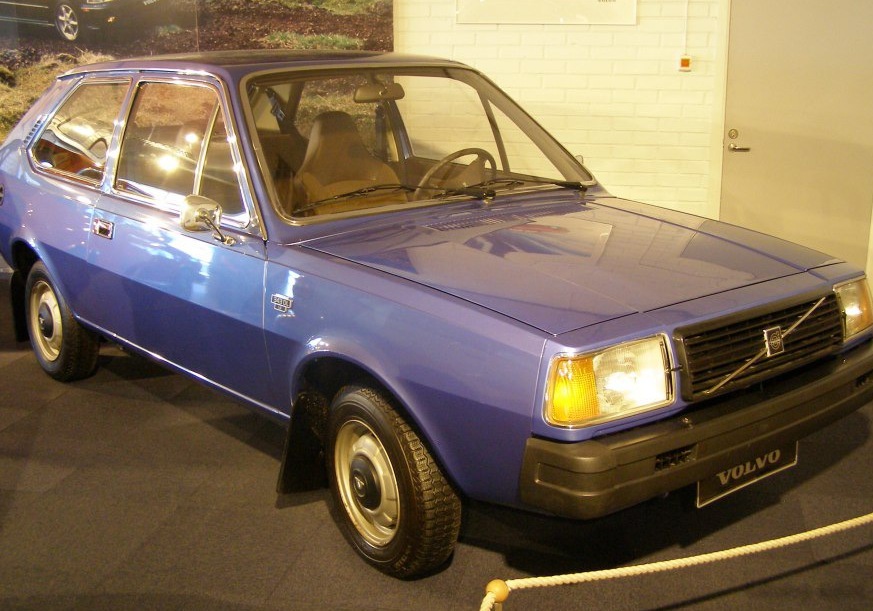
The Volvo 340 and 360 series, specifically the 343 and 345 models equipped with the 2.1-liter engine producing 122 horsepower, represented a significant departure for the Swedish automaker. Introduced in 1976 and continuing through 1991, these compact hatchbacks were Volvo’s first front-wheel-drive vehicles, marking a shift away from their traditionally rear-wheel-drive layout. Production of the 2.1-liter variant spanned from 1981 to 1982, serving as a mid-range offering within the 340/360 lineup. These models were designed to appeal to a broader, more budget-conscious market while still upholding Volvo’s reputation for safety and durability. The 343 designation refers to the three-door hatchback, while the 345 denotes the five-door version.
Technical Specifications
| Brand | Volvo |
| Model | 340-360 (343, 345) |
| Generation | 340-360 (343, 345) |
| Type (Engine) | 2.1 (122 Hp) |
| Start of Production | 1981 |
| End of Production | 1982 |
| Powertrain Architecture | Internal Combustion Engine |
| Body Type | Hatchback |
| Fuel Type | Petrol (Gasoline) |
| Power | 122 Hp |
| Engine Aspiration | Naturally Aspirated |
Powertrain & Engine Architecture
The 2.1-liter, inline-four cylinder engine (designated B21A) powering the 343/345 was a robust and relatively simple design. It featured a cast iron block and an aluminum cylinder head, a common configuration for Volvo engines of the era. The engine utilized a Bosch K-Jetronic mechanical fuel injection system, known for its reliability and consistent fuel delivery, though it could be less efficient than later electronic fuel injection systems. The valvetrain employed an overhead camshaft (OHC) design, operating two valves per cylinder. While not a particularly high-revving engine, the B21A produced a respectable 122 horsepower at approximately 5,800 rpm and 119 lb-ft of torque at 3,500 rpm. The engine was typically paired with either a four-speed manual transmission or a three-speed automatic transmission. The automatic transmission, while providing ease of use, was a point of criticism for some drivers due to its relatively slow shift times and tendency to hunt for gears, especially under load. The engine’s design prioritized durability and low-end torque over outright performance.
Driving Characteristics
The 122 hp 2.1-liter engine in the 343/345 provided adequate, but not exhilarating, performance. Acceleration from 0 to 60 mph took around 11-12 seconds, making it competitive with other compact cars of the time, but noticeably slower than the more powerful 360 GLT models. The automatic transmission further impacted acceleration, adding a slight delay to gear changes. The car’s front-wheel-drive layout contributed to predictable handling, although it lacked the agility of rear-wheel-drive counterparts. The suspension, consisting of MacPherson struts in the front and a twist-beam axle in the rear, provided a comfortable ride, absorbing bumps and imperfections in the road reasonably well. The steering was relatively light, making it easy to maneuver in urban environments. Compared to the manual transmission versions, the automatic offered a smoother, more relaxed driving experience, particularly in city traffic. However, drivers seeking a more engaging driving experience generally preferred the manual gearbox.
Equipment & Trim Levels
The 343/345 2.1-liter models occupied a middle ground in the Volvo lineup. They were generally better equipped than the base 340 DL but lacked some of the luxury features found in the higher-end 360 GLT. Standard equipment typically included cloth upholstery, a basic AM/FM radio, and heated rear window. Optional extras included a sunroof, upgraded stereo systems, and power windows. Interior trim was functional and durable, reflecting Volvo’s emphasis on practicality. The dashboard layout was straightforward, with clearly labeled controls. The 345, with its five-door configuration, offered greater practicality and easier access to the rear seats compared to the three-door 343. The 2.1-liter trim was aimed at buyers who wanted a safe, reliable, and reasonably well-equipped compact car without the higher price tag of the GLT.
Chassis & Braking
The Volvo 340/360 series utilized a unibody construction, providing a good balance of strength and weight. The front suspension featured MacPherson struts with stabilizer bar, while the rear suspension employed a twist-beam axle. Braking systems varied depending on the year and market. Early models often featured drum brakes on the rear wheels, while later models and some export markets received disc brakes all around. The braking system was generally considered adequate for the car’s weight and performance. Steering was rack-and-pinion, providing precise control. The car’s relatively modest weight (around 2,200-2,400 lbs) contributed to its manageable handling characteristics. The chassis design prioritized safety, with reinforced body structures and crumple zones to absorb impact energy in the event of a collision.
Market Reception & Comparison
The Volvo 340/360 series, including the 2.1-liter variant, received generally positive reviews from automotive critics. They were praised for their safety, durability, and comfortable ride. However, the automatic transmission was often criticized for its sluggish performance. Compared to other compact cars of the era, such as the Volkswagen Golf and Ford Escort, the Volvo offered a more refined interior and a stronger emphasis on safety. The 2.1-liter engine provided reasonable fuel economy, averaging around 25-30 mpg in mixed driving conditions. The 360 GLT, with its more powerful engine, offered significantly better performance but came at a higher price. The base 340 DL was more affordable but lacked some of the features and refinement of the 2.1-liter model. The 2.1-liter automatic struck a balance between price, performance, and features, appealing to a wide range of buyers.
Legacy
The Volvo 340/360 series, while not as iconic as some of Volvo’s other models, played a crucial role in the company’s history. It was Volvo’s first foray into front-wheel drive, paving the way for future models. The B21A engine proved to be remarkably durable, with many examples still running today. The 340/360 series developed a reputation for reliability and longevity, making them popular choices in the used car market. While parts availability can be a challenge due to the car’s age, a dedicated community of enthusiasts continues to support and maintain these vehicles. The 2.1-liter automatic variant, while not the most sought-after version, remains a viable and affordable option for those seeking a classic Volvo with a comfortable and easy-to-drive powertrain. Its enduring appeal lies in its simplicity, durability, and the inherent safety that has always been a hallmark of the Volvo brand.
