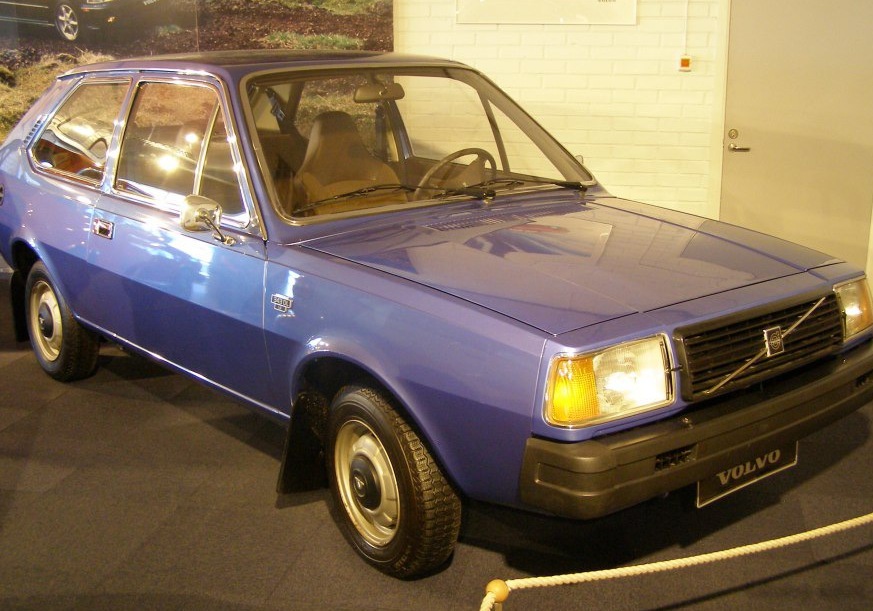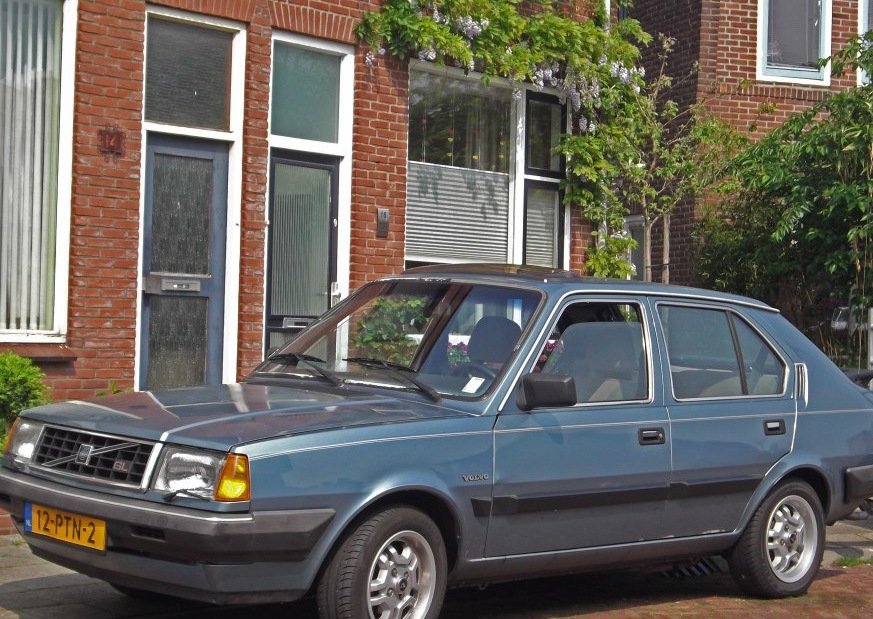
The Volvo 340 and 360 series, specifically the 344 model with the 1.4-liter engine producing 68 horsepower, represented Volvo’s entry into the compact hatchback market. Produced from 1986 to 1988, this variant occupied the base trim level within the 340/360 range, offering a more affordable and fuel-efficient option compared to the higher-specification models. It was a key part of Volvo’s strategy to appeal to a broader customer base, particularly in Europe where smaller, economical cars were highly sought after. The 340/360 series as a whole was a significant departure for Volvo, traditionally known for larger, more luxurious vehicles.
Technical Specifications
| Brand | Volvo |
| Model | 340-360 |
| Generation | 340-360 (344) |
| Type (Engine) | 1.4 (68 Hp) |
| Start of production | 1986 |
| End of production | 1988 |
| Powertrain Architecture | Internal Combustion engine |
| Body type | Hatchback |
| Seats | 5 |
| Doors | 5 |
| Fuel Type | Petrol (Gasoline) |
| Power | 68 Hp |
| Engine Model/Code | B14.4S |
| Engine aspiration | Naturally aspirated engine |
| Engine oil capacity | 4 l (4.23 US qt | 3.52 UK qt) |
| Coolant capacity | 6.5 l (6.87 US qt | 5.72 UK qt) |
| Fuel tank capacity | 45 l (11.89 US gal | 9.9 UK gal) |
| Length | 4320 mm (170.08 in) |
| Width | 1660 mm (65.35 in) |
| Height | 1392 mm (54.8 in) |
Powertrain & Engine Architecture
The heart of the 344 1.4 was the B14.4S engine, a 1.4-liter inline-four cylinder powerplant. This engine was a relatively simple design, featuring a single overhead camshaft (SOHC) and a two-barrel carburetor. The ‘S’ designation indicated a slightly modified version of the B14 engine, optimized for emissions and fuel economy. The engine utilized a cast iron block and an aluminum cylinder head, a common construction for the era. Fuel delivery was managed by a Zenith-Stromberg carburetor, a system known for its relative simplicity but less precise fuel metering compared to later fuel injection systems. The engine’s valvetrain employed pushrods and rocker arms to actuate the valves. This configuration was chosen for its cost-effectiveness and ease of maintenance. The 68 horsepower was delivered at approximately 6000 rpm, with peak torque of around 88 lb-ft at 3000 rpm. The engine was typically paired with a four-speed automatic transmission, although a five-speed manual was also available on other 340/360 variants. The automatic transmission was a conventional hydraulic unit, offering smooth but not particularly quick shifts.
Driving Characteristics
The 344 1.4 with the automatic transmission was not designed for performance. Acceleration was modest, taking approximately 14-15 seconds to reach 60 mph. The automatic transmission’s gear ratios were geared towards fuel efficiency rather than spirited driving. The car felt most comfortable at cruising speeds on the highway, where the engine operated relatively quietly. Compared to the more powerful 340 GL models with larger engines and manual transmissions, the 1.4 automatic felt significantly slower and less engaging. However, the automatic transmission made it a more accessible and user-friendly option for drivers who preferred convenience over performance. The steering was light and easy, making it well-suited for city driving. The suspension, while not particularly sophisticated, provided a reasonably comfortable ride, absorbing bumps and imperfections in the road surface adequately.
Equipment & Trim Levels
The 344 1.4 represented the base level of the 340/360 range. Standard equipment included cloth upholstery, basic instrumentation (speedometer, fuel gauge, temperature gauge), and a two-spoke steering wheel. The interior was functional and durable, but lacked the refinement of higher-trim models. Optional extras included a radio, upgraded upholstery, and a sunroof. The exterior featured steel wheels with hubcaps, black plastic bumpers, and relatively simple trim. The 344 1.4 was deliberately positioned as a no-frills, affordable option, focusing on practicality and reliability. It was often chosen by buyers who prioritized economy and ease of use over luxury features.
Chassis & Braking
The 340/360 series utilized a front-wheel-drive layout with a MacPherson strut front suspension and a solid axle rear suspension. The 344 1.4 featured drum brakes on the rear wheels and disc brakes on the front, a common configuration for cars in this price range during the 1980s. The braking system was adequate for everyday driving, but lacked the stopping power of more advanced systems found on higher-performance vehicles. The chassis was relatively lightweight, contributing to the car’s fuel efficiency. A stabilizer bar was fitted to the front suspension to reduce body roll during cornering, but the handling was generally considered to be safe and predictable rather than sporty.
Market Reception & Comparison
The 344 1.4 was generally well-received as an economical and reliable small car. Critics praised its fuel efficiency and practicality, but noted its lack of performance. Compared to other cars in its class, such as the Ford Escort and Opel Kadett, the Volvo 340 offered a reputation for safety and durability. However, it was often more expensive than its competitors. The 1.4 automatic variant was often seen as a compromise, offering convenience but sacrificing performance. The higher-specification 340 GL models with larger engines and manual transmissions were generally preferred by drivers who valued driving enjoyment. Fuel economy for the 1.4 automatic was around 28-32 mpg, depending on driving conditions.
Legacy
The Volvo 340/360 series, including the 344 1.4, is remembered for its robust construction and long-term reliability. The B14.4S engine, while not particularly powerful, proved to be durable and relatively easy to maintain. Today, these cars are becoming increasingly sought after by classic car enthusiasts, particularly those who appreciate their simplicity and practicality. Parts availability can be a challenge, but many components are still available through specialist suppliers. The 344 1.4 automatic, while not the most desirable variant, remains a viable and affordable entry point into the world of classic Volvo ownership. Its enduring appeal lies in its honest design, reliable powertrain, and the enduring reputation of the Volvo brand for safety and durability.